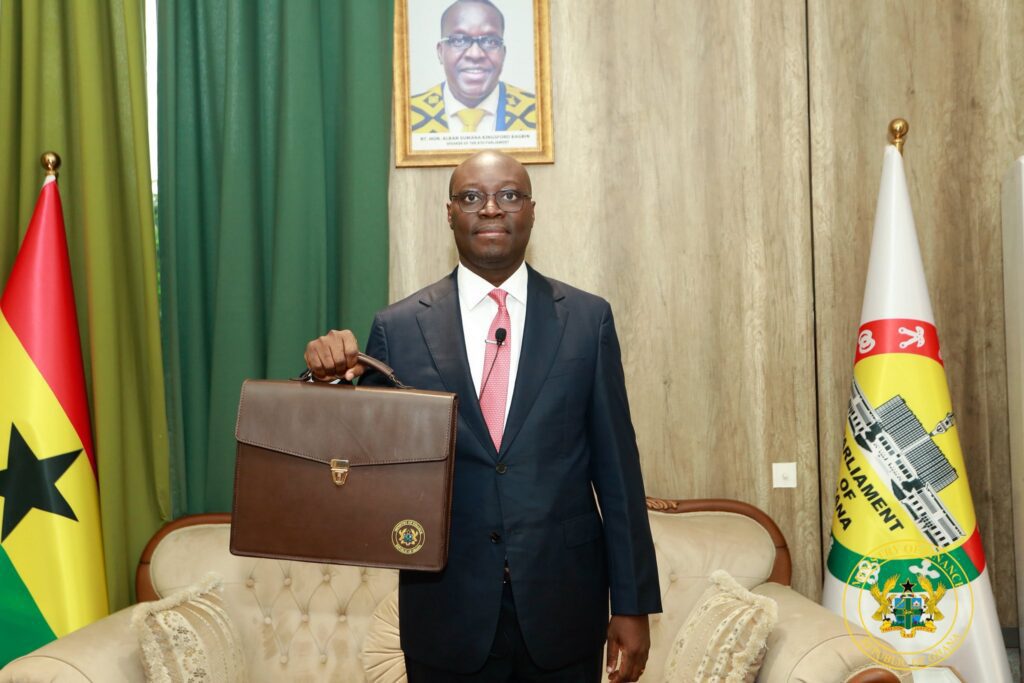
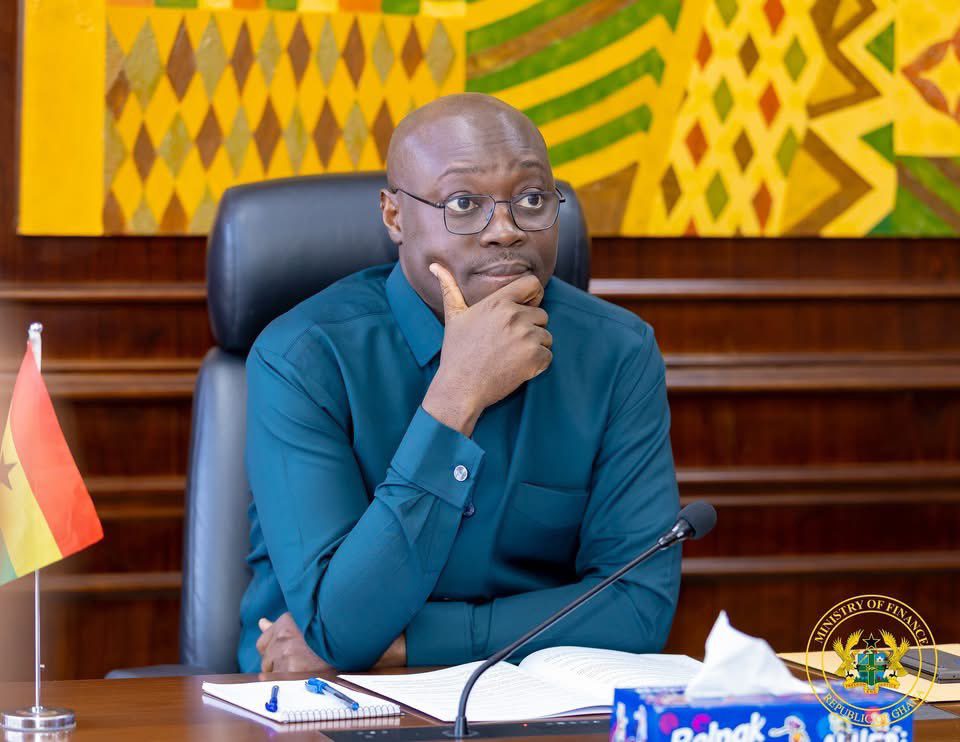
During the presentation of the 2026 Mid-Year Budget Review to Parliament, Finance Minister Dr Cassiel Ato Forson declared that Ghana should never return to the economic distress that led the country into an International Monetary Fund programme. This is a statement grounded in the government’s belief that the economy is recovering and that fiscal discipline must prevent a repeat of past mistakes.
On this point, he deserves support. A nation that has endured painful economic adjustment cannot afford to recreate the conditions that once pushed it into crisis.
Recovery Must Reach Beyond the Economy
If Ghana has truly left the emergency room, the evidence should be visible beyond macroeconomic indicators. Recovery should also be measured by the everyday experiences of citizens.
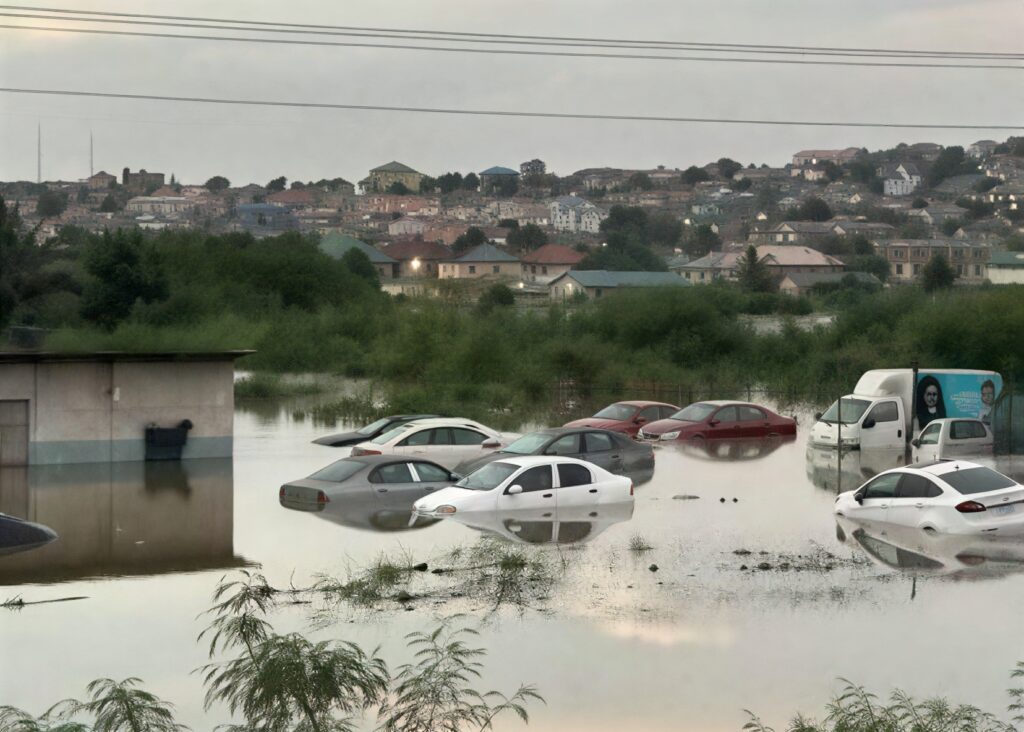
Emergency is families watching floodwaters destroy their homes; hospitals struggling with inadequate staffing; classrooms without enough teachers and communities witnessing rivers & forests disappear because of illegal mining.
The June 29 disaster affected seven regions, claimed 13 lives and left several others missing. Heavy rainfall, overflowing rivers and poor drainage displaced families and disrupted livelihoods across parts of the country.
Climate change may intensify rainfall, but human choices often determine the scale of destruction. Blocked drains, unregulated construction, poor waste management and weak enforcement of planning laws transform heavy rain into national emergencies. Ghana’s response cannot end with relief efforts after disaster strikes. It must begin with prevention. The same principle applies to education.
Education Minister Haruna Iddrisu has acknowledged persistent staffing and welfare challenges while outlining plans for teacher accommodation, rural posting incentives and professional development. These initiatives are encouraging, but programmes alone are not proof of progress.
Parents experience recovery when qualified teachers remain in classrooms, when schools are adequately resourced and when children in remote communities receive opportunities comparable to those available in urban centres. Until these conditions become the norm, the education sector still faces its own emergency.
Healthcare tells a similar story. Government has announced investments in primary healthcare, medical recruitment and pharmaceutical development, all of which are necessary. Nonetheless, can patients receive timely care? Are hospitals equipped to provide essential treatment? Can health workers perform their duties without being overwhelmed?
Accountability Cannot Be Selective
Dr Forson’s declaration should therefore invite accountability as much as celebration. If Ghana is determined never to return to the emergency room, then it must build institutions capable of preventing the crises that repeatedly push citizens into distress.
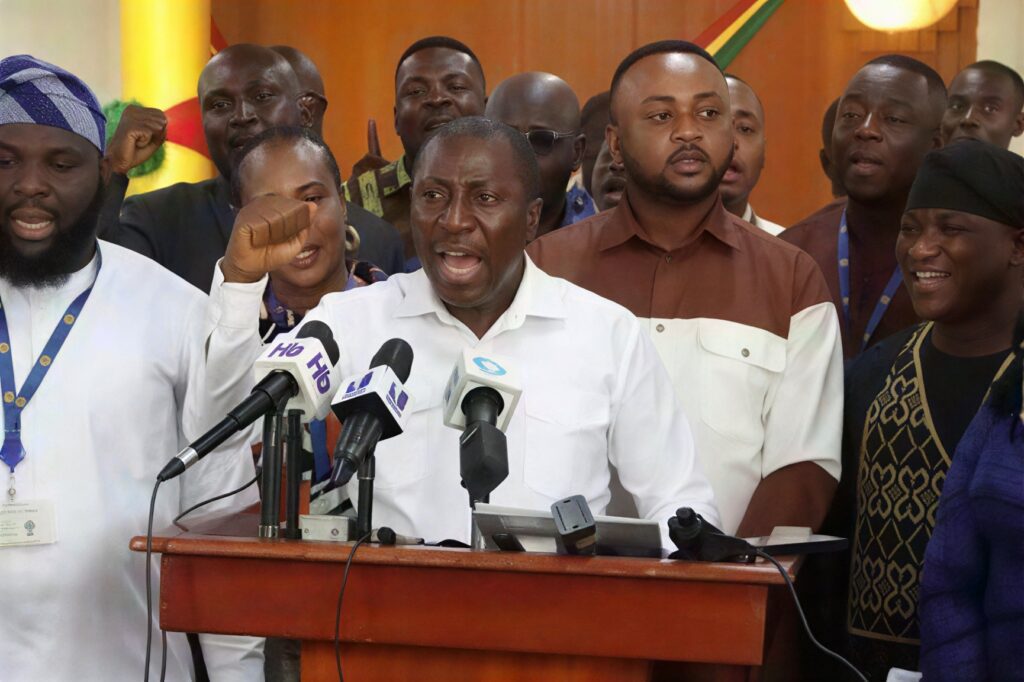
The opposition has an obligation to scrutinise policy and test official claims, just as government has a duty to defend its record. Democratic accountability is strongest when criticism is grounded in evidence. The public should neither accept every government claim without question nor reject every positive development because it comes from political opponents. Serious debate requires a careful examination of both the numbers and the experiences behind them.
The same standard should apply to the prosecution of Bernard Antwi Boasiako, popularly known as Chairman Wontumi. Following his conviction over illegal mining offences, the New Patriotic Party rejected the judgment and vowed to challenge it, while civil society organisations welcomed the ruling as a significant step in combating galamsey. The legal issues will ultimately be settled by the courts.
However, can Ghana convincingly fight illegal mining if enforcement appears uneven? Public confidence depends on convictions of criminals and also on whether the law is applied fairly, regardless of political affiliation. A country cannot wage a selective battle against galamsey and expect citizens to believe that justice is impartial.
The Emergency Room Is Bigger Than the Economy
Ghana’s economic crisis was not created overnight, nor was it the responsibility of one administration alone. Years of borrowing, fiscal pressure, weak controls and political decisions gradually produced the conditions that forced the country into an IMF programme. Every government therefore shares responsibility for ensuring history does not repeat itself.
This is why it would be myopic to define recovery solely through inflation, GDP growth, debt levels and foreign reserves.
For the mother whose home has been washed away by floods, the emergency has not ended. For the child sitting in a classroom without a desk, recovery feels distant. For the patient waiting hours for medical attention or the community whose river has been destroyed by illegal mining, the crisis is palpably immediate.
I must say, Dr Forson is right to warn against fiscal indiscipline. Ghana should never again reach the point where an IMF programme becomes its only lifeline. But economic discipline should strengthen public services, improve disaster preparedness, protect the environment and foster institutions that inspire public confidence. It should also cultivate a political culture where accountability is viewed as a democratic necessity.
Citizens have heard countless promises; what they now seek is demonstrable progress. Across the country, particularly among young people, there is a renewed willingness to engage in public affairs at the expense of social media.
More young Ghanaians are voting, questioning policy, participating in civic conversations and demanding accountability from those who govern them. This growing political consciousness should not be dismissed as cynicism. The current generation demands answers.
So, when Dr Cassiel Ato Forson declares that Ghana will never return to the emergency room again, the country should welcome the optimism and also push for recovery.
Are we building a Ghana capable of withstanding the next economic shock, the next flood, the next public health crisis, the next education challenge and the next test of democratic accountability?
Or are we simply celebrating the patient’s discharge without making sure the underlying illness has truly been cured?
READ ALSO: Stop Branding Every Prosecution Political Witch Hunt, Campaigner Tells Minority