The Minority Caucus on Parliament’s Health Committee has accused government of underfunding Ghana’s health sector, warning that reduced spending is weakening healthcare delivery, stalling disease prevention efforts, and threatening the country’s broader development prospects.
Speaking on an interview, Abuakwa South MP Dr. Kingsley Agyemang said the funding shortfalls have hit disease prevention, public health education and the management of non-communicable diseases particularly hard, while also raising alarm over delays in the payment of Nursing Training Allowances.
His remarks add fresh weight to growing scrutiny of government’s health financing decisions as lawmakers continue to pick apart the mid-year figures presented to Parliament.
Dr. Agyemang opened his remarks with a stark warning about what he described as the existential stakes of underfunding health care, framing the issue as one that goes beyond budget lines to the very foundation of nationhood.
“The implication of not spending in the health sector means that we can’t have health care, and when you don’t have health care, you don’t have a nation, because people drive value. You can’t underestimate the quality of your people.”
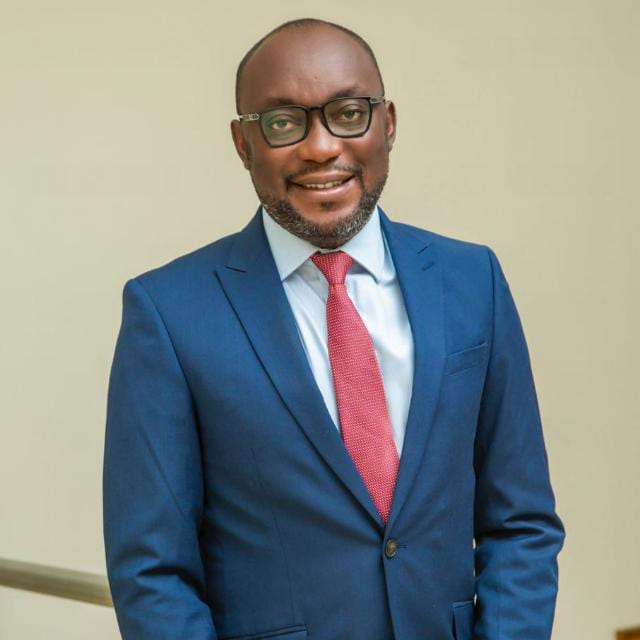
Abuakwa South MP Dr. Kingsley Agyemang
He argued that a healthy population represents the best standard by which any nation can measure its development prospects, insisting that government cannot expect economic growth to translate into national progress if the underlying health of citizens is neglected.
For Dr. Agyemang, the connection between fiscal discipline and public wellbeing was not abstract but immediate, with every cedi withheld from the health budget carrying direct consequences for ordinary Ghanaians.
HIV and Public Health Promotion Cited as Casualties
Turning to specific consequences of reduced health spending, Dr. Agyemang pointed to a resurgence in HIV cases, which he linked directly to weakened access to condoms and a decline in public promotion of HIV-related health messaging.
He argued that prevention campaigns, once a visible feature of national public health communication, had quietly faded from view in recent years, coinciding with funding cuts to the very programmes meant to sustain them.
He extended this concern to broader public health advertising, questioning when Ghanaians last saw a health promotion advertisement on television or radio, and suggesting that government has largely stepped back from proactive health communication in recent times.
According to him, this retreat from visible public education campaigns represents a quiet but consequential failure, one that rarely makes headlines but steadily erodes the gains made in earlier disease prevention efforts.
Dr. Agyemang also raised concerns over the growing burden of non-communicable diseases, citing figures showing that one out of every two deaths in the country is now linked to conditions such as cancer, diabetes and hypertension.
He attributed this trend directly to reduced government spending on prevention and public health education, arguing that without sustained investment in awareness campaigns and early detection, the burden of these largely preventable conditions would only continue to grow.
He noted that many of these deaths could be avoided altogether with earlier diagnosis and consistent public education, framing the rising mortality figures as a direct and measurable cost of government’s current spending priorities rather than an inevitable public health trend.
Compensation the Only Budget Line Fully Funded
The MP was particularly critical of what he characterised as government’s narrow prioritisation within the health budget, noting that compensation for health workers appears to be the only area consistently funded, largely because salaries cannot be withheld. He said this had come at the expense of other critical funding lines, including allowances for trainee health professionals.
He disclosed that disbursement for Nursing Training Allowances had reached only about 30 percent of what was required, casting doubt on whether the allowances could be paid in full by the end of the year given the pace of releases so far.
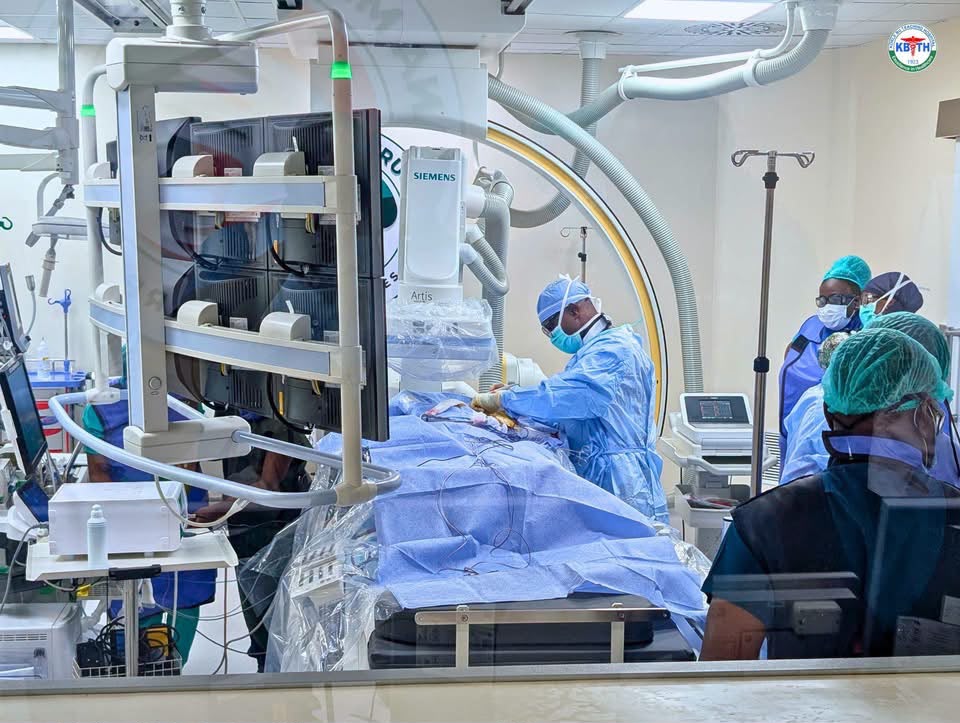
He raised similar concerns about medical claims under the National Health Insurance Scheme, noting that these too had seen only about 30 percent disbursement, leaving no guarantee that outstanding claims would be settled before the year runs out.
Uncapping Without Corresponding Disbursement
Dr. Agyemang questioned the practical value of earlier decisions to uncap certain health-related funding allocations if actual disbursement continued to lag far behind approved budget ceilings. He argued that a cap remains merely a principle written into the national budget appropriation until the funds are actually released and spent, insisting that utilisation, not allocation on paper, is what ultimately determines whether health services function on the ground.
Closing his remarks, Dr. Agyemang issued a direct appeal to the Finance Ministry to prioritise the release of funds for health care, framing the matter as one of urgent national interest rather than routine budgetary negotiation.
“The Finance Minister must find a way to release money for health care. We can’t say anything beyond that. You must release funds for health care because you don’t know where you too can be, circumstanced.”
Abuakwa South MP Dr. Kingsley Agyemang

His remarks add to a broader debate unfolding around the 2026 Mid-Year Budget Review, with Minority lawmakers continuing to press government over spending patterns across critical social sectors, even as the Finance Ministry maintains that overall fiscal consolidation efforts remain on track. Government has not yet issued a formal response to the specific claims raised by Dr.
Agyemang regarding disbursement rates for the National Health Insurance Scheme and Nursing Training Allowances, leaving the concerns he raised unaddressed for now as debate on the budget review continues in Parliament.
READ MORE: Okyeame Kwame Appointed Ambassador for GHS Fight Against Hepatitis