The Ministry of Education has moved to clarify its language of instruction policy for basic schools, confirming that Ghanaian languages will serve as the primary medium of instruction from Kindergarten to Primary Three, following public discussions and misconceptions over the use of local and foreign languages in the country’s education system.
The Ministry of Education addressed growing public confusion around the proposed revised curriculum, moving to correct what it described as widespread misinformation regarding the role of foreign languages such as French, Arabic and Chinese in basic education.
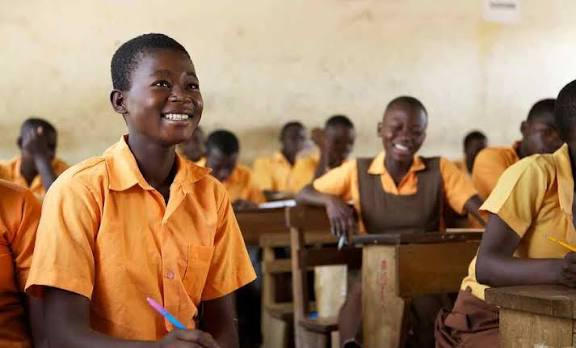
The Ministry was explicit that under the proposed revised curriculum, Ghanaian languages will form the foundation of classroom instruction during a child’s earliest years of schooling, a decision it says is grounded in established educational research on how young children learn most effectively.
“In the proposed revised curriculum, Ghanaian languages will serve as the primary medium of instruction from Kindergarten (KG) to Primary Three. This policy is intended to strengthen children’s foundational literacy, numeracy, critical thinking, and overall cognitive development by enabling them to learn in a language they understand best during their formative years.”
Ministry of Education
This approach reflects a deliberate emphasis on ensuring that young learners build core academic skills in a language they already understand, rather than being expected to grasp foundational concepts through an unfamiliar language from the very start of their education.
Bilingual Transition from Primary Four
According to the Minister, the policy does not confine Ghanaian languages to the earliest years alone but incorporates a structured transition designed to ease learners into English-medium instruction as they progress through the basic education system.
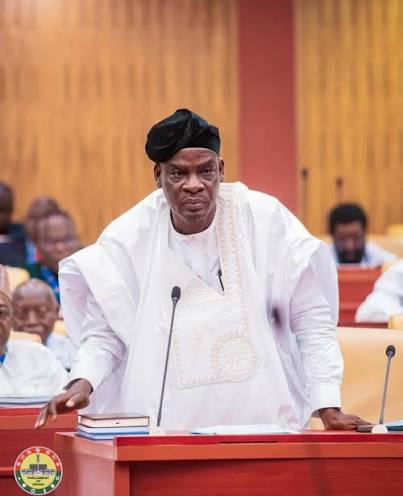
This phased bilingual model suggests the Ministry of education is attempting to balance two priorities simultaneously, strengthening early literacy through familiar local languages while still preparing pupils for the English-dominant instruction they will encounter in later stages of their education.
Addressing what appears to be one of the central sources of public confusion, Hon. Haruna firmly stated that foreign languages have not been made mandatory subjects under the revised curriculum, despite claims circulating to the contrary.
“Foreign languages such as French, Arabic, and Chinese among others are not compulsory subjects. They will be offered as optional languages for pupils who wish to acquire additional language skills, subject to the availability of qualified teachers and learning resources in their respective schools.
Ministry of Education
By tying the availability of these optional languages to the presence of qualified teachers and adequate learning resources, the Ministry signalled that the rollout of foreign language options is likely to vary from school to school, depending on each institution’s specific staffing and resource capacity.
Policy Grounded in International Best Practice
The Ministry of education situated its language policy decisions within a broader framework of internationally recognised educational research, arguing that the approach reflects proven pedagogical principles rather than an arbitrary departure from previous practice.
This framing positions the policy not simply as a curriculum adjustment, but as part of a broader national commitment to safeguarding Ghana’s linguistic diversity while simultaneously working to improve literacy outcomes among the country’s youngest learners.
Perhaps most pointedly, the Ministry used the release to directly appeal to parents, teachers, school authorities and media organisations to help correct the spread of inaccurate claims about the policy, particularly the suggestion that foreign languages had become compulsory under the new curriculum.
This direct call-out of media organisations alongside parents and educators suggests the Ministry views inaccurate reporting or social media speculation as having played a meaningful role in fuelling the public confusion the release seeks to achieve.
Broader Commitment to Evidence-Based Reform
Closing its statement, the Ministry reaffirmed its broader commitment to pursuing education policies grounded in evidence rather than public pressure or speculation, framing the language policy clarification as part of a larger effort to strengthen learning outcomes across Ghana’s basic education system.
“The Ministry remains committed to implementing evidence-based education policies that improve learning outcomes and equip every Ghanaian child with the knowledge, skills, and competencies needed to thrive in an increasingly interconnected world.”
Ministry of Education

With the Ministry’s position now clearly outlined, schools across the country are expected to align their instructional practices with the phased language approach set out in the revised curriculum, using Ghanaian languages as the primary medium through Primary Three before gradually introducing English as a co-medium of instruction from Primary Four onward.
Whether the Ministry’s clarification succeeds in fully addressing public misconceptions, this may depend on how effectively parents, educators and media outlets absorb and communicate the distinction between the policy’s core language requirements and the optional nature of foreign language instruction.
READ MORE: Coalition of Graduates With Disabilities Give Government Ultimatum Over GES Recruitment