Policy analyst and Co-Chair of the Ghana Extractive Industries Transparency Initiative (GHEITI), Dr. Emmanuel Steve Asare Manteaw, has proposed converting Ghana’s existing 10 percent free carried interest in mining concessions into direct equity participation.
Addressing the ongoing discourse around local capacity in the extractive industry, Dr. Manteaw emphasized that achieving meaningful national participation requires a deliberate, long-term national strategy rather than quick fixes or radical policy shifts.
He noted that simply refusing to renew the licenses of foreign mining companies to hand them over to Ghanaian operators is not a sustainable model for resource governance.
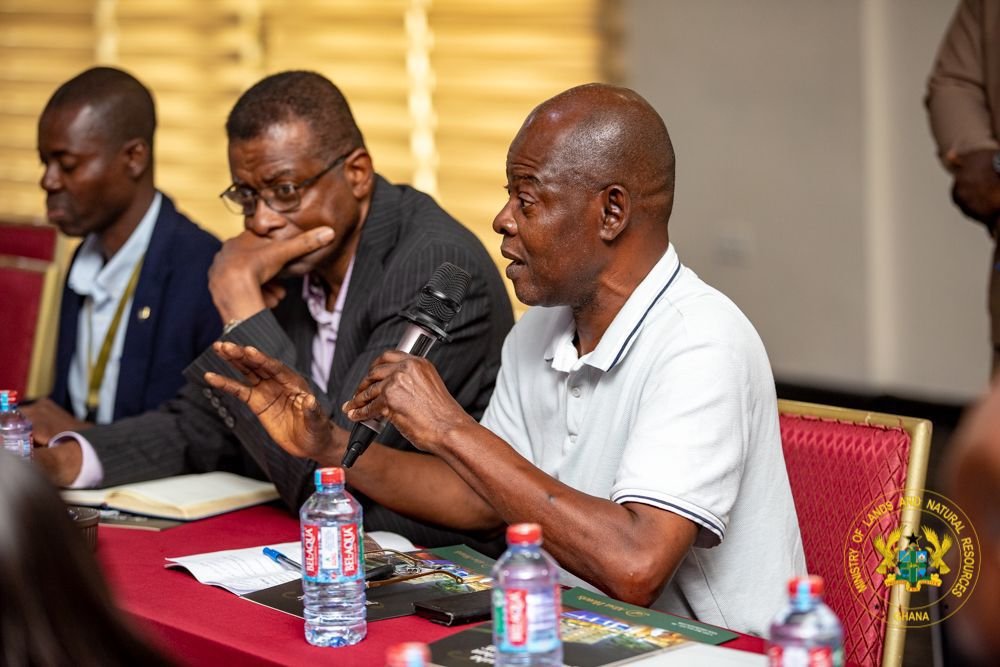
“Companies sometimes operate for 10 years or more without paying dividends to the state. When profits are reinvested through board decisions, Ghana, as the resource owner, receives nothing. An equity participation model would automatically entitle Ghana to a share of production rather than relying solely on dividends.”
Dr. Emmanuel Steve Asare Manteaw
Dr. Manteaw explained that the current free carried interest framework relies heavily on dividend payments, which are frequently delayed or left undeclared altogether by operating firms.
Because foreign mining companies regularly elect to reinvest operational profits through corporate board decisions, the state is often left with zero financial returns for years despite being the rightful resource owner.
Transitioning to an equity participation framework mirroring the successful mechanism used in Ghana’s petroleum sector would guarantee the nation an immediate physical share of mineral production rather than leaving state revenues at the mercy of board-declared dividends.
Re-Engineering Ghana’s Mineral Value Realization
By restructuring state interests from passive dividend claims to active equity holdings, Ghana stands to unlock immense financial and structural benefits from its mining sector.
Under the standard 10 percent free carried interest model, state revenue is dependent on net accounting profits after foreign operators deduct heavy operational expenses, capital investments, and debt servicing obligations.
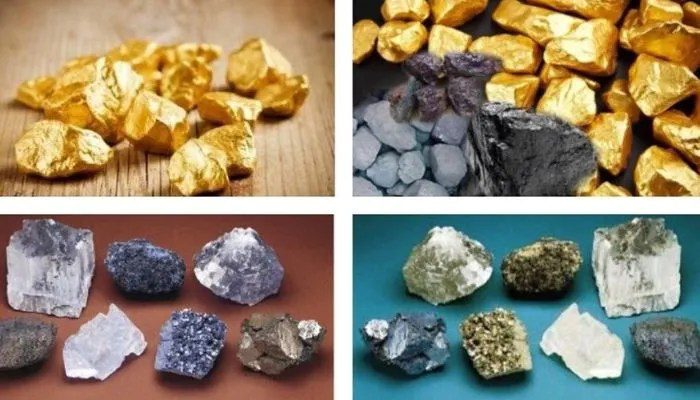
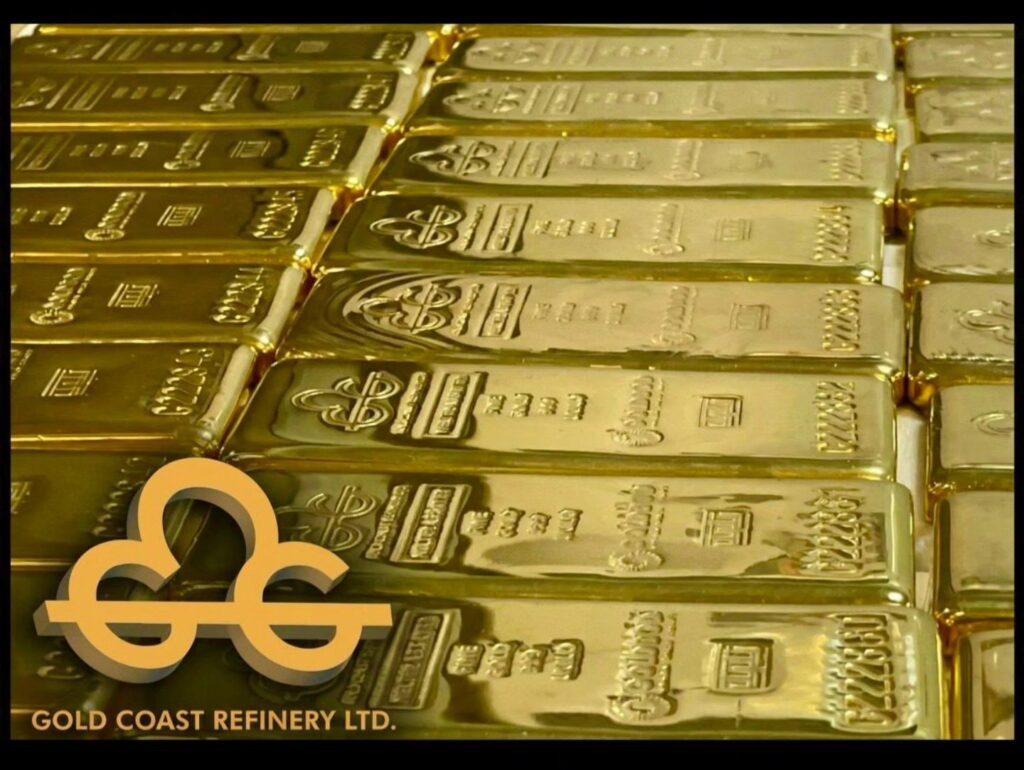
Converting this interest into direct equity participation shifts the state’s revenue mechanism upstream, giving Ghana direct ownership of physical mineral volumes such as bullion gold, bauxite, or lithium concentrate as soon as they are extracted.
Furthermore, holding direct equity insulates national revenues against aggressive tax planning, transfer pricing, and profit-shifting strategies commonly utilized by multinational corporations to minimize dividend liabilities.
Direct entitlement to refined physical output allows the government to secure liquid assets that can directly bolster national foreign exchange reserves at the Bank of Ghana.
Alternatively, the state can leverage physical off-take shares to feed domestic processing plants, establishing local value-addition industries instead of exporting unprocessed raw ores.
This structural change ensures predictable cash flows for the national treasury while removing the vulnerabilities associated with delayed or withheld corporate dividends.
Equity-Based Participation and GSE Capital Market Integration
To democratize natural resource wealth and build domestic financial muscle, Dr. Manteaw advocated for the mandatory listing of all major mining firms on the Ghana Stock Exchange (GSE).
According to him, forcing foreign operators to trade equity on the domestic exchange creates an institutional mechanism for ordinary citizens, pension funds, and local investors to purchase direct ownership stakes in the country’s mineral wealth.

This move would retain substantial investment capital within the domestic financial ecosystem, boosting liquidity on the GSE while ensuring that corporate profits are distributed among Ghanaian shareholders rather than entirely remitted offshore.
Moreover, integrating foreign mining operations into the local stock market encourages corporate transparency and obligates multinational entities to adhere to local governance standards.
When pension funds such as SSNIT invest directly in domestic mining equity, millions of Ghanaian workers indirectly participate in the commercial success of the extractive sector.
Dr. Manteaw asserted that market-driven local participation provides a stable, market-tested framework for national asset ownership, establishing transparent price discovery and equitable access to mineral revenues for both private and institutional investors across the country.
Building Sustainable Ghanaian Industrial Mining Capacity
Addressing the technical and financial hurdles facing local operators, Dr. Manteaw called for the creation of structured, mandatory joint ventures between foreign mining giants and Ghanaian enterprise partners.
He cautioned that simply transferring revoked or expired licenses to native companies without matching capital and operational experience risks operational failure and economic disruption.
Instead, mandatory joint-venture partnerships force technical knowledge transfer, shared management accountability, and seamless technology diffusion from global industry leaders to indigenous firms.
Over time, these joint ventures strengthen the balance sheets of domestic mining companies, allowing local firms to build robust credit ratings, gain operational credibility, and independently raise global capital on international markets.
Dr. Manteaw concluded that a deliberate, policy-backed national strategy encompassing equity conversion, GSE stock listings, and joint-venture capacity building remains the only viable path to achieving sustainable Ghanaian ownership, self-reliance, and long-term economic transformation in the mining industry.
READ ALSO: Llona and Black Sherif Deliver Emotional New Collaboration on Cry