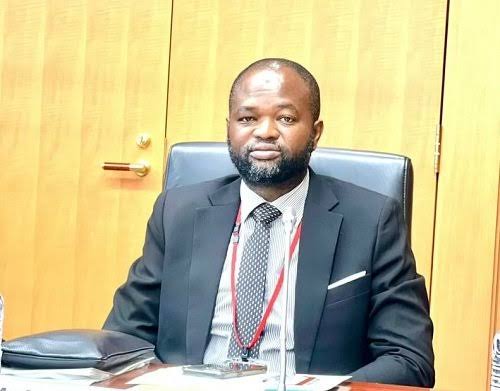
The Media Relations Officer for the Education Ministry, Hashmin Mohammed, has clarified that Arabic remains an optional language in Ghana’s basic education system and is not being introduced as a compulsory subject. He explained that the clarification follows claims suggesting that the Ministry of Education intends to impose Arabic on young learners across the country.
Mr Mohammed noted that the issue emerged after the National Council for Curriculum and Assessment (NaCCA) presented proposed recommendations for a revised basic school curriculum. The recommendations included a standardised curriculum for Arabic to guide schools that already teach the language within the English and Islamic school system.
According to him, NaCCA considered the curriculum necessary because schools had been using different approaches to teach Arabic. The proposed framework is therefore intended to provide a common teaching method and improve consistency among institutions offering the language.
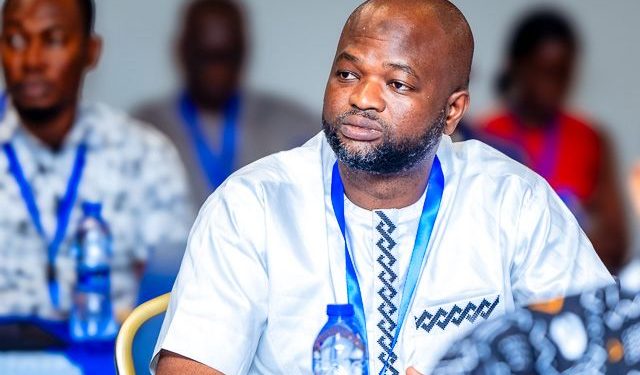
The Media Relations Officer stressed that Arabic has existed within Ghana’s education system for many years. He explained that the current development represents an attempt to organise its teaching through a recognised curriculum for schools where the language is already offered.
“Arabic is not compulsory for basic schools. It is only for the English and Arabic school community who have been teaching young learners in their basic schools Arabic.”
Hashmin Mohammed
The clarification places the proposed curriculum within the existing structure of English and Islamic schools across the country. These institutions, particularly those operating in communities with significant Muslim populations, have continued to provide Arabic instruction as a secondary language.
Referencing the role of NaCCA, Mr Mohammed explained that the agency sought to address the absence of a standard curriculum for the subject. Such standardisation, he added, would give teachers clearer guidance on how Arabic should be taught to pupils within the recognised school system.
The distinction between language and religion also featured prominently in the Ministry’s explanation. Mr Mohammed indicated that Arabic should be viewed alongside English, French and Spanish as a language that can be studied for educational purposes.
He further rejected the interpretation that the curriculum represents an attempt to introduce religious instruction into basic schools. From his perspective, separating language education from religious practice is important to understanding the purpose of the proposed curriculum.
The Education Ministry’s position therefore centres on choice and existing school arrangements. Pupils in schools where Arabic is offered would have the opportunity to study the language within the framework being developed by NaCCA.
Proposed Arabic Curriculum Remains Under Consultation Before Adoption
The proposed Arabic curriculum remains at the consultation stage as education authorities review the recommendations before any final decision is taken. Mr Mohammed explained that the process still requires consideration within the Ghana Education Service before it can proceed to Cabinet.
Addressing the status of the proposal, the Media Relations Officer emphasised that the Ministry of Education has yet to formally adopt the recommended languages. The next stages will involve further institutional consideration before the proposal reaches Cabinet for a final decision.
“These proposed languages are yet to be adopted by the Ministry of Education. It is at the consultative stage at the Ghana Education Service.”
Hashmin Mohammed
The consultation process provides an opportunity for education authorities to assess how the proposed framework fits into the existing basic education system. It also allows relevant institutions to consider the practical arrangements required for schools that already provide Arabic instruction.
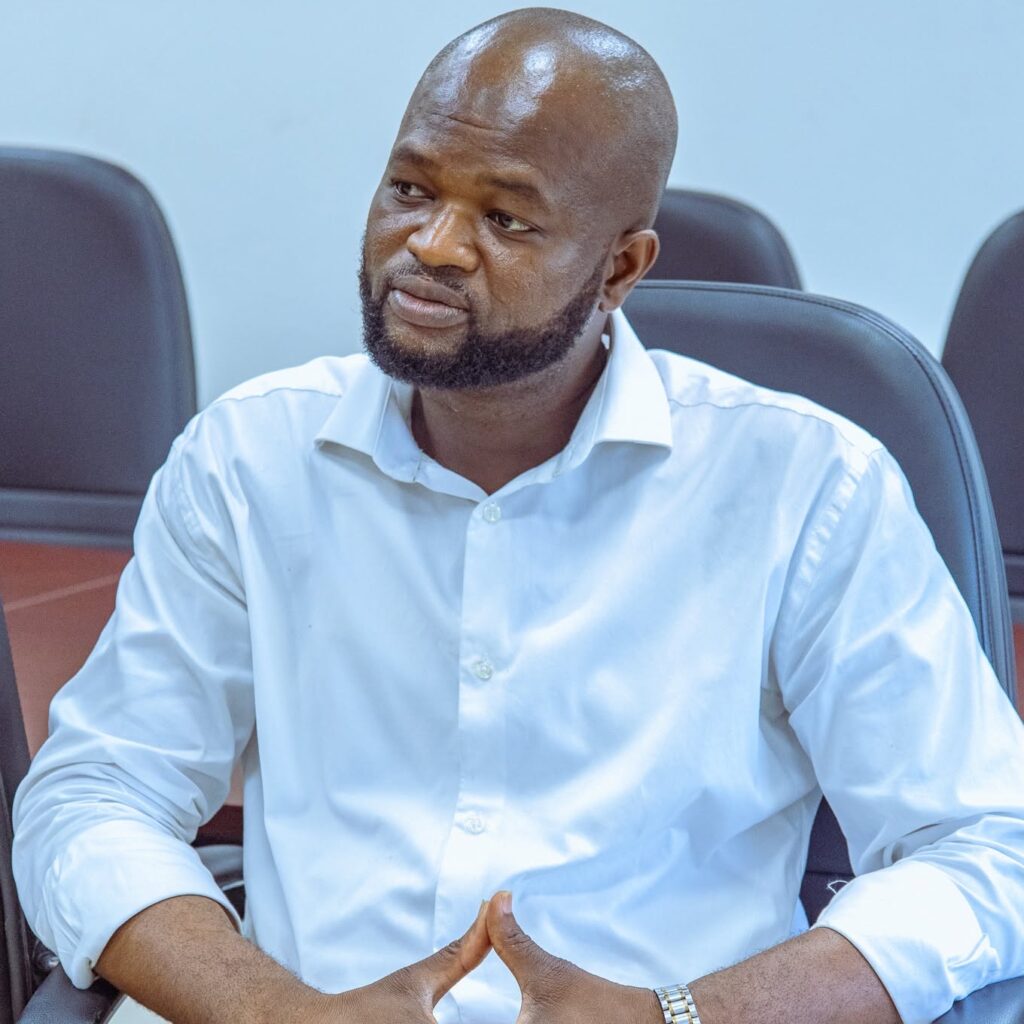
Another important aspect concerns the content of the proposed curriculum. Mr Mohammed explained that it focuses on teaching methodology, similar to the frameworks used for English, French and Spanish.
Therefore, the curriculum is designed to guide teachers in delivering Arabic lessons in a structured manner. It does not introduce a new religious programme into the basic school system.
The existing availability of Arabic teachers also formed part of the Ministry’s explanation. Mr Mohammed indicated that teachers are already working in schools where Arabic is taught, meaning the proposal is aimed at providing those instructors with a standard framework.
Furthermore, the Ministry’s position suggests that the policy does not depend on creating a new nationwide requirement for Arabic teachers. Instead, the existing pool of instructors would work within the curriculum developed to support schools already teaching the language.
NaCCA’s intervention consequently focuses on improving consistency in teaching across the affected institutions. The approach is expected to give schools a clearer structure for delivering Arabic while preserving its optional status.
The situation also highlights the role of English and Islamic schools in the development of Arabic education in Ghana. According to Mr Mohammed, hundreds of such schools already operate in communities where Arabic forms part of the educational offering.
Against this backdrop, the proposed framework seeks to bring greater organisation to a practice that is already taking place. Schools would therefore have a recognised curriculum to guide teachers and support learners who choose to study the language.
The Ministry’s explanation also places the final decision within the established education policy process. Following consultations at the Ghana Education Service, the proposal is expected to move to Cabinet for consideration before any formal adoption.
For parents and learners, the distinction between the proposal and compulsory education remains significant. The Ministry has clarified that Arabic will continue to be optional within the identified school communities if the proposed curriculum receives approval.
READ ALSO: 24-Hour Economy Needs Proper Markets, Not Forced Relocation — Traders Advocacy Secretary