
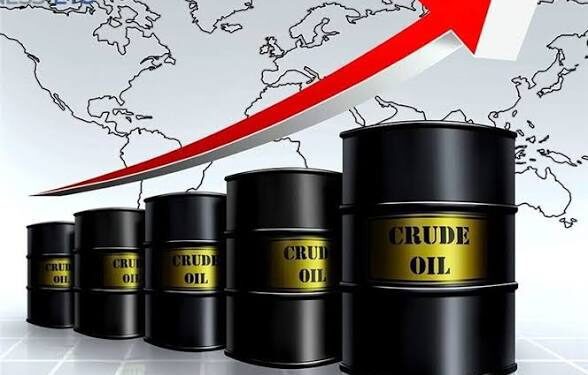
Renewed attacks on shipping in the Middle East are increasing pressure on global oil markets and raising fresh concerns for Ghana’s fuel-importing economy, as Brent crude moved close to $90 per barrel after hopes of a quick reopening of the Strait of Hormuz weakened.
Brent crude rose more than 2 percent overnight into Wednesday, with October futures trading around $89.53 per barrel, according to market data.
The increase reflects growing uncertainty over negotiations involving Iran and Oman and renewed security concerns around key maritime routes that carry a large share of the world’s oil and petroleum trade.
The latest tensions followed missile attacks on a commercial vessel near the Bab al-Mandeb strait and continued uncertainty over traffic through the Strait of Hormuz, which before the conflict handled roughly one-fifth of global oil supplies.
Markets have not completely lost hope for a deal, but confidence is clearly eroding.
Tim Waterer, Chief Market Analyst at KCM Trade
For Ghana, the immediate concern is not the physical availability of fuel but the effect of higher international oil prices on domestic petroleum costs, foreign exchange demand and inflation.
A direct risk to pump prices
Ghana operates a deregulated petroleum pricing system in which changes in international product prices and the cedi-dollar exchange rate feed through to domestic fuel prices.
Brent moving toward the upper-$80 to $90 range increases the likelihood that import costs for petrol, diesel and LPG will remain elevated in the coming pricing windows.

The risk is particularly significant for diesel, which has already experienced sharp price increases in recent weeks and has become a major cost driver for transport, mining, construction, agriculture and manufacturing.
A sustained period of higher crude prices would also increase the dollar requirement for fuel imports, adding pressure to Ghana’s external payments position at a time when exchange-rate stability remains important for broader macroeconomic management.
Energy security versus price security
The development also highlights an important distinction between energy security and price security.
Ghana may have adequate fuel stocks and functioning supply chains, but the country remains exposed to global price shocks because a substantial share of its refined petroleum needs is still imported.
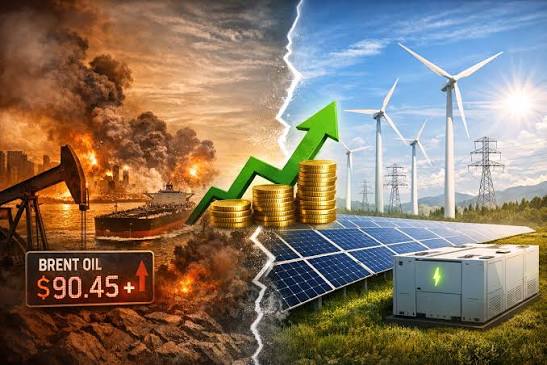
Recent efforts to revive domestic refining capacity at the Tema Oil Refinery (TOR) and expand local processing can improve supply resilience, but they do not fully insulate the economy from international crude price movements.
Fundamentally, oil prices remain supported at the $85-90 per barrel level barring any new headlines on renewed optimism over the diplomatic talk.
June Goh, Senior Oil Market Analyst at Sparta Commodities.
Why Ghana should watch the shipping routes
The Strait of Hormuz is the headline issue, but the attacks near the Bab al-Mandeb are also relevant for West African importers because they affect confidence in broader Middle Eastern shipping routes.
Any prolonged disruption that increases tanker insurance costs, rerouting expenses or freight rates can eventually feed into the landed cost of petroleum products imported by countries such as Ghana.

Market analysts note that uncertainty itself can keep a risk premium embedded in oil prices even before a full supply disruption occurs.
A reminder for Ghana’s long-term strategy
The latest oil-price spike is another reminder that Ghana’s petroleum challenge is not only about securing cargoes; it is also about reducing structural exposure to external shocks.
That strengthens the argument for a broader energy-security strategy built around more domestic refining, stronger storage infrastructure, greater use of natural gas for power generation, and accelerated investment in renewables and energy efficiency.
The current situation does not yet amount to a supply crisis for Ghana.
However, if Brent remains near $90 or rises further, the effects are likely to appear through higher fuel import bills, renewed pressure on pump prices, increased transport and production costs, and stronger inflationary risks across the economy.
READ ALSO: Ministry of Youth Development Renews Focus on Empowering Ghana’s Youth