A ferry operated by the Zimbabwean government has capsized on Lake Kariba, killing at least 44 people and triggering a major rescue and recovery operation following the deadly incident.
The Rural Infrastructure Development Agency (RIDA) vessel overturned after encountering rough conditions on the vast reservoir, leaving scores of passengers struggling in the water and triggering a major emergency response.
Zimbabwean police confirmed the death toll had risen sharply from an initial 15 bodies recovered, while 77 people have so far been rescued. The number of people still unaccounted for remains uncertain because authorities have yet to establish precisely how many passengers were aboard when the vessel went down.
The ferry was designed to carry 90 passengers and five crew members, yet the Civil Protection Unit disclosed that ticket records showed that 114 adult passengers were aboard, in addition to the five crew. An unknown number of children below the ticketing age may also have been travelling on the vessel.
The ferry was travelling between Kariba town and communities on islands and fishing settlements across the lake, providing an important transport link for residents who depend on the waterway for movement, trade and access to essential services.
According to Maxton Kanhema, who was travelling on a smaller boat that responded to the emergency, the ferry had departed in poor weather and appeared to encounter a powerful wave.
“When we were in the waters, then you could see a distress sign and then boats that were close by responded. People were in distress… there were bodies in the water and it was a sad situation to witness. Those that could be rescued were rescued.”
Maxton Kanhema
Video footage circulating online showed the overturned vessel floating in the lake as rescue boats moved toward the scene. A helicopter was also deployed to assist emergency crews, while divers searched the water for survivors and bodies.
The scale of the emergency prompted President Emmerson Mnangagwa to declare a state of disaster, allowing the government to mobilise additional resources for the rescue and recovery operation.
Local Government Minister Daniel Garwe stated that the declaration was intended to ensure that “all necessary resources are mobilised” to respond to the disaster.
He added that, “the government extends its deepest condolences to the families and loved ones of those who have lost their lives in this tragic incident.”
The government has deployed an army boat squadron, a police sub-aqua unit and a privately owned helicopter, while a specialised aquatic rescue team was airlifted into the area.
Overcrowding Concerns Mount as Rescue Teams Search Lake Kariba
The growing death toll has intensified questions about whether the ferry was operating beyond its safe capacity and whether adequate safety measures were in place before it departed.
The vessel’s stated capacity was 90 passengers, yet official ticket records indicate that 114 adults were aboard, alongside five crew members. The possible presence of additional children means the actual number could have been considerably higher.
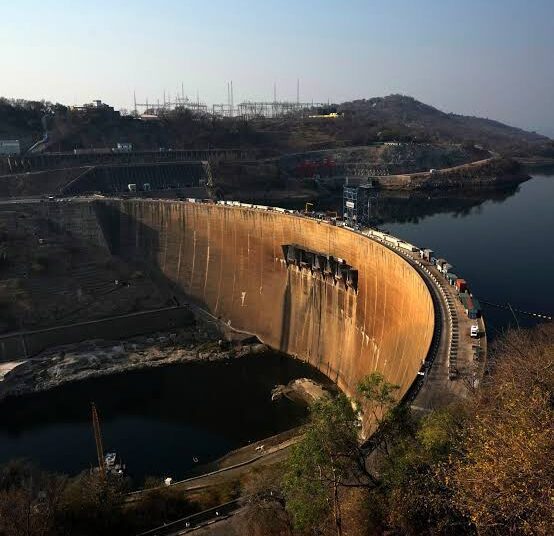
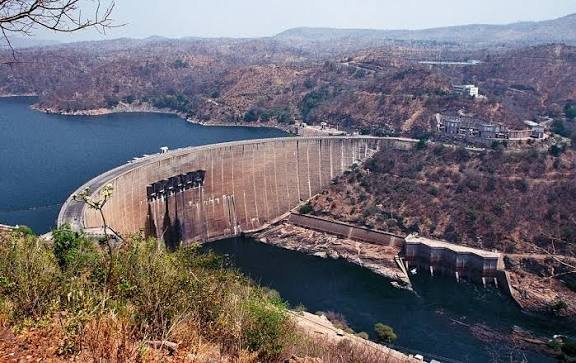
Moreover, the ferry’s route is particularly important to communities scattered around Lake Kariba. The enormous reservoir, which straddles Zimbabwe and Zambia, supports fishing, tourism and transport while also serving as a critical source of hydroelectric power for the two neighbouring countries.
For residents living on islands and in remote fishing communities, however, boats are more than an economic resource. They are often an essential means of accessing larger towns and services.
That dependence makes the safety of passenger vessels a matter of particular importance.
The circumstances surrounding the accident are now expected to come under intense scrutiny.
For Zimbabwean government, the immediate goal is to find anyone who may have survived the sinking and recover the corpses of those who died.
However, once the emergency period is over, pressure is likely to increase for a thorough inquiry into the ferry’s passenger records, operating capacity, seaworthiness, weather conditions, and safety procedures.
The government has committed to deploy the resources needed to support the rescue operation, and authorities have offered their sympathies to the families of those who died. However, for families waiting for news of lost relatives, the hunt continues to be a race against time.
READ ALSO: It’s a Great Achievement to Be At Manchester United – Youri Tielemans