
Chief Executive of the National Health Insurance Authority (NHIA), Dr. Victor Bampoe, has announced the launch of the “80 Campaign,” an initiative aimed at boosting national health insurance enrolment and improving the quality of care available to existing members.
Speaking on the initiative, Dr. Bampoe explained that the campaign is anchored on a call to move coverage from 70 to 80 percent, targeting individuals and communities who remain outside the National Health Insurance Scheme (NHIS) while simultaneously strengthening measures to ensure existing members derive greater value from their membership.
Dr. Bampoe disclosed that the Authority has significantly intensified enrolment activities this year through what it calls the “market storm” approach, registering people directly in busy streets, markets, and communities across the country.
He said this grassroots strategy contributed to a notable leap in membership under government’s Free Primary Health Care policy.
He further explained that the NHIS Campus Connect initiative took the Authority’s services directly to the doorstep of several tertiary educational institutions, ensuring that students are properly covered under the scheme.
Alongside this, the NHIS Festive Polls and Faith and Wellness Drive provided on-site registration and renewal services to patrons attending festivals and faith congregations nationwide.
50 Percent Increase in Provider Payments
Beyond enrolment efforts, Dr. Bampoe highlighted a significant increase in payments made to hospitals, clinics, and pharmacies under the scheme, revealing that these payments have gone up by 50 percent.
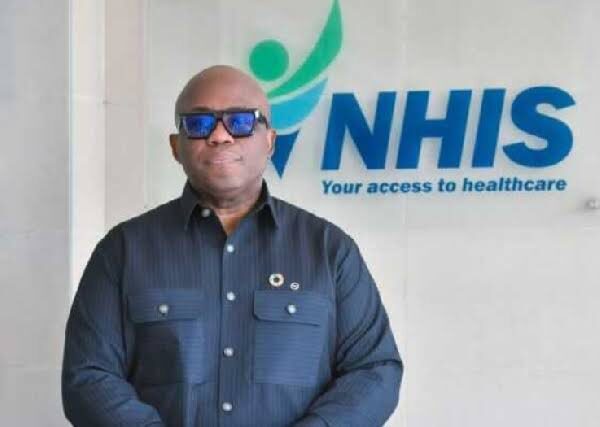
“When the people caring for you are properly paid, your card works the way it should. No excuses at the counter. No being asked to pay for what’s already yours.”
Dr. Victor Bampoe
He explained that this increase is directly intended to eliminate the frustrations many NHIS members have historically faced at healthcare facilities, insisting that members should be able to simply present their card and receive care without additional demands for payment.
Funds Flowing Directly to Districts for The First Time
Dr. Bampoe described what he called the development that moves him most, the fact that, for the first time, funds for Free Primary Health Care are flowing directly to the districts hosting the facilities that serve the communities most in need. He said this includes funding for checkups, care for pregnant women, and immunisation services for children, all provided free at the point of care.
“It took a president who uncapped the health insurance fund so that money meant for your health actually reaches your health. It took a minister for health who has led this agenda with real conviction.”
Dr. Victor Bampoe

He was emphatic that these developments reflect a broader governmental shift in how healthcare financing is approached, describing it as evidence that government now treats healthcare not as a privilege, but as a firm promise to citizens.
Collective Achievement, Not NHIA’s Alone
Reflecting on the significance of these reforms, Dr. Bampoe said his years of experience in the health sector have shown him that such changes can be life-altering for many families, describing his involvement in the process as humbling. He was quick to stress, however, that the progress made cannot be credited to the NHIA alone.
He attributed the achievements to the contributions and trust of NHIS members themselves, alongside the daily commitment of health workers across the country, describing the Authority’s role as that of a steward rather than the sole architect of the reforms.
Three Guiding Commitments Behind the Reforms
Dr. Bampoe explained that none of the progress recorded has happened by accident, attributing it instead to three core commitments the Authority works at consistently.
The first, he said, involves keeping the NHIA’s own institutional house in order, through stronger systems, tighter controls, and better care for the Authority’s own workforce, a discipline he credited for the pace of progress achieved so far.
The second commitment, he explained, centres on protecting members’ trust and their money, a priority that led to the introduction of the One-Time Attendance Code (OTAC) at health facilities. He said this system ensures the scheme pays only for real care delivered to real patients, warning that any facility found illegally charging insured patients, even a single cedi, would be identified and addressed.
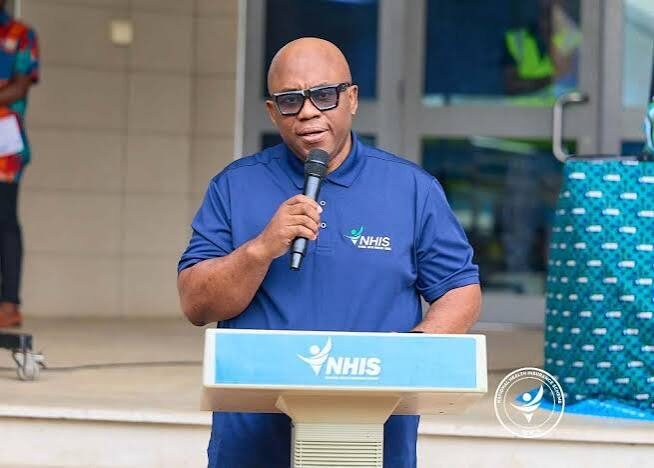
The third commitment, according to Dr. Bampoe, involves delivering on government’s boldest health promises, specifically Free Primary Health Care, for which funds are already flowing to districts, alongside the Ghana Medical Trust Fund, popularly known as MahamaCare, which he said is progressing alongside these efforts.
Taken together, Dr. Bampoe’s remarks point to a coordinated push by the NHIA to expand coverage, strengthen provider payment systems, and tighten accountability mechanisms simultaneously, an approach he suggested is central to achieving the ambitions set out under the 80 Campaign.
With enrolment drives continuing nationwide and funding reforms already underway at the district level, the coming months are expected to reveal how effectively these combined efforts translate into measurable improvements in coverage and care for NHIS members across the country.
READ MORE: Ministry of Youth Development Renews Focus on Empowering Ghana’s Youth