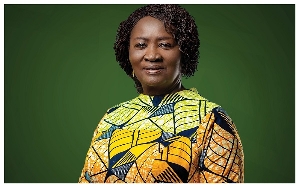
The Deputy Minister for Health, Hon. Dr Grace Ayensu-Dankwah, has called for urgent, coordinated action to reduce maternal deaths in Ghana, describing maternal mortality as a key reflection of the strength and responsiveness of the country’s health system.
She made the call as she commenced a two-day official visit to the Ashanti Region under Phase Three of the Regional Ecosystem Assessment Visits of the Maternal Mortality Action and Response Program (MMARP), an initiative aimed at developing a comprehensive national strategy to address preventable maternal deaths.
According to the Ministry, the assessment is being undertaken to develop a National Roadmap for Reducing Maternal Mortality in Ghana, with a specific focus on identifying gaps in maternal health service delivery, referral pathways, emergency obstetric care readiness, community-level barriers, and stakeholder commitments across the country’s regions.
As part of the visit, Dr Ayensu-Dankwah engaged the Regional Director of Health Services, Dr Fred Adomako Boateng, along with members of the Senior Management Committee, district directors of health services, medical directors, medical superintendents, and staff of the Ashanti Regional Health Directorate at their offices.
Dr Ayensu-Dankwah disclosed that 986 women died from maternal causes in Ghana in 2024, with the country recording a maternal mortality ratio of 235 deaths per 100,000 live births.
She noted that maternal mortality remains persistently high across 11 regions, with the Ashanti Region currently recording the highest number of maternal deaths nationwide.

“Maternal mortality is a reflection of the robustness of our health system.”
Hon. Dr Grace Ayensu-Dankwah,
She stressed the need for stakeholders to work together to develop a clear, actionable roadmap capable of guiding coordinated intervention across the region’s health facilities and communities.
Ashanti Region’s Referral Burden Highlighted
The Deputy Minister also paid a courtesy call on the Ashanti Regional Minister, Dr Frank Amoakohene, who explained that the region carries a significant referral burden from adjoining regions and districts, with many complicated maternal cases ultimately referred to the Komfo Anokye Teaching Hospital for specialised care.
Dr Amoakohene called for the establishment and upgrading of sub-regional health facilities to improve access to emergency obstetric care and reduce the pressure currently placed on the region’s major referral centre, arguing that decentralising specialised care would help address delays that often contribute to preventable maternal deaths.
At the Ashanti Regional Coordinating Council (ARCC), Dr Ayensu-Dankwah engaged Metropolitan, Municipal and District Chief Executives (MMDCEs), religious and traditional leaders, representatives of health facilities, the Christian Health Association of Ghana (CHAG), private health facility operators, and other key stakeholders drawn from across the region.

The engagement provided a platform for stakeholders to identify local barriers contributing to maternal deaths and to strengthen collective commitments toward reducing preventable maternal mortality within their respective communities and jurisdictions.
Part of A Broader National Roadmap Effort
The Ashanti Region visit forms part of a wider series of regional assessments being conducted under the MMARP initiative, which is working toward the development of a National Roadmap for Reducing Maternal Mortality covering the period 2026 to 2030.
With the region recording the highest number of maternal deaths nationally, the outcomes of this particular assessment are likely to carry significant weight in shaping the priorities and interventions eventually outlined in the national roadmap.

As the two-day visit continues, further engagements with health officials, local government leaders, and community stakeholders are expected to shape a more localised understanding of the specific barriers driving maternal deaths within the Ashanti Region, feeding directly into the broader national strategy currently being developed by the Ministry of Health.
READ MORE: NHIA Begins Rollout Of 50% Provider Tariff Increase