The National Health Insurance Authority (NHIA) has disbursed GH¢35.1 Millon to 107 districts implementing the Free Primary Healthcare (FPHC) programme, reinforcing government’s commitment to expanding access to preventive and community-based healthcare services across the country.
The payment, representing first-quarter funding for the programme, is expected to support the delivery of essential healthcare services at the community level while strengthening Ghana’s efforts toward achieving Universal Health Coverage (UHC).
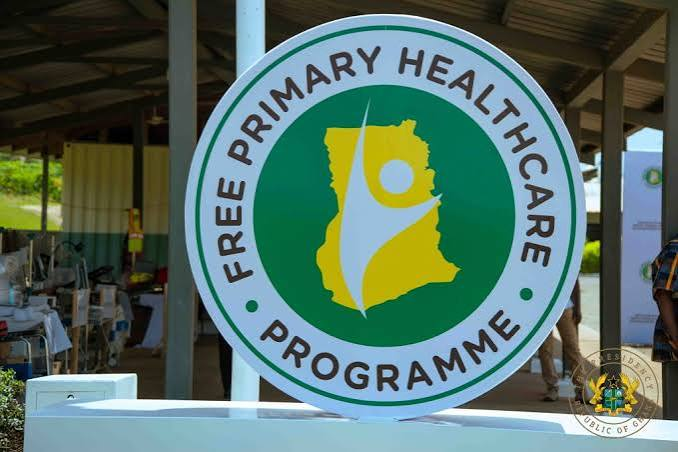
Launched by President John Dramani Mahama on April 15, 2026, at Dodowa, the Free Primary Healthcare programme represents a major shift in healthcare financing by prioritising preventive care, early disease detection and health promotion within communities.
According to the NHIA, the initiative is designed to complement the National Health Insurance Scheme (NHIS), creating a comprehensive healthcare system that addresses both prevention and treatment.
“The Free Primary Healthcare programme is a significant investment in preventive healthcare, ensuring that communities receive essential health services before illnesses become severe and more costly to treat.”
Dr. Victor Asare Bampoe
New Funding Model Supports Community Health Delivery
Unlike the NHIS, which reimburses healthcare providers based on services rendered to individual patients, the FPHC programme operates under a population-based financing model.
Under this arrangement, resources are allocated according to the population size of participating districts rather than the number of claims submitted by healthcare providers.
The NHIA explained that the model provides predictable and upfront funding to district health systems, enabling them to effectively plan and deliver healthcare interventions without delays associated with claims processing.
Health officials believe this approach will strengthen community-level healthcare delivery and improve access to preventive services, particularly in underserved areas.
The funding mechanism is also expected to enhance efficiency and ensure sustained delivery of essential health services across participating districts.
Focus on Prevention and Early Detection
The Free Primary Healthcare programme places significant emphasis on disease prevention, health promotion and early diagnosis.
Services covered under the programme include routine screening for non-communicable diseases such as hypertension, diabetes, obesity and selected cancers.
Maternal and child healthcare interventions including antenatal care, postnatal care, immunisation services and growth monitoring are also provided free of charge under the initiative.
In addition, community members can access treatment for common illnesses such as malaria, cholera and respiratory infections at designated healthcare facilities.
Health authorities say these interventions are intended to identify health conditions at an early stage when treatment is often more effective and less expensive.
“Preventive healthcare remains one of the most effective ways to improve health outcomes and reduce the burden of disease on individuals, families and the national health system.”
Dr. Victor Asare Bampoe
Community Outreach Central to Programme Success
A key feature of the programme is its strong community outreach component aimed at reaching populations that may not routinely access formal healthcare services.
The initiative supports home visits by health workers, health education campaigns, school-based engagements and workplace outreach programmes.
These activities are designed to increase awareness of healthy lifestyles, encourage regular health checks and promote early healthcare-seeking behaviour among community members.
By taking healthcare services directly to communities, the programme seeks to reduce barriers to access and ensure that more Ghanaians benefit from preventive care interventions.
Healthcare services under the FPHC are available through Community-based Health Planning and Services (CHPS) compounds, health posts, health centres and polyclinics across participating districts.
Programme Complements NHIS
The NHIA explained that the Free Primary Healthcare programme and the National Health Insurance Scheme are intended to function as complementary pillars within Ghana’s healthcare system.
While the FPHC focuses on prevention, health promotion and early disease detection at the community level, the NHIS continues to provide coverage for clinical treatment and hospital-based care when medical conditions require more advanced intervention.
Under the arrangement, individuals referred from primary healthcare facilities to district, regional or teaching hospitals will still be required to possess a valid NHIS card to access covered treatment services.
Health experts view the integrated approach as an important step toward strengthening continuity of care while reducing preventable illnesses and avoidable hospital admissions.
NHIA Encourages Public Participation
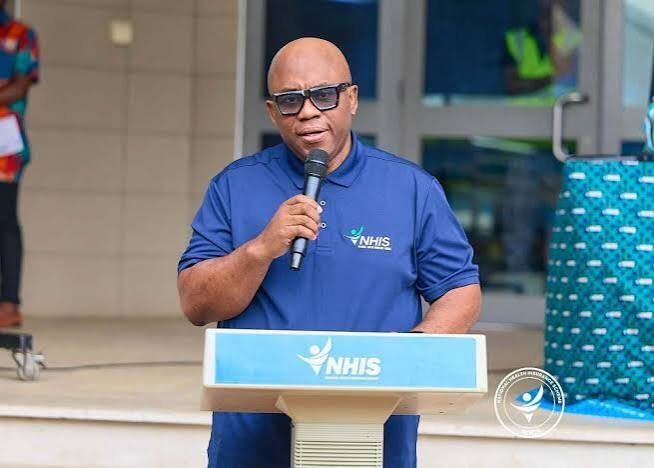
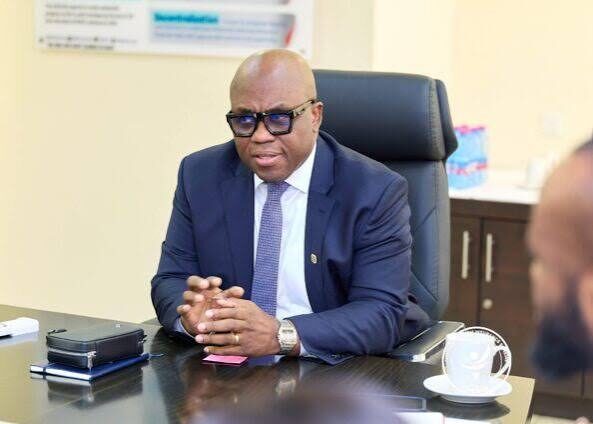
Commenting on the release of funds, Chief Executive of the NHIA, Dr. Victor Asare Bampoe, urged Ghanaians, particularly residents of participating districts, to take full advantage of the programme.
According to him, the initiative is intended to help citizens maintain better health through regular screenings, routine monitoring and adherence to professional health advice.
Dr. Bampoe noted that many health conditions can be effectively managed when detected early, preventing complications that often require expensive and prolonged treatment.
He encouraged community members to regularly check vital health indicators and engage with healthcare professionals at primary healthcare facilities.
“The goal is to keep people healthier by identifying health conditions early and supporting healthier lifestyles. Early detection often leads to simpler, more effective and less costly treatment,”
Dr. Victor Asare Bampoe
Commitment to Universal Health Coverage
The NHIA reaffirmed its commitment to the continued implementation and financing of the Free Primary Healthcare programme as part of broader national efforts to achieve Universal Health Coverage.

The Authority said it remains focused on expanding access to promotive and preventive healthcare services while ensuring that communities across the country receive quality healthcare regardless of location.
Health sector stakeholders have welcomed the initiative as a major step toward reducing the burden of disease, strengthening primary healthcare systems and improving health outcomes nationwide.
With the release of over GH¢35. 1 million to participating districts, the programme is expected to deepen community-based healthcare delivery and accelerate Ghana’s progress toward a more accessible, equitable and prevention-focused healthcare system.
READ MORE: MoH Steps Up Action to Tackle Maternal Deaths in Ashanti Region