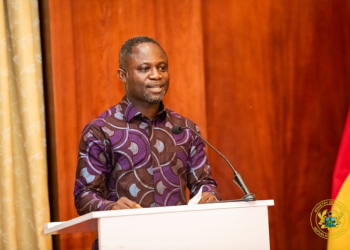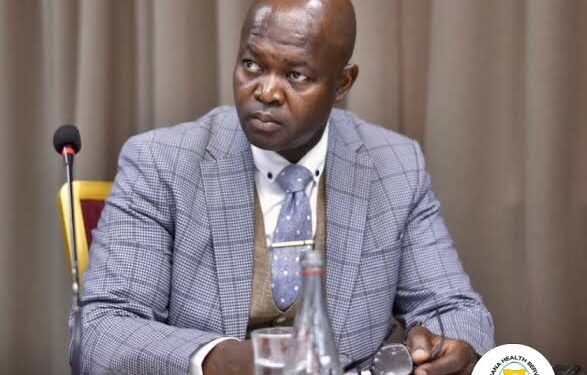
The Director General of the Ghana Health Service (GHS), Dr. Samuel Kaba Akoriyea, has called for renewed commitment to the implementation of the Free Primary Health Care (FPHC) programme, stressing the need to move the initiative beyond policy discussions and translate it into tangible healthcare services for communities across the country.
Dr. Akoriyea made the call while reflecting on healthcare access, Ghana’s public health aspirations and lessons drawn from Cuba’s healthcare system, which he described as a model that demonstrates the possibility of delivering healthcare as a fundamental right for all citizens.
According to him, the success of the FPHC programme will depend not only on policy formulation but also on the practical commitment of health professionals, policymakers and stakeholders to ensure that essential healthcare services reach underserved and deprived populations.
“I have been silently entrusted to lead this whole issue of implementing practically what we call the Free Primary Health Care, The task before us is to ensure that this initiative moves from policy into meaningful action that impacts lives across the country,”
Dr. Samuel Kaba Akoriyea
The GHS Director-General underscored the importance of universal access to healthcare, describing it as a basic right that every individual deserves regardless of social or economic status.
Dr. Akoriyea noted that healthcare systems should be designed to guarantee equitable access to essential services, particularly for vulnerable populations who often face barriers in accessing quality medical care.
He argued that healthcare should not be viewed as a privilege available only to a select few but rather as a public good that must be accessible to every citizen.
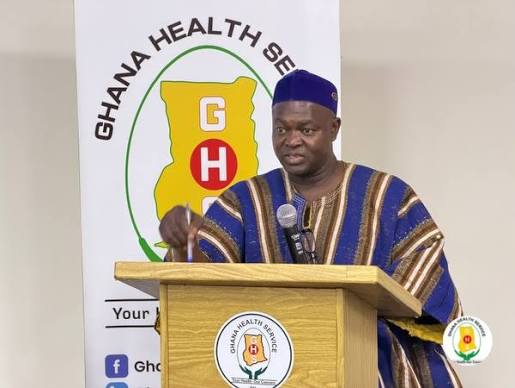
The Director-General emphasized that the Free Primary Health Care programme aligns with this vision by bringing preventive and promotive healthcare services closer to communities.
Lessons from Cuba’s Healthcare System
Dr. Akoriyea paid tribute to the late Cuban leader Fidel Castro, whose policies he said contributed significantly to the development of a healthcare system that prioritizes universal access.
Drawing from his personal experience in Cuba, he described a system where healthcare services are provided without financial barriers to citizens.
“A place where healthcare is absolutely free. You can get a heart transplant, kidney transplant. You can get anything under health for free,”
Dr. Samuel Kaba Akoriyea
According to him, the Cuban model demonstrates that a nation can prioritize healthcare access through deliberate policy choices and sustained investment in public health systems.
He noted that many Ghanaian health professionals who studied in Cuba returned home with valuable experiences that continue to influence healthcare delivery in Ghana.
Dr. Akoriyea indicated that the principles underpinning Cuba’s healthcare system resonate strongly with Ghana’s ambition to strengthen primary healthcare and achieve Universal Health Coverage.
Bringing Healthcare Closer to Communities
The GHS Director-General also reflected on Ghana’s efforts over the years to decentralize healthcare services and ensure that specialist care reaches populations outside major urban centres.
He recounted his involvement in the management of Ghana’s first advanced mobile medical units, which were introduced more than a decade ago to provide specialist healthcare services in underserved areas. According to him, the initiative marked a significant step toward reducing geographical barriers to healthcare access.
Dr. Akoriyea explained that the mobile units enabled healthcare professionals to deliver specialized services directly to communities that would otherwise have limited access to such care. He recalled that the programme initially began in Accra before expanding to the regions.
As the then Director of the Institutional Care Division of the Ghana Health Service, he was responsible for overseeing the operations of the mobile medical units until 2016.
Mahama’s Vision for Community Healthcare
Reflecting on one of the outreach exercises in the Western Region, Dr. Akoriyea recalled a directive from President John Dramani Mahama that reinforced the importance of community-centred healthcare delivery.
According to him, the President encouraged health authorities to take healthcare services to the people rather than expecting citizens to travel long distances to health facilities.
That approach, he noted, remains relevant today as Ghana seeks to strengthen primary healthcare delivery through the FPHC programme.
“At that time, we were taking specialised services to the people. The vision was clear: healthcare should be accessible wherever people live, especially those in deprived communities,”
Dr. Samuel Kaba Akoriyea
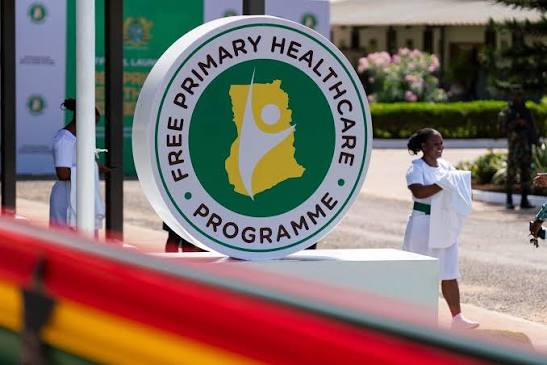
He explained that the Free Primary Health Care programme builds on this philosophy by focusing on prevention, early detection and community-level interventions.
Renewed Push for Free Primary Healthcare
Dr. Akoriyea stressed that the successful implementation of the FPHC programme will require sustained collaboration among healthcare workers, district health authorities, development partners and local communities.
He noted that the programme has the potential to transform healthcare delivery by ensuring that essential services are available at the community level before illnesses become severe.
The Director-General further emphasized that preventive healthcare remains one of the most cost-effective approaches to improving health outcomes and reducing the burden on hospitals.
He urged stakeholders to remain committed to the programme’s objectives and work collectively to ensure that every Ghanaian benefit from quality primary healthcare services.
Advancing Universal Health Coverage
The GHS Director-General concluded by reaffirming the Service’s commitment to expanding healthcare access and strengthening primary healthcare systems nationwide.
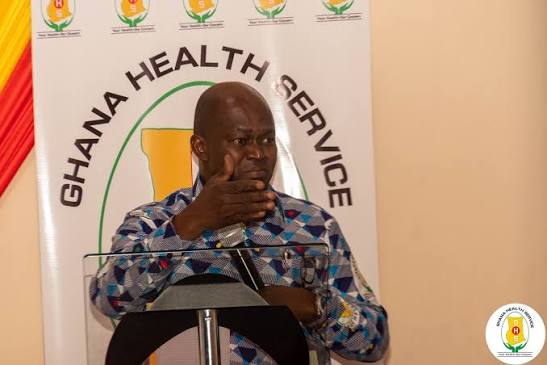
He described the FPHC programme as a critical pillar in Ghana’s journey toward Universal Health Coverage, particularly for populations living in deprived and underserved communities.
According to him, translating the initiative from policy into action will help bridge healthcare inequalities, improve health outcomes and bring Ghana closer to its goal of ensuring that no citizen is left behind in accessing essential healthcare services.
The remarks combined a tribute to Fidel Castro’s healthcare legacy with a renewed call for practical implementation of Ghana’s Free Primary Health Care programme, underscoring the need to transform policy commitments into measurable improvements in the lives of citizens.
READ MORE: Ghana Needs Forensic Auditing into Scholarship Scheme – Mad. Ibrahim