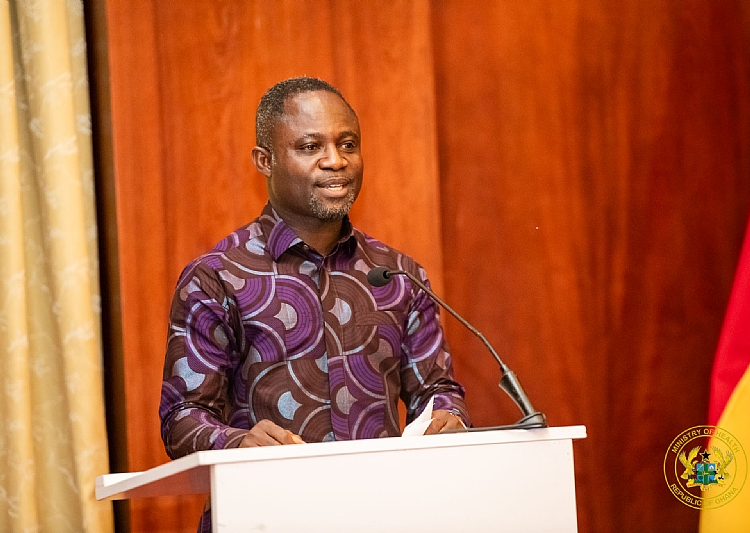
The Minister for Health, Hon. Kwabena Mintah Akandoh, has announced a major shift in Ghana’s healthcare strategy from treating diseases to preventing them, as government expands the Free Primary Healthcare Programme to underserved communities across the country.
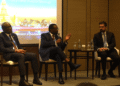
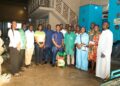
Speaking during the launch of the programme in the Bolgatanga East Constituency as part of President John Dramani Mahama’s Resetting Ghana Tour of the Upper East Region, the Minister said the initiative represents a fundamental transformation in the country’s approach to healthcare delivery.
According to him, the Free Primary Healthcare Programme is currently being implemented in 150 underserved districts, with government targeting nationwide coverage by 2028.
He explained that the programme forms part of a broader healthcare framework that includes the National Health Insurance Scheme (NHIS) and the Ghana Medical Trust Fund, popularly known as Mahama Cares, to ensure comprehensive healthcare support for all Ghanaians.
“We are moving from paying to treat diseases to investing in preventing them. The goal is to ensure that citizens remain healthy and receive timely interventions before illnesses become severe and costly to manage.”
Hon. Kwabena Mintah Akandoh
Three-Tier Healthcare Strategy
Hon. Akandoh explained that the Free Primary Healthcare Programme, NHIS and Mahama Cares have been designed as complementary interventions operating at different stages of the healthcare delivery chain.
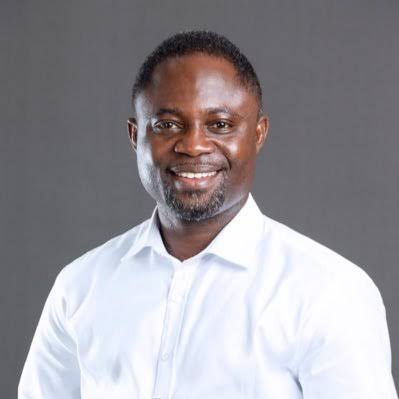
He noted that while the Free Primary Healthcare Programme focuses on prevention, health promotion and early detection of diseases at the community level, the NHIS continues to provide support for treatment and clinical care.
The Minister further indicated that Mahama Cares fills critical gaps in healthcare financing by supporting the management of non-communicable diseases that are either inadequately covered or not covered under the National Health Insurance Scheme.
According to him, the integrated approach ensures that citizens receive healthcare support from primary through secondary and tertiary levels of care.
“Along the entire healthcare chain, from primary to tertiary care, there is now an intervention that every Ghanaian can benefit from. We are building a system that leaves no one behind.”
, Hon. Kwabena Mintah Akandoh
Addressing Rising Non-Communicable Diseases
The Health Minister expressed concern about the increasing burden of non-communicable diseases in the country, describing them as a growing public health challenge.
He observed that conditions such as cancers and other chronic illnesses continue to claim lives at an alarming rate while placing significant financial pressure on affected families.
To address this challenge, he said government established the Ghana Medical Trust Fund to provide dedicated financial support for the treatment and management of such conditions.
The initiative, he explained, is intended to complement existing healthcare programmes and ensure that patients suffering from serious chronic illnesses receive the assistance they need.
According to the Minister, the establishment of Mahama Cares demonstrates government’s commitment to strengthening healthcare financing and improving access to specialized treatment services.
Government Resolves Payroll Challenges
Beyond healthcare policy reforms, Hon. Akandoh highlighted efforts by the Mahama administration to address longstanding employment and payroll challenges within the health sector.
He revealed that government inherited a situation in which more than 100,000 trained health professionals remained unemployed despite significant workforce shortages in parts of the healthcare system.
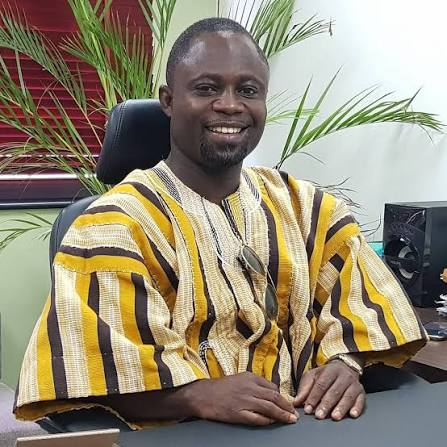
The Minister also disclosed that approximately 13,500 nurses and midwives had been recruited and posted to various health facilities but had not been provided with financial clearance for payment.
He noted that the situation created anxiety among healthcare workers and triggered demonstrations shortly after the current administration assumed office.
According to him, government was confronted with two options: either terminate the appointments and seek fresh approval processes or retain the workers and integrate them into the national payroll system.
All Recruited Nurses Now Receiving Salaries
Hon. Akandoh said President Mahama directed that all affected nurses and midwives be retained and migrated onto the payroll to ensure continuity in healthcare service delivery. The Minister announced that the directive has now been fully implemented.
“I am happy to report that all 13,500 nurses and midwives who were recruited and posted without financial provision have now been migrated onto the payroll and are receiving their salaries,”
Hon. Kwabena Mintah Akandoh
He further revealed that government has settled outstanding salary-related obligations owed to the affected healthcare workers. According to him, some of the nurses and midwives had worked for several months without receiving payments for overtime and other allowances.
The Minister said government considered it unacceptable for health workers to continue serving without receiving their rightful compensation.
Hon. Akandoh reported that all outstanding arrears owed to the affected healthcare workers had been fully paid . He described the development as a significant step toward restoring confidence among health professionals and improving morale within the sector.
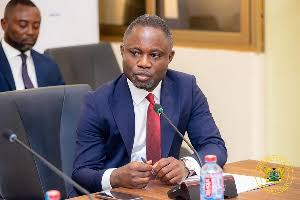
The Minister emphasized that healthcare workers remain central to the success of government’s health sector reforms and therefore deserve fair and timely remuneration.
He noted that government remains committed to creating opportunities for trained health professionals while strengthening healthcare delivery across the country.
Expanding Access to Quality Healthcare
The Health Minister concluded by reaffirming government’s determination to expand access to quality healthcare services through sustained investment in preventive care, workforce development and healthcare financing.
He said the rollout of the Free Primary Healthcare Programme represents a critical component of Ghana’s efforts to achieve Universal Health Coverage and reduce preventable illnesses.
According to him, by combining preventive healthcare, health insurance coverage and dedicated support for non-communicable diseases, government is building a more resilient healthcare system capable of meeting the needs of all citizens.
The Minister expressed confidence that the integrated approach would improve health outcomes, reduce healthcare costs and ensure that quality healthcare becomes accessible to every Ghanaian, regardless of location or economic status.
READ MORE: Translate FPHC From Policy to Action – DR. Akoriyea