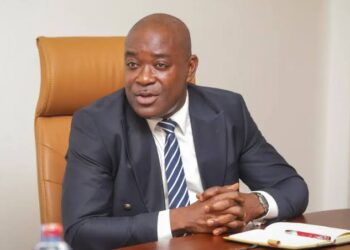
The Minister for Health, Hon. Kwabena Mintah Akandoh, has stated that the day-to-day running of health institutions is not the responsibility of Boards or Board members, calling for a clearer understanding of the distinct roles played by Boards and management within Ghana’s health sector.
He made the statement on the second day of the Ministry of Health’s High-Level Mid-Year Review Retreat in Ho, where participants are being taken through structured training on corporate governance and the role of Boards within health institutions nationwide
According to Hon. Akandoh, good governance remains critical to ensuring that the country’s limited resources are effectively deployed toward improving the wellbeing of the Ghanaian people.
He explained that strong governance structures within health institutions serve as a foundation for ensuring that public funds allocated to the sector translate into tangible improvements in service delivery.
He used the opportunity to emphasise his personal commitment to ensuring that Health Agencies have the necessary Legislative Instruments (LIs) in place to guarantee good governance across their institutions, describing this as a priority he intends to pursue actively during his tenure.
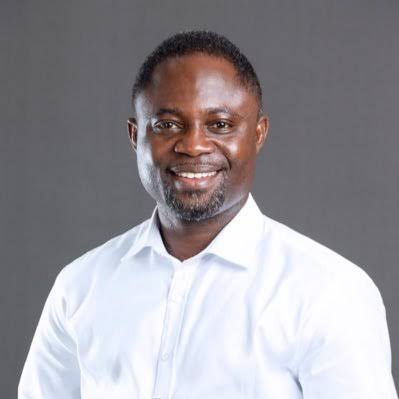
Distinction Between Board And CEO Responsibilities
The Minister stressed that understanding the respective responsibilities of Boards and Chief Executive Officers is essential to ensuring effective governance and preventing unnecessary interference in the day-to-day administration of health institutions.
“Boards must focus on oversight, policy direction and accountability, while management handles the day-to-day running of our health institutions. Clear separation of these responsibilities is essential for good governance, prudent use of public resources and improved healthcare delivery to the Ghanaian people.”
Hon. Kwabena Mintah Akandoh
His remarks appeared aimed at addressing a recurring governance challenge within public institutions, where blurred lines between oversight and management roles can sometimes lead to inefficiencies or conflicts within institutional leadership structures.
Call For Prudence In Institutional Spending
Hon. Akandoh also urged health institutions to exercise greater prudence in the use of public resources, particularly with regard to expenditure on seminars, training, and travel. He stressed the need for institutional decisions to reflect the country’s current resource constraints, rather than proceeding with spending patterns that may not align with the broader fiscal realities facing government.
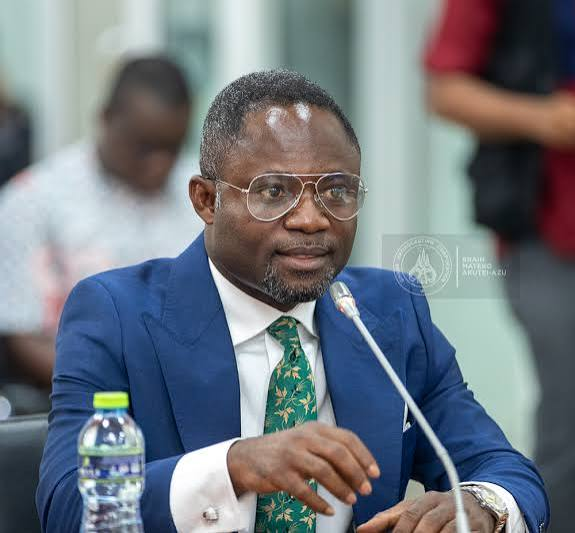
His comments reflect a wider effort within the Ministry to instil greater financial discipline across health agencies, particularly as government continues to emphasise prudent public expenditure management across all sectors.
Training Aimed At Preventing Institutional Infractions
Hon. Akandoh explained that the governance training being delivered as part of the retreat would help participants better understand core governance principles, avoid institutional infractions, and make decisions that promote accountability and effective management across their respective agencies.
He encouraged all participants to actively engage in the session and take the opportunity to gain a clear understanding of their respective roles and responsibilities, stressing that a shared understanding of governance boundaries would be essential to improving overall institutional performance within the health sector.
The Minister’s remarks add to a series of governance-focused directives issued during the ongoing Mid-Year Review Retreat, which has already seen calls for strict compliance with the Public Financial Management Act, alongside broader assessments of progress on key health sector commitments under the NDC 2024 Manifesto.
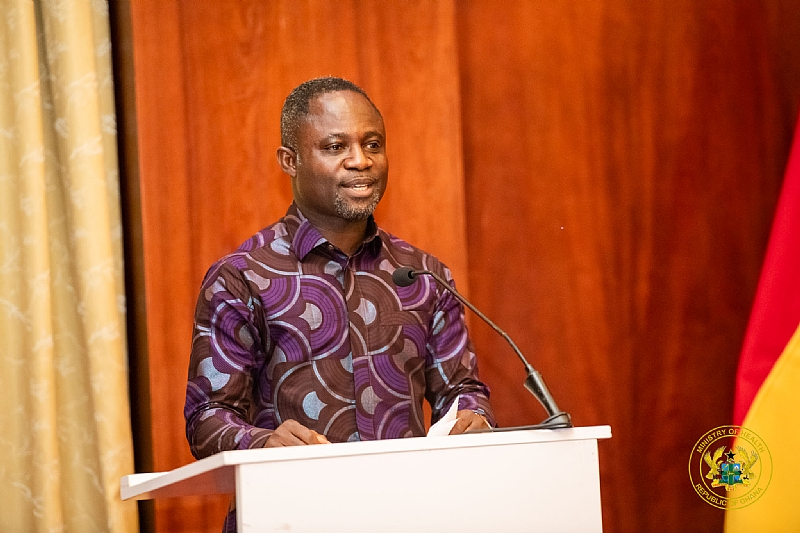
With Board Chairs, Chief Executive Officers, and Directors from across the Ministry of Health in attendance, the emphasis on clarifying governance roles suggests a deliberate effort by the Ministry to strengthen institutional accountability structures ahead of the sector’s continued push toward achieving its broader development goals, including Universal Health Coverage and the successful implementation of flagship programmes such as Free Primary Health Care and the Ghana Medical Trust Fund.
READ MORE: Peki SHTS Calls on Government Intervention Over Infrastructure Crisis