
Principal Midwifery Officer at the Greater Accra Regional Hospital, Felicia Martey Dodoo, has identified inadequate infrastructure, limited theatre space, and gaps in blood supply readiness as significant contributors to Mathernal Mortality that continue to put pregnant women’s lives at risk.
Drawing on her clinical experience and advocacy work on obstetric fistula, Madam Dodoo outlined a detailed picture of how routine antenatal monitoring, patient education, and systemic bottlenecks interact to shape maternal health outcomes across Ghana’s health facilities.
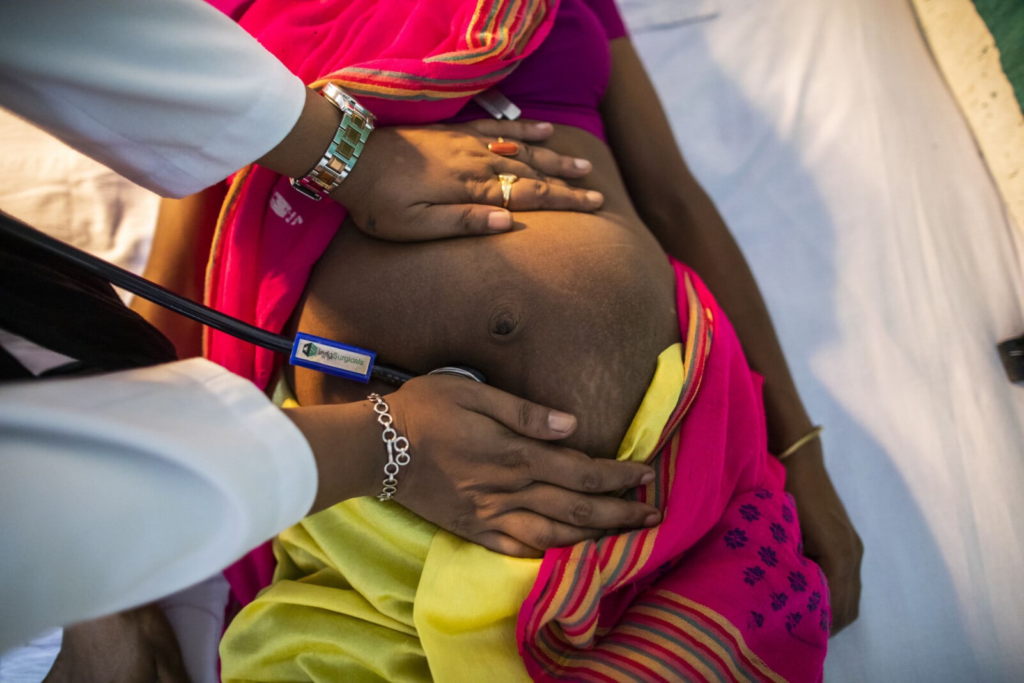
Madam Dodoo explained that when a pregnant woman visits a health facility, her vital signs, urine, and other laboratory investigations are checked as part of ongoing efforts to identify high-risk conditions early and allow for prompt intervention throughout the pregnancy journey.
She noted that this continuous monitoring is precisely what allows other underlying health conditions to be discovered during pregnancy, given the rigorous nature of the tests conducted at each visit.
Combined Maternal Health Record Book Introduced
She disclosed that the previously separate antenatal and postnatal record books have now been combined into a single Maternal and Child Health Record Book, used continuously from pregnancy through to the postnatal period. She explained that the book contains extensive educational materials, including photographs, designed to guide mothers through their pregnancy journey.

“Looking at patient staff ratio in our setting, it is overwhelming for most midwives and healthcare professionals.”
Felicia Martey Dodoo
She noted that given this pressure on staffing, health education delivered at facilities is often supplemented by material in the record book, which mothers are encouraged to review at home with their partners so that specific concerns can be addressed during subsequent visits, allowing subsequent education to be tailored more directly to each woman’s individual challenges.
Madam Dodoo stressed that vigilance is required throughout the entire pregnancy period, rather than at isolated points, explaining that visit intervals are structured to intensify as pregnancy progresses, beginning at four-week intervals following booking and gradually reducing to two-week and then one-week intervals as term approaches.
She was clear that any danger signs occurring outside scheduled visit windows should prompt immediate attention at a health facility rather than waiting for the next scheduled appointment, underscoring the importance of responsiveness throughout the pregnancy period regardless of where a woman falls within her scheduled visit calendar.
On continuity of care, Madam Dodoo confirmed that the health system is working toward a model where pregnant women see the same midwife or healthcare provider throughout their pregnancy, often supported by teams who share access to a patient’s medical history and information, ensuring consistency even when a specific provider is unavailable.
For women who travel during pregnancy, she advised that they carry their Maternal and Child Health Record Book with them, enabling any health facility they visit to access their medical history and continue care without disruption, ensuring that travel does not become a barrier to consistent maternal healthcare access.
The Three-Delay Model Explaining Maternal Deaths
As an obstetric fistula advocate, Madam Dodoo outlined what she described as the three-delay model used to understand the factors contributing to maternal mortality. She explained that the first delay involves the woman or her family recognising a danger sign and making the decision to seek care, a stage often complicated by financial constraints, past negative experiences, and fear of hospitalisation.
“So the first stage of the delay, they have to recognize, make the decision that I have to go, timely decision.”
Felicia Martey Dodoo
She noted that at this point of decision-making, the involvement of both the woman and her relatives plays a significant role, with considerations around money, past bad experiences, and fear of hospital admission all factoring into how quickly a decision to seek care is made.
The second delay, she explained, relates to the physical process of reaching a health facility, citing transportation challenges, poor road networks, and the absence of emergency transport systems as significant barriers, particularly in parts of northern Ghana where even healthcare workers themselves struggle to reach facilities.
She described maternal mortality as a multi-sectoral issue in this regard, extending responsibility beyond the health sector alone to include road infrastructure development.
Delays Within Health Facilities Also A Concern
The third delay, according to Madam Dodoo, occurs within the health facility itself, encompassing triage processes, resource availability, and capacity to manage multiple emergencies simultaneously. She specifically highlighted blood and blood product availability as a critical resource often underprepared for, noting that a woman with normal haemoglobin levels can deteriorate rapidly during an obstetric emergency.
She advocated strongly for pregnant women to bring relatives to donate and reserve blood in advance of delivery, describing this as an important preventive measure against the risks associated with sudden, severe blood loss during childbirth, stressing that blood and blood products cannot simply be accessed on demand in the way ordinary supplies can.

Madam Dodoo further raised concerns about limited theatre space within health facilities, explaining that when multiple emergencies occur simultaneously, competition for surgical resources can directly affect a woman’s chances of survival.
She also noted a disparity between the number of midwives available within the system and the number of gynaecologists equipped to perform surgical interventions, describing this imbalance as a significant factor affecting the overall quality and timeliness of maternal emergency care across health facilities nationwide.
READ MORE: Government to Procure 100 New Ambulances for NAS in 2027 – Hon. Akandoh