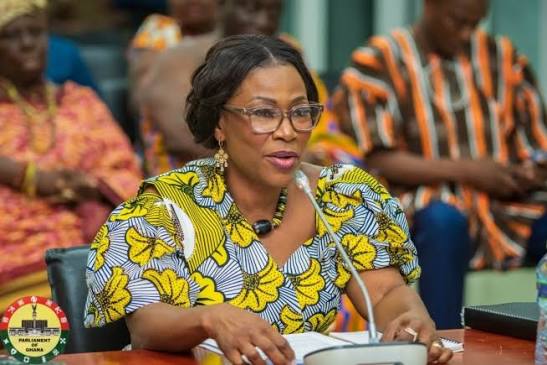
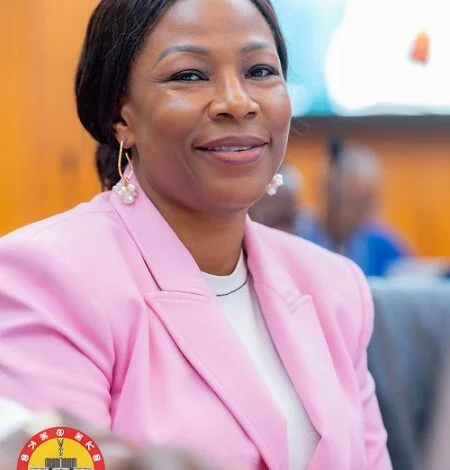
Deputy Minister for Health, Prof. Dr. Grace Ayensu-Danquah, has called for stronger partnerships, innovation, and technology transfer in building a resilient and modern healthcare system, delivering the keynote address at the 3rd China-West Africa Medical & Health Industry & AI Diagnosis Project Cooperation Summit and Expo.
In her address, Prof. Ayensu-Danquah emphasised the importance of collaboration between industry players, healthcare professionals, and policymakers in advancing healthcare delivery across the region, describing the Summit as a platform for knowledge sharing, strategic partnerships, and investment opportunities within the healthcare sector.
The Summit was held under the theme “Deepening AI Deployment, Empowering Health in West Africa,” bringing together policymakers, industry leaders, healthcare professionals, innovators, traditional medicine practitioners, and investors shaping the future of health on the continent.
Organised by the Health Community of West Africa Association (HCOWA) in partnership with the Ministry of Health, the Ghana Health Service, and the Ghana Investment Promotion Centre (GIPC), the event served as a platform for collaboration, knowledge-sharing, and strategic partnerships between China and West Africa’s healthcare sectors.
AI Described as the Present, Not the Future, of Healthcare
Reflecting on the discussions that unfolded at the Summit, Prof. Ayensu-Danquah underscored a message that resonated throughout the event, that Artificial Intelligence is no longer a distant prospect for healthcare delivery, but an active and present force already reshaping how care is delivered.
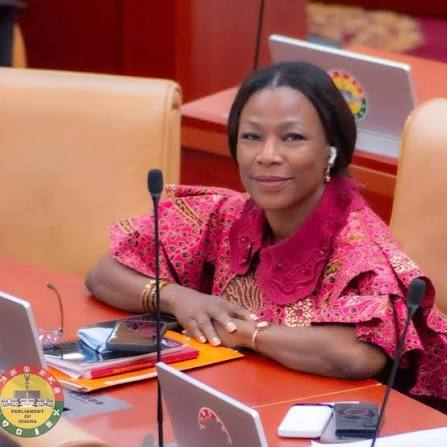
“Artificial Intelligence is no longer the future of healthcare, it is the present. From AI-powered diagnostics to equitable health access, technology holds the key to bridging gaps in our health systems and delivering quality care to every community.”
Deputy Minister for Health, Prof. Dr. Grace Ayensu-Danquah
Her remarks positioned AI-powered diagnostics as a practical tool capable of addressing longstanding gaps in healthcare access, particularly in communities where specialist expertise and diagnostic infrastructure remain limited.
Platform Centred on People, Not Just Technology
Despite the Summit’s strong technological focus, Prof. Ayensu-Danquah was careful to frame the broader significance of the discussions beyond the tools themselves, emphasising that the conversation extended to the human impact of these innovations.
“Grateful to HCOWA and all partners for this opportunity to contribute to a conversation that is not just about technology, but about people, access, and the future of health in West Africa.”
Deputy Minister for Health, Prof. Dr. Grace Ayensu-Danquah
Her remarks suggested a deliberate effort to ensure that discussions on AI deployment and diagnostic innovation remain firmly anchored in their ultimate purpose, improving access to quality healthcare for ordinary people across West African communities, rather than treating technological advancement as an end.
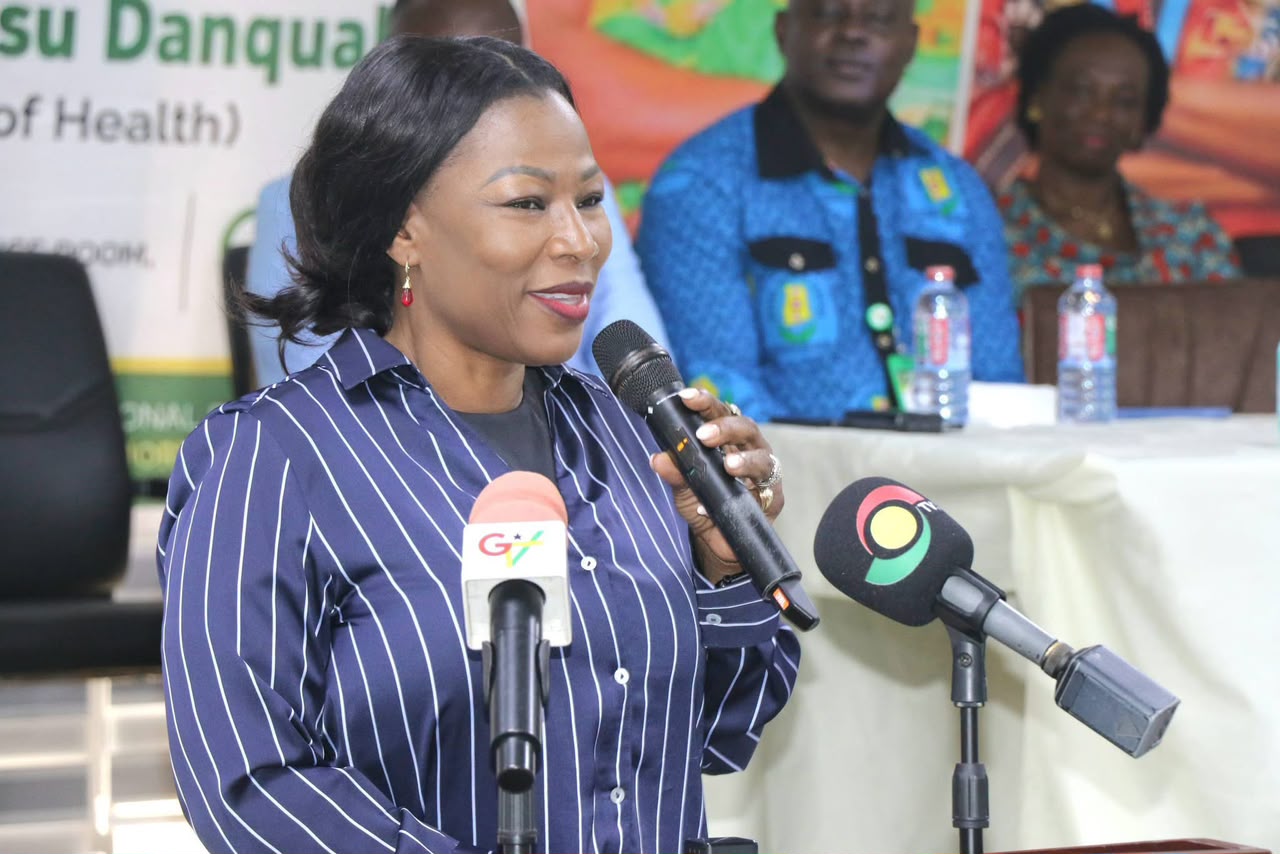
Strengthening China-West Africa Health Cooperation
The Summit’s structure, bringing together Chinese industry stakeholders with West African policymakers, healthcare professionals, and investors, reflects a growing pattern of cross-continental collaboration aimed at accelerating the adoption of advanced medical technologies within the region’s healthcare systems.
By involving key Ghanaian institutions such as the Ministry of Health, Ghana Health Service, and GIPC as partners in organising the event, the Summit appears designed to translate discussions into concrete investment and knowledge-transfer opportunities, rather than remaining a purely conceptual exchange of ideas.
Broader Vision For Regional Healthcare Transformation
Prof. Ayensu-Danquah’s participation in the Summit reflects Ghana’s broader positioning within regional efforts to modernise healthcare delivery through strategic international partnerships, particularly as AI-powered diagnostic tools continue to gain traction as viable solutions for addressing specialist shortages and diagnostic delays across the continent.
With the Summit bringing together such a diverse array of stakeholders, from traditional medicine practitioners to technology innovators and investors, the event signals a broader ambition to integrate emerging technologies into West Africa’s healthcare systems in ways that are both locally relevant and internationally supported.
As discussions from the Summit translate into potential partnerships and investment commitments, attention will likely turn to how quickly the region’s healthcare institutions can begin implementing the kinds of AI-driven diagnostic solutions discussed at the event.
For Ghana and its West African neighbours, the Summit represents a step toward positioning the region as an active participant in the global shift toward AI-integrated healthcare, rather than a passive recipient of technologies developed elsewhere, with Prof. Ayensu-Danquah’s remarks reinforcing that this transformation must ultimately serve the people it is designed to benefit.
READ MORE: Mahama to Open AMCOA Conference as Africa Pursues Safer Healthcare