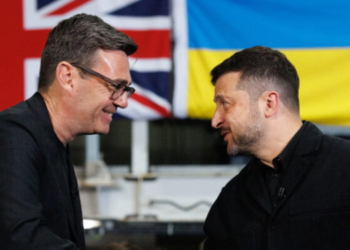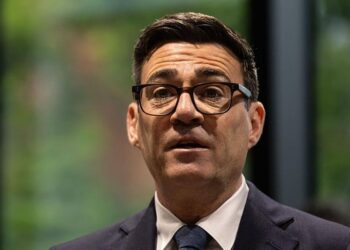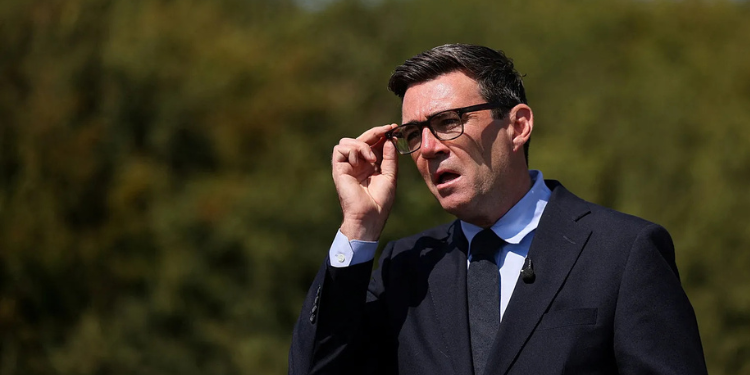
United Kingdom’s Prime Minister Andy Burnham has called for a more ambitious approach to Britain’s relationship with the European Union, telling European Council President Antonio Costa that the United Kingdom should be “bolder” in seeking closer ties with the bloc.
Burnham made the call during a conversation with Antonio Costa as the two leaders journeyed by train to Kyiv for a summit of the Coalition of the Willing in Ukraine.
The interaction occurred as the British Prime Minister made his first visit to Ukraine since taking office, aiming to reaffirm London’s commitment to European security while also beginning a new chapter in its relationship with the EU.
According to Downing Street, the discussion focused on the need to build on existing cooperation between Britain and European countries, particularly in defence and security, while expanding collaboration into other areas of the UK-EU relationship.
The Prime Minister noted that that Britain’s existing defence and security links with European allies provided a foundation for broader cooperation.
While the Labour government has sought to improve ties with European capitals since taking office in 2024, progress in deepening the UK’s relationship with the EU has been gradual.
Britain’s departure from the EU fundamentally changed the country’s political, economic and security relationship with its closest European neighbours. Although UK has repeatedly emphasised that it does not seek to reverse Brexit, successive governments have faced pressure to reduce some of the practical difficulties created by Britain’s departure from the bloc.
Trade barriers, regulatory differences and questions over mobility have remained sensitive areas in discussions between Britain and the EU. At the same time, Russia’s war in Ukraine has strengthened the case for closer European cooperation on defence and security, creating an area in which Britain and EU members continue to share significant strategic interests.
Moreover, Andy Burnham’s meeting with Antonio Costa came shortly before he was scheduled to join other European leaders in Kyiv to mark Ukraine’s Independence Day and participate in discussions on continued support for the country.
Defence Cooperation Central to Burnham’s Push for European Ties
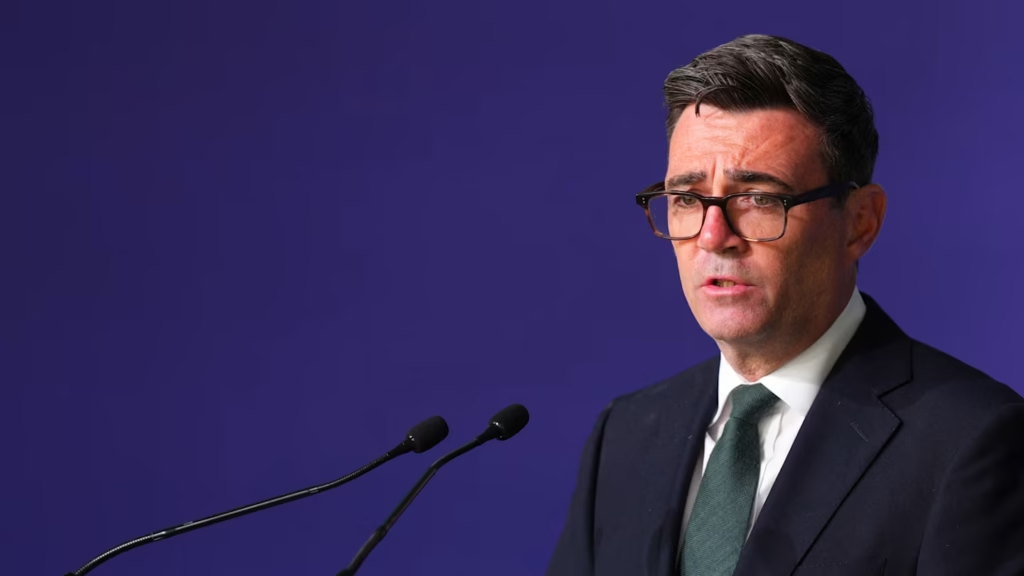
In addition to his discussion with Costa, Burnham spoke with Luxembourg Prime Minister Luc Frieden while on his way to Kyiv, where he addressed defence spending and European security cooperation.
The discussions focused on mechanisms that may help countries expand defence investment, such as the Canada-backed Defence, Security, and Resilience Bank and the Multilateral Defence Mechanism formed by Britain, the Netherlands, Finland, and Poland.
According to Downing Street, Burnham and Frieden discussed how the two programs may complement one another, reflecting the European allies’ growing emphasis on new means to finance defence capabilities
The conversations came as European countries reassess their security needs amid continuing uncertainty over the future of the continent’s security architecture.
Per Britain’s perspective, the issue carries particular weight. Although the country is no longer an EU member, it remains one of Europe’s major military powers and a key contributor to continental security. The UK’s defence relationship with European allies has therefore continued despite the political and economic separation created by Brexit.
The Coalition of the Willing meeting in Kyiv is expected to provide another opportunity for leaders supporting Ukraine to coordinate their positions and demonstrate continued political backing for the country.
For Burnham, however, the trip to Kyiv provided a diplomatic chance beyond Ukraine.
The strategy does not necessarily imply that Britain intends to rejoin the European Union or its key institutions. Rather, it suggests increased practical cooperation while keeping the UK’s status outside the bloc.
The upcoming UK-EU conference later this year could so serve as a key test of Burnham’s strategy. The discussion is anticipated to allow both parties to explore areas where collaboration may be enhanced while managing the political complexities of Britain’s exit from the EU.
The challenge for Burnham will be converting calls for closer relations into arrangements that deliver tangible benefits without reopening the divisions that accompanied Brexit.
Meanwhile, European leaders may see a more involved Britain as a source of collaboration at a time when defence, security, and support for Ukraine have become increasingly important on the continent’s political agenda.
READ ALSO: Adamus Pledges to Work with Stakeholders to Turnaround Mines within 12-month