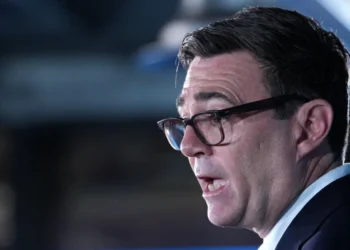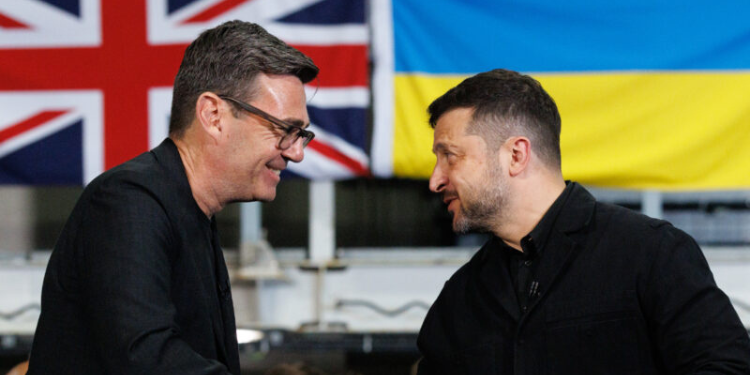
British Prime Minister Andy Burnham is set to travel to Kyiv on his first foreign visit since taking office, using the symbolic trip to reaffirm the United Kingdom’s support for Ukraine as the country marks 35 years of independence and continues to face intensified Russian attacks.
The visit places Ukraine at the centre of Burnham’s early foreign policy agenda and signals continuity in Britain’s backing for Kyiv despite the change of leadership in Downing Street. It also comes at a sensitive moment in the conflict, with Russia stepping up aerial strikes across Ukraine while warning of consequences over Britain’s continued military assistance to the Ukrainian government.
During his visit, Burnham is expected to chair his first meeting of the “coalition of the willing,” the group of countries established by the United Kingdom and France under former Prime Minister Keir Starmer to coordinate support for Ukraine. He will also participate in Ukraine’s Independence Day commemorations and accept an award on behalf of the British people in recognition of Britain’s role in supporting the war-torn nation.
The trip is designed not only to reinforce diplomatic ties between UK and Ukraine, but also to send a broader message that Britain’s political transition will not alter its commitment to Ukraine’s defence.
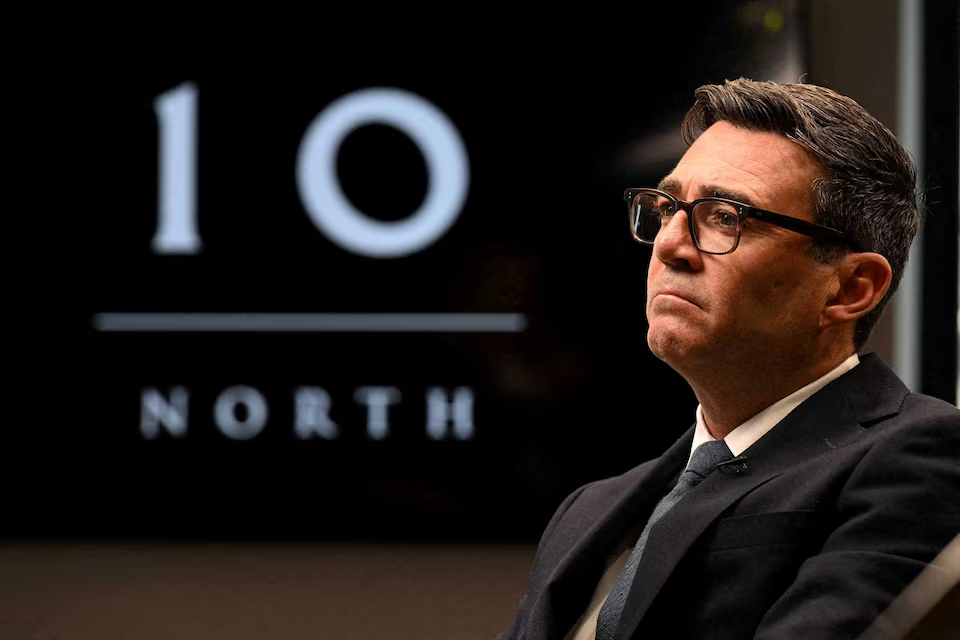
“On Ukraine’s 35th anniversary of independence, the Ukrainian people should be in no doubt: the UK is behind you today and for as long as it takes.
“I am proud of the contribution our country has made to Ukraine and I want the Ukrainian people to hear it directly from me that our support will not waver. After all, Ukraine’s security is our security.”
Andy Burnham
He added that the friendship between the two countries would “long outlast Russia’s illegal war. Russia should be in no doubt of our resolve. We will not back down until there is a just and lasting peace.”
Andy Burnham’s visit comes against the backdrop of renewed violence in the conflict. Recent weeks have seen Russia intensify missile and drone strikes on Ukrainian cities and infrastructure.
At the same time, Ukraine has expanded its long-range attacks inside Russian territory, targeting oil refineries, industrial facilities and warehouses linked to major Russian businesses. The escalation has heightened tensions between Moscow and Western countries supplying military assistance to Kyiv.
Russia has specifically criticised Britain over the use of British-made drones and weapons systems by Ukrainian forces. The Russian Embassy in London accused the United Kingdom of “deliberately opting for an escalation of the Ukraine crisis,” warning that “the deeper its involvement in the conflict, the higher the price it will pay,”
Burnham, however, has rejected suggestions that Britain should reduce its support.
“We are not fair-weather friends, we will be there in Ukraine’s hour of need and that won’t change. We are providing support so that Ukraine can defend itself and that’s been the British position all the way through this conflict, by previous Prime Ministers and it remains the case with me.”
Andy Burnham
Defence Ties and Diplomacy Take Centre Stage in Burnham’s Kyiv Visit
One of the most significant announcements expected during Burnham’s visit concerns the sharing of military technology linked to long-range missile systems used by Ukraine.
The British government is set to allow defence company MBDA to declassify information relating to UK-made components used in the Scalp missile, the French equivalent of Britain’s Storm Shadow system. Both missiles share British and French technologies and have played a key role in Ukraine’s long-range strike capabilities.
French President Emmanuel Macron is reportedly considering plans to establish local assembly lines for Scalp missiles in Ukraine, a move that could strengthen Kyiv’s domestic defence industry and reduce dependence on external supply chains.
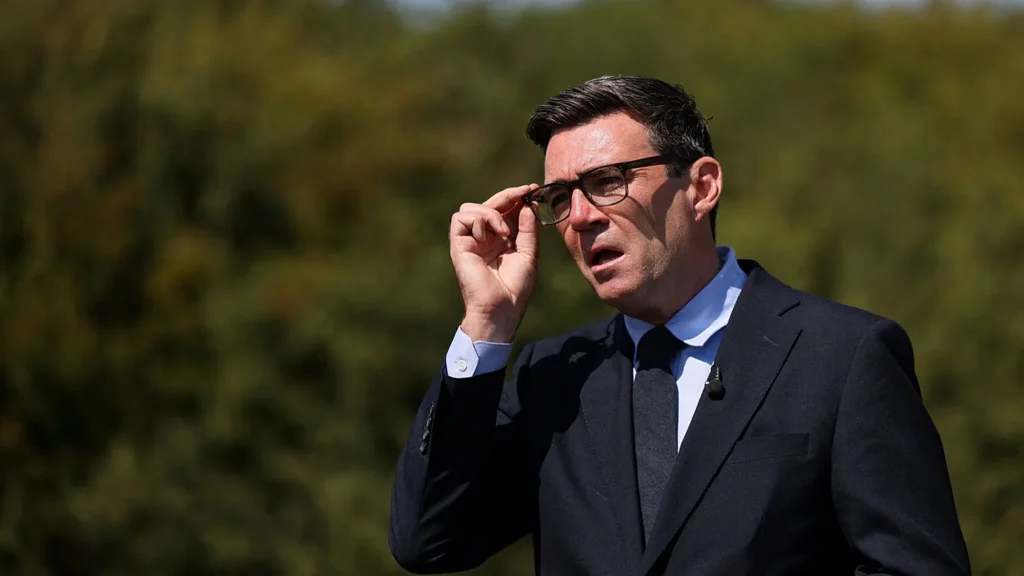
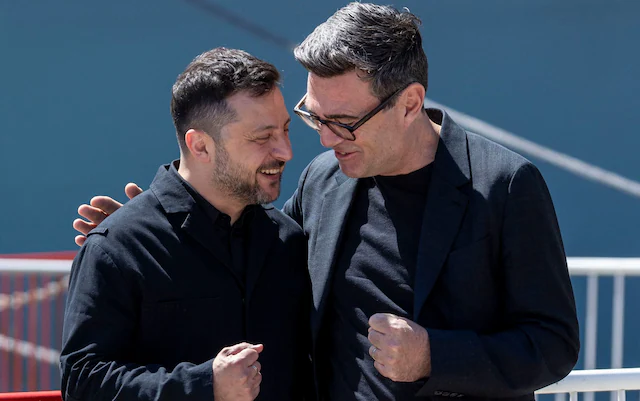
Burnham’s visit also carries strong diplomatic symbolism. Ukrainian President Volodymyr Zelensky was the first foreign leader to be welcomed to Downing Street after Burnham became Prime Minister in July, underlining the importance the new British government places on relations with Kyiv.
By making Ukraine his first foreign destination, Burnham appears keen to demonstrate continuity in British foreign policy while also establishing his own international credentials.
The visit also coincides with broader shifts in Russian-British diplomatic ties. Russia has acknowledged that its ambassador to the United Kingdom, Andrei Kelin, has resigned, but Russian officials have insisted that the move does not indicate a deterioration in bilateral relations.
Despite this assurance, relations between UK and Russia remain deeply strained, shaped by disagreements over sanctions, military support for Ukraine and the broader security architecture of Europe.
READ ALSO: Gvardiol’s Late Strike Ends Bournemouth’s 18-Games Unbeaten Streak