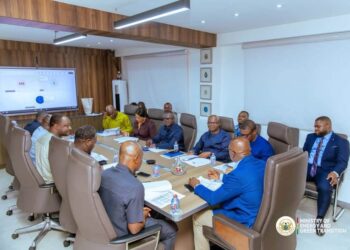
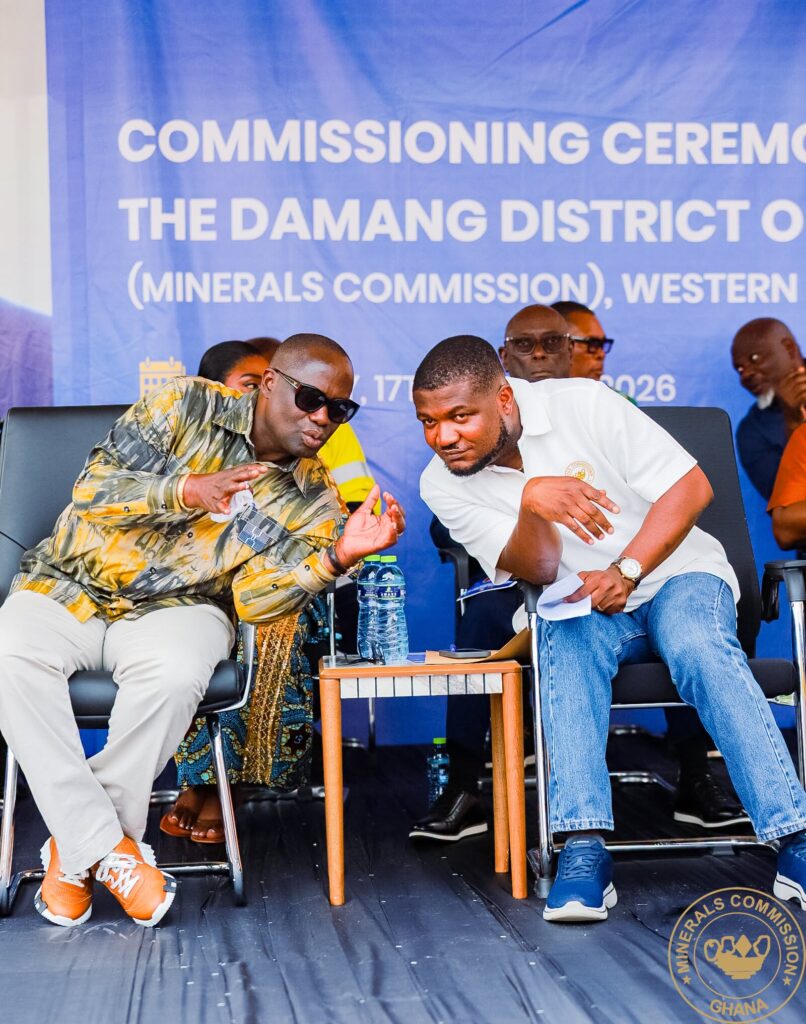
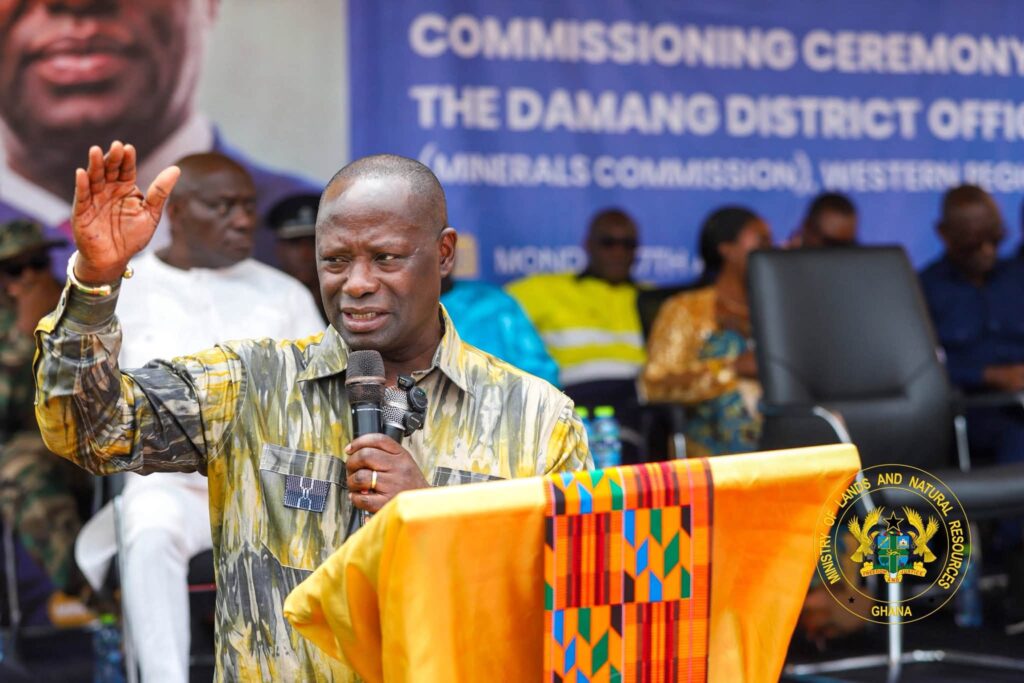
Hon. Frank Amoakohene, the Ashanti Regional Minister, has officially joined state officials, traditional authorities, and key mining industry stakeholders in Kumasi to commission the newly constructed regional office of the Minerals Commission.
The state-of-the-art facility is positioned as a critical administrative hub aimed at enhancing regulatory oversight, accelerating operational efficiency, and deepening institutional governance across the natural resources landscape of the region and the broader middle belt.
“Under the direction of His Excellency President John Dramani Mahama, this Government has chosen to continue and complete worthwhile projects inherited from the previous administration, because public projects are not the property of political parties or individual governments. They are investments made in the interest of the Ghanaian people. This sets an important precedent for our democracy.”
Hon. Frank Amoakohene
Expanding on the strategic impact of the project, the newly inaugurated infrastructure brings essential regulatory services closer to local mining communities, industry players, and traditional leaders.
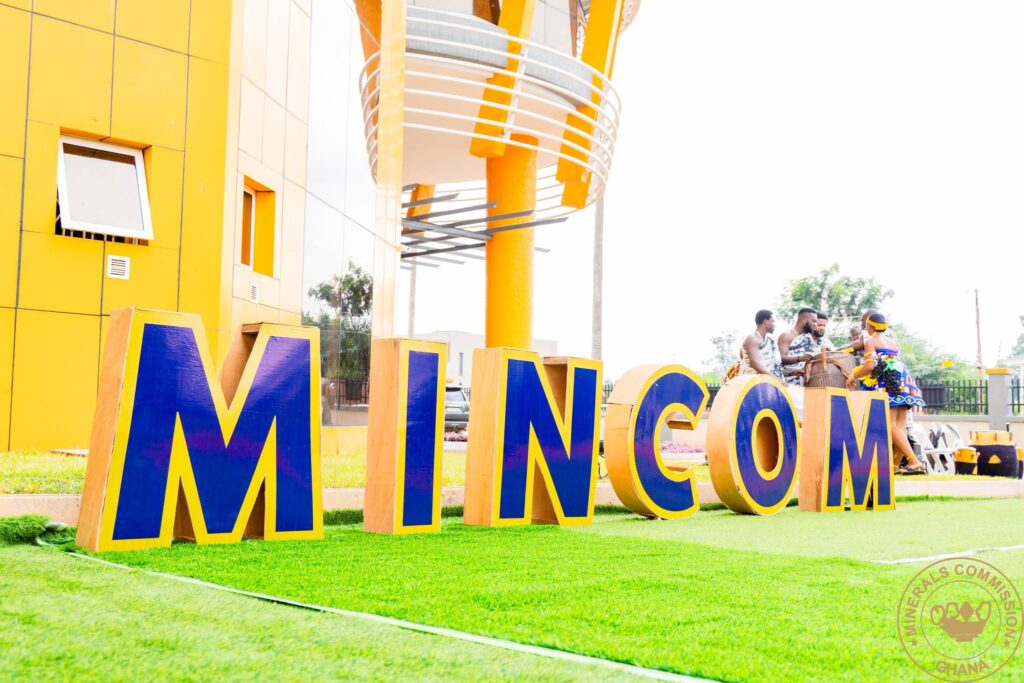
By decentralizing administrative functions away from Accra, the modern facility is equipped to streamline licensing processes, enforce statutory compliance, promote responsible small-scale mining, and foster sustainable environmental practices.
Beyond its physical assets, the completion of the project under the administration of His Excellency President John Dramani Mahama underscores an executive commitment to non-partisan governance, ensuring that public resources invested by previous administrations are brought to fruition for the ultimate benefit of the nation.
Policy Continuity and Political Precedent in Public Sector Delivery
The commissioning of the Kumasi infrastructure serves as a practical demonstration of governance continuity, establishing a precedent for how incoming administrations ought to treat inherited state projects.
Public resource allocation demands that strategic national assets remain insulated from electoral shifts and political transitions.
When successive governments prioritize project execution over partisan considerations, institutional stability is reinforced, capital waste is minimized, and public confidence in state agencies is sustained.
This pragmatic approach directly addresses long-standing challenges in public infrastructure management, where abandoned projects historically resulted in lost public revenue and stalled regional growth.
By taking ownership of inherited projects that carry national merit, current sector leaders demonstrate that developmental consistency must supersede political expediency.
Furthermore, honoring legacy commitments reinforces democratic maturity. It sends a strong signal to investors, international partners, and civil society organizations that Ghana’s administrative apparatus respects continuous institutional development, ensuring that long-term strategic investments reach complete operational capacity regardless of political shifts.
Strategic Role of Modern Infrastructure in Natural Resource Governance
The Ashanti Region remains a central pillar of Ghana’s extractive economy, harboring vast gold deposits and extensive artisanal, small-scale, and large-scale mining operations.
Establishing a modern administrative hub within Kumasi provides the Minerals Commission with real-time operational capacity to tackle illegal mining, manage regulatory compliance, and handle land-tenure issues in close proximity to active concessions.
Modernized physical infrastructure enhances data collection, field monitoring, and environmental protection enforcement.
Equipping regional officers with updated tools allows for prompt site inspections, swift conflict resolution between concession holders and host communities, and seamless coordination with traditional leaders (“Nananom”) to safeguard local ecosystems.
Such physical capacity also strengthens revenue accounting and formalization efforts across the small-scale mining sector.
Bringing technical expertise closer to operators facilitates education on safe extraction methods, legal compliance, and environmental restoration, transforming small-scale ventures into sustainable economic drivers.
Socio-Economic Impact and Sustainable Extractive Growth in the Middle Belt
Beyond internal agency operations, the regional headquarters acts as a catalyst for local economic transformation.
Decentralized regulatory approval mechanisms eliminate costly travel to the national capital for legal miners, small business operators, and prospective investors.
This improved ease of doing business encourages legal compliance and formalization across informal extractive operations.
The economic benefits of effective mineral administration extend directly into local host communities. Clear pathways emerge for informal miners to secure legal operations, access safety training, and adopt sustainable extraction protocols.

Concurrently, enhanced regional monitoring helps safeguard vital water bodies, farmlands, and forest reserves from illegal environmental degradation. Traditional authorities and civil society groups also gain direct access to participate meaningfully in resource management dialogues.
Ultimately, the newly commissioned Minerals Commission office represents a major step forward for extractive sector management.
By pairing modern administrative facilities with a commitment to governance continuity, the state ensures that public investments translate into sustainable, long-term socio-economic progress for the people of the Ashanti Region and the entire nation.
READ ALSO: Bagbin Refers Two Ministers, Three Supreme Court Nominees for Vetting