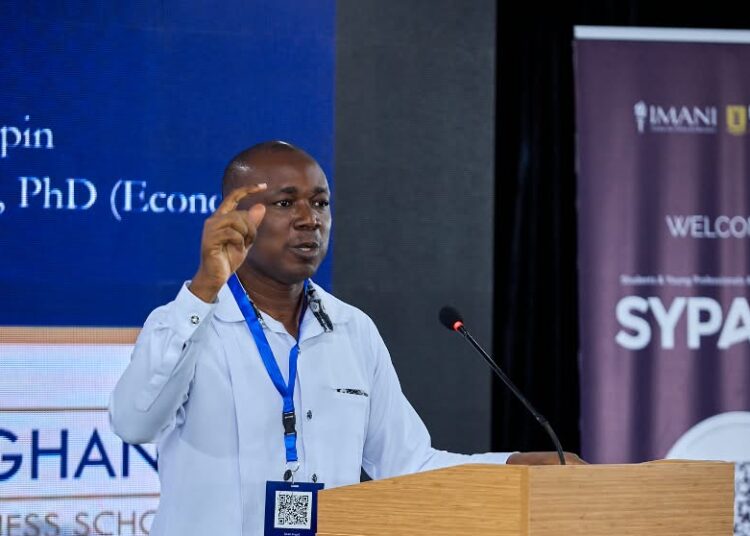
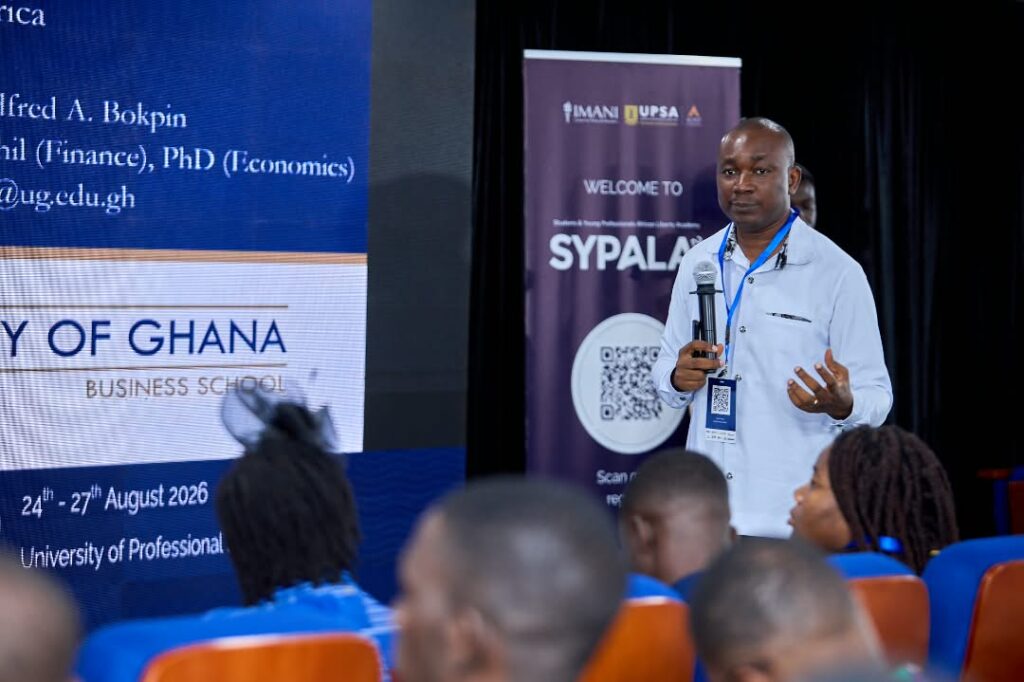
Professor Godfred A. Bokpin of the University of Ghana Business School has called on Ghana and the rest of Africa to shift decisively from exporting raw commodities to adding value to them, arguing that the continent captures only a fraction of the wealth its resources generate precisely because it sells them unprocessed.
Speaking at SYPALA 2026 under the theme “Resilient Economies,” Professor Bokpin used cocoa as his central illustration, telling participants that Ghana earns less than 10 percent of a global cocoa value chain worth more than $100 billion, a gap he said reflects a structural failure to move beyond raw commodity exports rather than any lack of natural endowment.
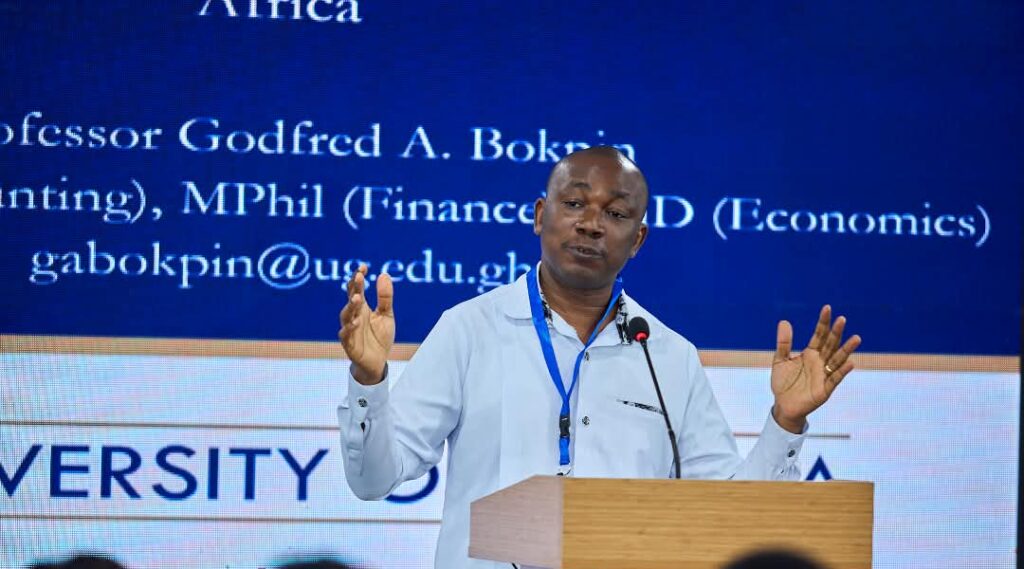
Professor Bokpin framed value addition as the mechanism through which economies actually generate wealth. “The world thrives on margins,” he said. “You can only charge margins when you add value.”
He argued that raw commodity exports place a hard ceiling on potential earnings, using gold as a second example. “If you export raw gold, there’s a limit to how much profit you can make,” he said. “But if you add value, it’s in the process of value addition that you can charge margins, and that is where employment and innovation will come from.”
He said the pattern extends across the continent rather than being unique to Ghana. More than 70 percent of Africa’s export earnings, on average, remain driven by primary commodities, a structure he described as inherited rather than chosen and one that has persisted for decades after independence.
“Nothing Is Preached More and Practised Less”
Professor Bokpin was blunt about the gap between rhetoric and action on the subject.
“Nothing is preached more and practised less on the continent like adding margins, adding value,” he said, suggesting that policymakers routinely acknowledge the need for value addition without following through on the industrial and institutional changes required to achieve it.
He tied the path toward value addition directly to the quality of ideas a country generates, arguing that margins are not created through political conflict or online hostility. “The process of adding margins or adding value will not come from insulting one another,” he said. “It will come from idea generation.”
Professor Bokpin positioned value addition as the practical expression of a broader argument he made throughout his address about Africa’s inherited economic structure, one designed originally to supply raw materials to industrial economies elsewhere rather than to build domestic productive capacity.
He suggested that until African economies reorganise around processing and manufacturing their own resources, growth figures will continue to mask a economy that exports its most valuable opportunities before they are realised.
The cocoa figures he cited illustrate the stakes concretely for Ghana, the world’s second-largest cocoa producer.
A commodity chain worth over $100 billion globally, yielding less than a tenth of that value to the country that grows the crop, stood in his address as the clearest evidence that the country’s development challenge is not resource scarcity but economic design.
READ ALSO: No Country Has Developed on Natural Resources, Bokpin Pushes Idea-Driven Growth