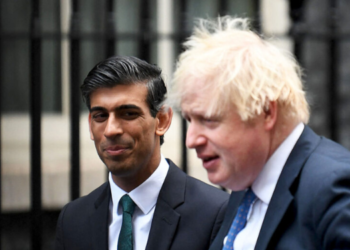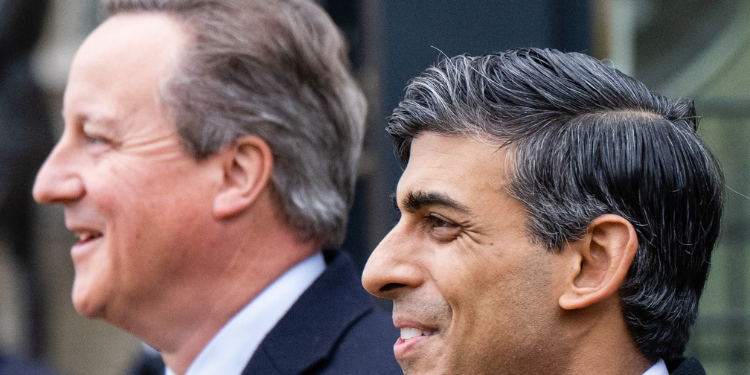
Former British Prime Minister David Cameron privately urged Rishi Sunak not to call the July 2024 general election, warning that the decision was premature and that the Conservative Party would have a better chance of retaining power if the vote was delayed, according to revelations contained in a new political biography.
The disclosure, contained in Sir Anthony Seldon’s book Sunak at 10, the Last Conservative PM?, offers a new account of the tense discussions inside Downing Street before Sunak announced the snap election that ultimately produced the Conservatives’ worst electoral defeat in the party’s history.
According to Seldon, Cameron, who was serving as Foreign Secretary in Sunak’s government at the time, told the Prime Minister that he was “wrong” to consider going to the country early. Cameron reportedly argued that Sunak’s economic policies were “finally” beginning to deliver results and that the Prime Minister had a responsibility to remain in office long enough for those measures to take effect.
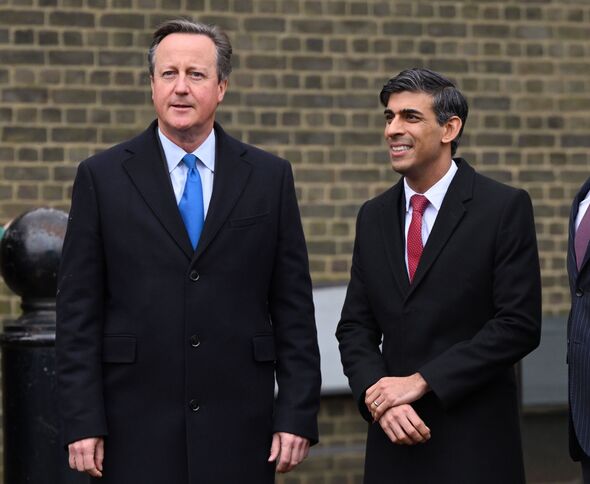
The revelation is significant because Cameron subsequently became one of the first senior Conservative figures to publicly endorse Sunak’s decision to call the election. Rather than revealing his private reservations, the former Prime Minister backed the decision and helped Sunak secure support within the cabinet.
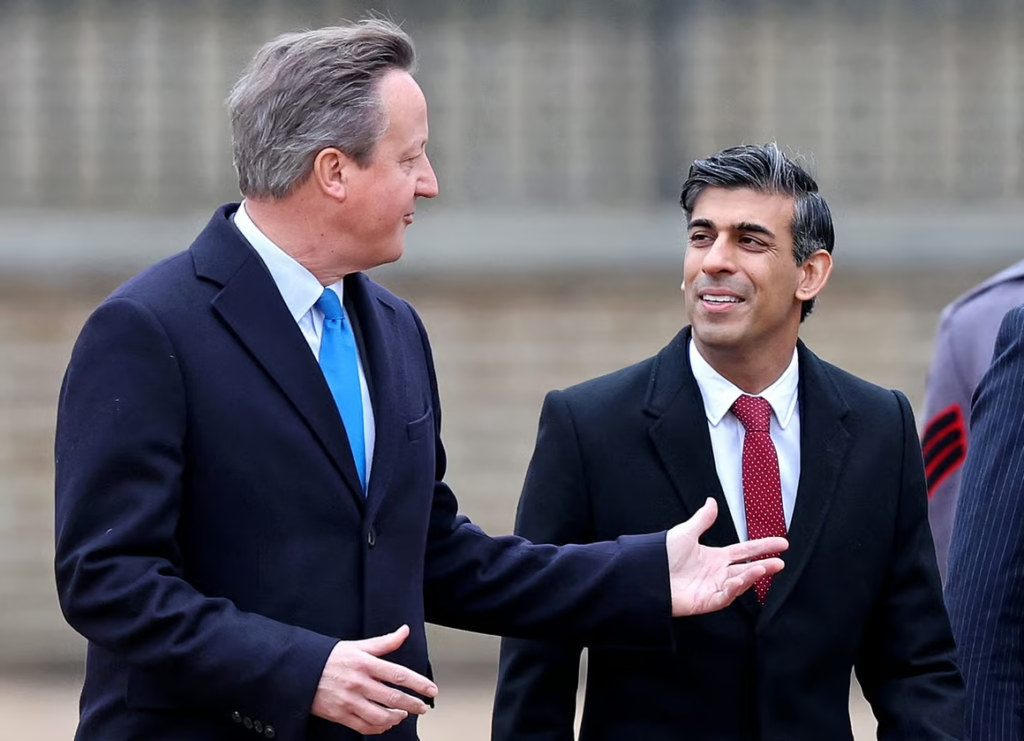
Sunak announced on 22 May 2024 that the general election would take place on 4 July, bringing forward an election that could otherwise have been held later.
The Prime Minister had the option of delaying the election until the following year, but ultimately decided that an early contest offered the Conservatives an opportunity to change the political narrative and narrow Labour’s advantage.
The gamble failed spectacularly. The Conservatives lost 251 seats at the election, suffering a historic collapse that ended 14 years of Conservative-led government. Labour, under Sir Keir Starmer, won a commanding parliamentary majority and returned to government, while the Conservative Party was reduced to one of its smallest parliamentary contingents in modern history.
The scale of the defeat subsequently fuelled concerns over whether the Conservatives could have performed better had Sunak waited until later in 2024 or into 2025 before calling the election.
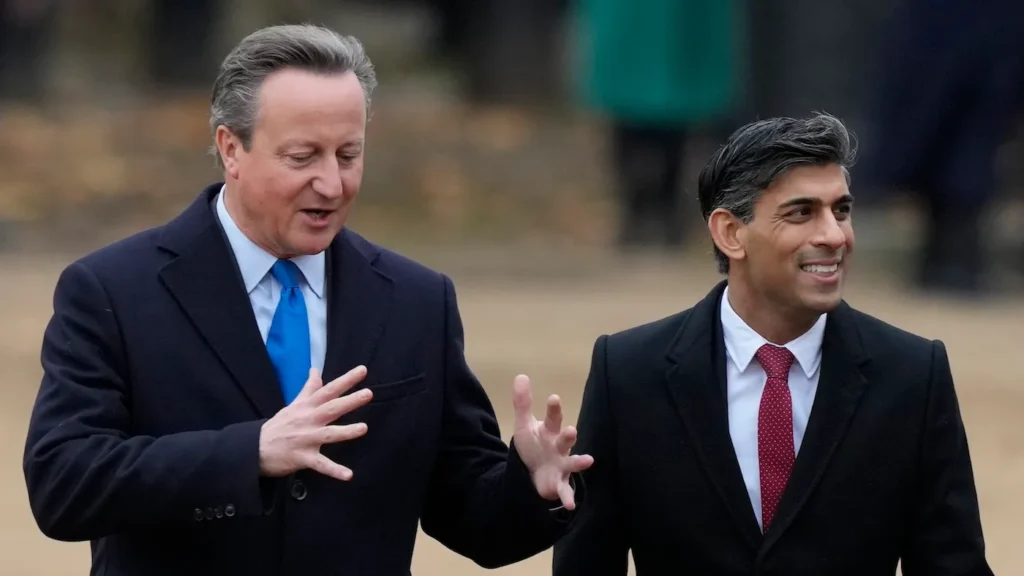
Seldon’s account suggests that Cameron was among those inside government who believed the Prime Minister should have waited.
The former Foreign Secretary had reportedly been asked by Sunak to help persuade other cabinet ministers to support an early election. Some Ministers were concerned that taking the country to the polls prematurely could result in a Conservative “wipeout.”
During the meeting described by Seldon, Cameron is said to have expressed his disagreement with Sunak’s proposed course of action but ultimately accepted that the final decision rested with the Prime Minister.
The episode illustrates the difficult position Cameron occupied within Sunak’s government. As a former Conservative Prime Minister with considerable political experience, Cameron remained an influential figure within the party despite having left frontline domestic politics years earlier.
Sunak’s Election Gamble Collapsed
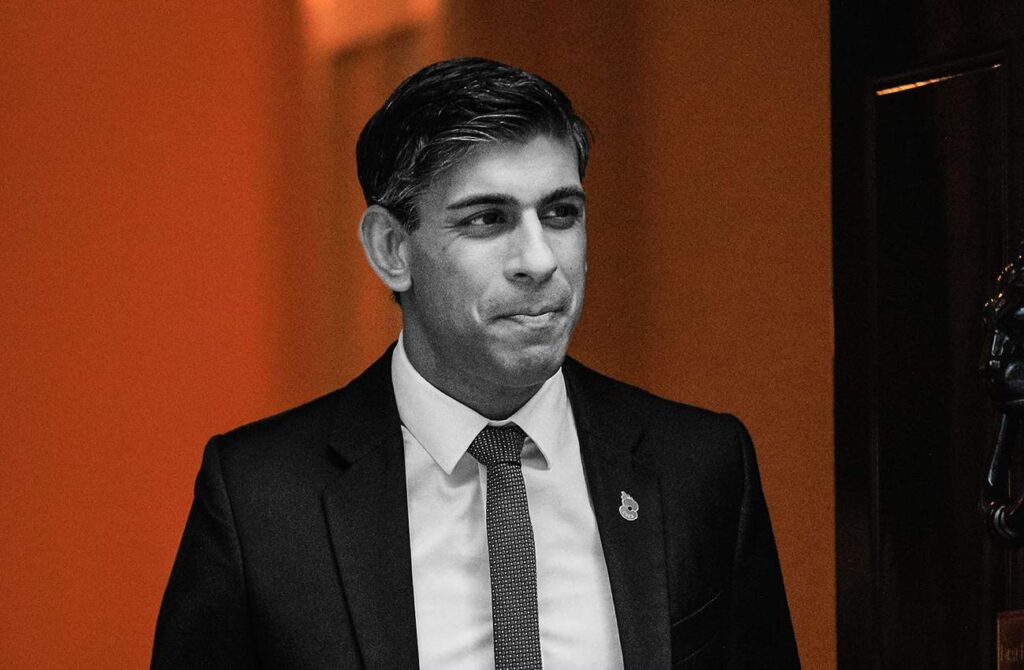
Sunak’s decision to call the election was initially presented as a calculated political gamble.
The Conservative government had pointed to improvements in several economic indicators and argued that its policies were beginning to stabilise the economy after years of political and economic turbulence. Sunak appeared to believe that an election could allow voters to assess those developments before opposition parties had more time to consolidate their advantage.
However, the announcement immediately created a difficult political environment.
Labour accused Sunak of “cutting and running,” arguing that the Prime Minister was calling an election before his government had delivered on several of its key promises.
The circumstances surrounding the announcement also contributed to an increasingly damaging campaign. Sunak stood outside Downing Street in heavy rain as he announced the election, an image that quickly became symbolic of a campaign that struggled to gain momentum.
Further controversies compounded the Conservative Party’s difficulties.
Sunak was criticised after leaving a veterans’ event in France marking the anniversary of D-Day earlier than expected, missing a gathering attended by other world leaders.
The Conservatives were also hit by a betting scandal after one of Sunak’s senior aides was accused of using confidential information from Downing Street to place a bet on the date of the election.
Meanwhile, the government was forced to abandon plans for anti-smoking legislation after it became clear there was insufficient parliamentary time to pass the measure before the election.
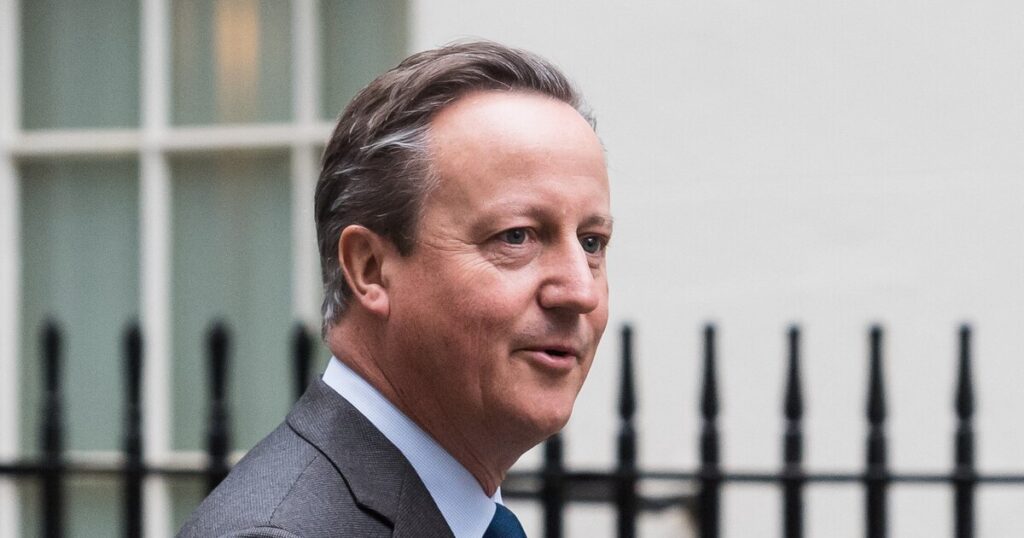
The cumulative effect was devastating. Instead of narrowing Labour’s advantage, the early election exposed the extent of Conservative voter dissatisfaction. Labour won a large parliamentary majority, while the Conservatives lost hundreds of seats.
READ ALSO: Kofi Bentil Pushes Free Markets, Economic Freedom to Drive Africa’s Development