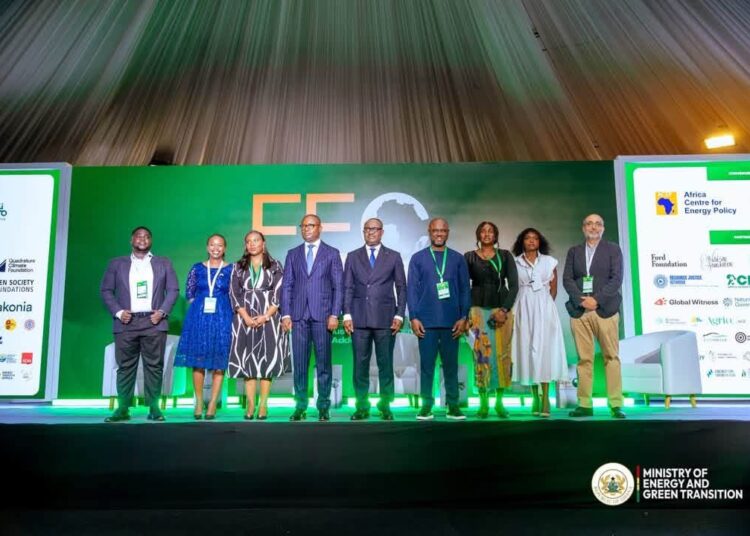
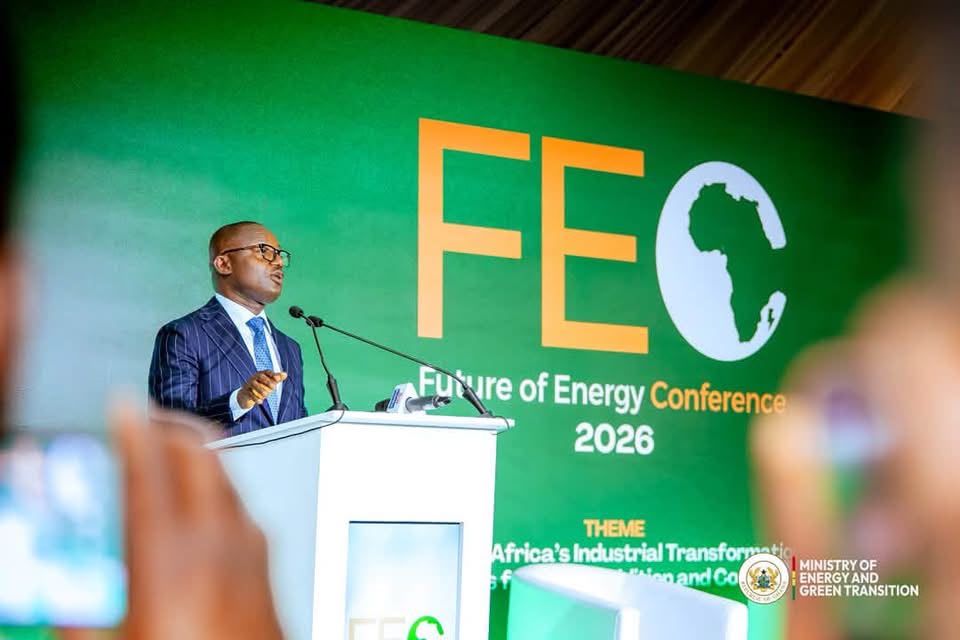
The Future of Energy Conference 2026 on Wednesday shifted its focus from diagnosing Africa’s energy constraints to identifying the capabilities, financing models and regional cooperation needed to build competitive African economies.
The second day of the Two-Day Conference in Accra followed extensive discussions on energy affordability, reliability, industrial competitiveness, financing and the energy transition on day one.
The conference, organised by the Africa Centre for Energy Policy (ACEP) under the theme “Powering Africa’s Industrial Transformation: Energy Systems For Value Addition And Competitiveness,” is examining how Africa can use its energy and natural-resource endowment to support economic transformation.
Opening the day Two Programme, Co-Host Charles Wangam said the previous day had established that Africa’s energy debate must move beyond electricity access towards the more strategic question of economic competitiveness.
He recalled ACEP Executive Director Benjamin Boakye’s warning that African economies cannot build global competitiveness on energy systems that remain expensive, unreliable or inadequate.
He also pointed to Energy And Green Transition Minister Dr. John Abdulai Jinapor’s emphasis on affordability and reliability, as well as ECOWAS bank President George Nana Agyekum Donkor’s focus on investment risk and the need to reconsider how energy infrastructure is financed.
According To Mr. Wangam, the financing question has become central to Africa’s industrial ambitions because conventional approaches are unlikely to deliver the scale of investment required.
“The old financing playbook will not be enough. We will need new instruments, better risk sharing and a willingness from investors, governments and development partners to take a different approach.”
Charles Wangam
He said Day Two would therefore move from diagnosis to solutions, with discussions focused on value addition, regional integration, green industrialisation and the capabilities Africa needs to compete in a changing global industrial order.
The Day Two Programme includes a keynote by UNECA Economic Affairs Officer Dr. Marit Kitaw, a plenary on powering value addition through competitive industrial value chains, discussions on the emerging global industrial order, the West African Power Pool, women and industrial transformation, and the capabilities required to compete in the clean energy economy.
The conference programme also includes discussions on financing green industrialisation, mineral value addition, methane management and green technology innovation.
From Resources To Productive Capacity
A recurring concern entering the second day was that Africa’s resource wealth has not translated sufficiently into domestic productive capacity.
Mr. Wangam said the continent possesses significant mineral and renewable-energy resources, but resource ownership alone does not guarantee industrial development.
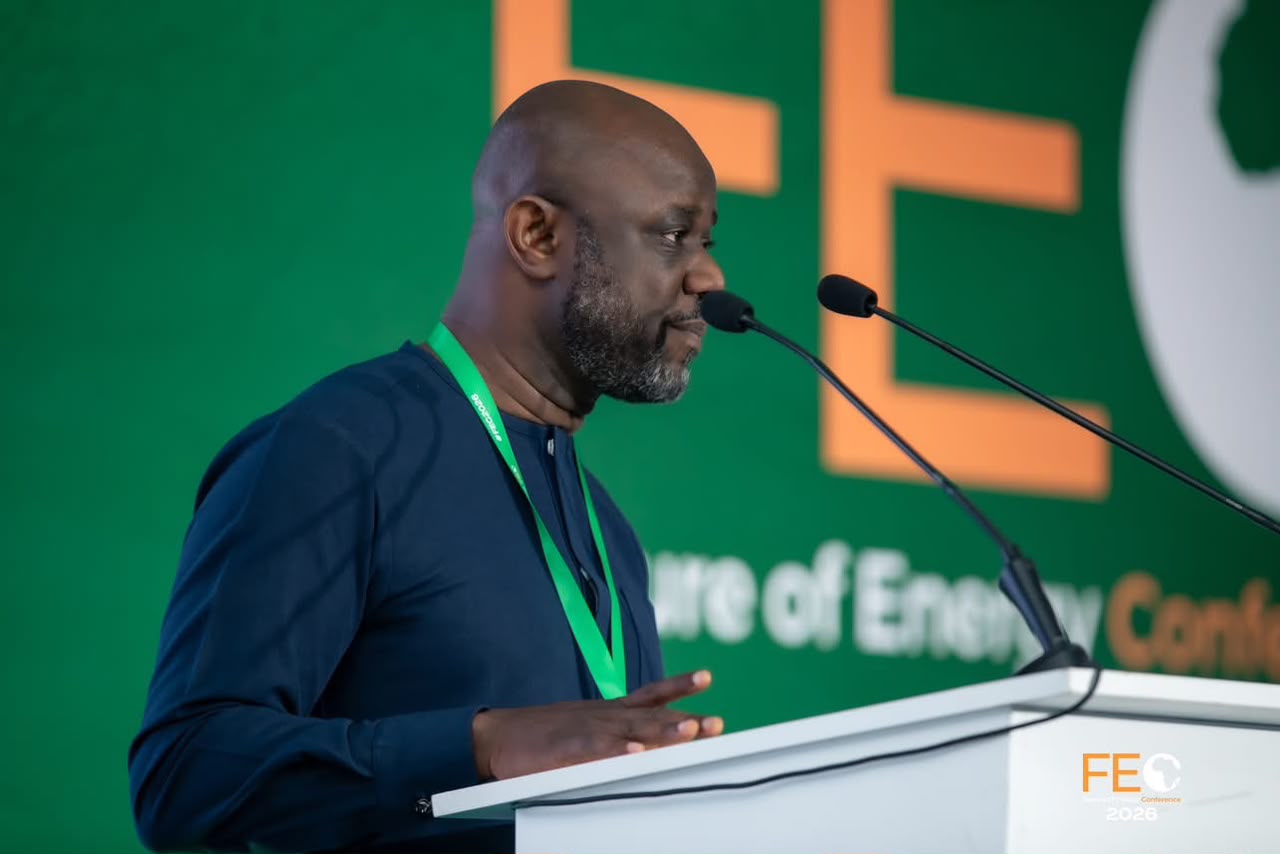
“Africa has the minerals. We have enormous renewable energy potential. But having those resources is not the same as having The industrial capabilities to turn them into competitive economies.”
Mr. Wangam
That gap between resources and capabilities is expected to remain a major focus of the day two discussions.
The conference is therefore examining whether Africa can use the energy transition not simply to replace existing energy technologies, but as an opportunity to build new industries, including electric-vehicle assembly, battery production, green manufacturing and related supply chains.
Energy And Industrial Policy Must Converge
Mr. Wangam also recalled the argument from day one that energy policy is industrial policy, highlighting the growing recognition that decisions about electricity generation, gas, transmission, renewable energy and energy pricing directly affect the competitiveness of African industries.
This is particularly relevant as countries seek to process more of their minerals domestically rather than exporting raw materials.
The conference is consequently moving the conversation from how much energy Africa can generate to the more difficult question of whether the energy system can deliver power at the right price, reliability and scale for productive sectors.
That distinction is important for industries such as mining, metals processing, manufacturing and technology, where electricity can represent a significant component of operating costs.
Energy Justice Remains Central
Emmanuel Kuyule, of Ford Foundation, Speaking On Behalf Of Conference Partners, Added A Social And Justice Dimension To The industrialisation debate.
He warned against measuring energy transformation solely through megawatts, investment volumes or infrastructure delivered.

“True industrial transformation is not measured by megawatts or capital expenditure alone. It is measured by how well it dismantles the historical structures of exclusion.”
Emmanuel Kuyule, Ford Foundation
He called for greater attention to who benefits from energy investments, who bears their costs and which communities may be left outside emerging energy and industrial value chains.
He also raised the possibility of greater community ownership of renewable energy systems, arguing that decentralised models could help address some of the structural weaknesses associated with highly centralised energy systems.
The broader objective of the conference, he said, should therefore be to ensure that Africa’s energy transformation does not reproduce existing patterns of exclusion.
From Diagnosis To Action
The shift in emphasis on Day Two reflects the central question confronting the conference: How Does Africa Convert Energy And Natural Resources Into Competitive Economic Value?
For ACEP, the answer increasingly lies in connecting energy policy with industrial strategy, financing, regional integration, skills and local enterprise development.
The discussions are expected to feed into the conference communique and provide recommendations for policymakers, investors, development partners, industry and civil society.
As Mr. Wangam put it:
“Yesterday, we named the problems with clarity and honesty. Today, our task is to be just as honest about the solutions and bold enough to commit to what need to change.”
READ ALSO: Pakistan Hospital Fire Kills 14 Newborns