The Association of Ghana Industries (AGI) has warned that high energy costs are undermining the competitiveness of Ghanaian businesses, making the shift to solar energy critical for survival.
According to the Association, energy remains one of the top cost drivers for industry, and businesses that are able to cut their energy bills and can significantly improve productivity and compete better both locally and internationally.
Speaking to the media on the side lines of the launch of the BisaConnect Platform in Accra, the Chief Executive Officer of AGI, Seth Twum-Akwaboah, said energy costs consistently rank among the major challenges cited by businesses in the AGI Business Barometer.
“One of the key elements in cost is energy, and the energy bit is so critical because if you’re able to reduce cost of energy, you can become more competitive.”
Mr. Twum-Akwaboah
Business Interest in Solar Growing, But Barriers Remain Mr. Twum-Akwaboah noted that many businesses are now showing interest in solar as an alternative or supplementary source of power to reduce dependence on the national grid and cut costs.
However, he said two major challenges which are technical uncertainty and lack of financing which continues to prevent many potential solar projects from materializing. He explained that many business owners do not know who to contact when they decide to invest in solar, while others are unsure whether proposals presented to them are technically sound and financially viable.
“What we have done is to develop this platform where interest from members, interest from businesses can be registered and say, I want to do solar, but whom do I contact?”
Mr. Twum-Akwaboah
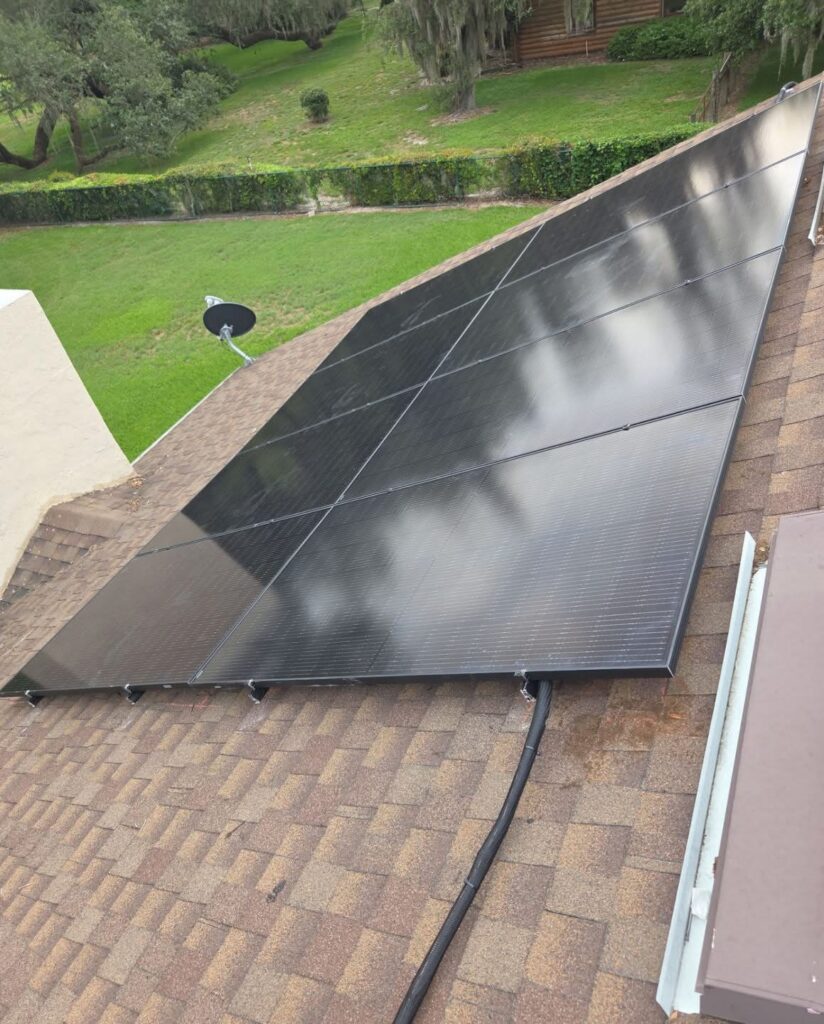
According to him, the solar space is highly technical and requires expert assessment. Without the right expertise, businesses risk investing in systems that do not deliver the expected return on investment.
“There are so many people who say we can provide solar consultancy services, we can do installations, but the fact is that it’s a very technical one. If you don’t get it right, you may not get the kind of results and investments on return or return on investment that we have made.”
Mr. Twum-Akwaboah
Bridge Gap Between Demand, Expertise and Capital
To address these challenges, AGI through its Energy Service Centre has developed the Bisa connect platform to serve as a one-stop marketplace that connects businesses seeking solar solutions to credible service providers and financial institutions.
The platform will provide businesses with access to certified consultants and installers, as well as financiers who have developed products specifically for renewable energy investments.
A key feature of the platform is support for feasibility studies and a critical step that helps businesses determine whether a proposed solar project is commercially viable. Mr. Twum-Akwaboah disclosed that the cost of these feasibility studies is being subsidized by Swisscontact, making it easier for companies to take the first step.
“I know they contribute more than 50% of the cost of doing the feasibility study. So, that for me is a major game changer for companies that want to go into solar.’’
Mr. Twum-Akwaboah
He explained that once a feasibility study confirms viability, businesses can present the technical and financial evidence to banks and other financial institutions to secure full financing for the project, with repayment structured around their regular cash flows.
“You can actually get financial institutions to finance your whole solar project, and then you pay gradually from your regular cash flows.’’
Mr. Twum-Akwaboah

Information Gap Hindering Investment Manager
Renewable Energy at Swisscontact Ghana, Kofi Anim Ayeko, said the challenge facing renewable energy adoption goes beyond access to capital. He pointed to information gaps, limited trust in technical assessments, and difficulties in identifying credible service providers as major constraints creating a disconnect between businesses, technical experts, and financiers.
Mr. Ayeko said. He described as Ghana’s first inclusive solar e-marketplace and renewable energy investment-readiness platform, designed to reduce investment risk and improve transparency in the sector.
According to him, by bringing all key players in the renewable energy ecosystem onto a common platform, the initiative will make it easier for businesses to move from interest in solar to actual investment decisions backed by credible data.
The initiative forms part of Swisscontact’s broader support for Ghana’s green economy and aims to strengthen the market for renewable energy by improving linkages between businesses, service providers, and financial institutions.
For AGI, the ultimate goal is to accelerate industrial adoption of solar as businesses seek sustainable ways to contain energy costs. Mr. Twum-Akwaboah expressed concern that despite Ghana’s renewable energy ambitions, actual uptake by industry remains low.
He expressed optimism that with improved financing models, subsidized feasibility support, and easier access to credible technical expertise through platforms like BisaConnect, more businesses will transition to solar and enhance their competitiveness.
READ ALSO : BoG Freezes GH¢13.46bn From Banking System