The constitutional review process requires broader public consultation, as questions remain about how ordinary Ghanaians will participate before proposed changes reach the final stages.
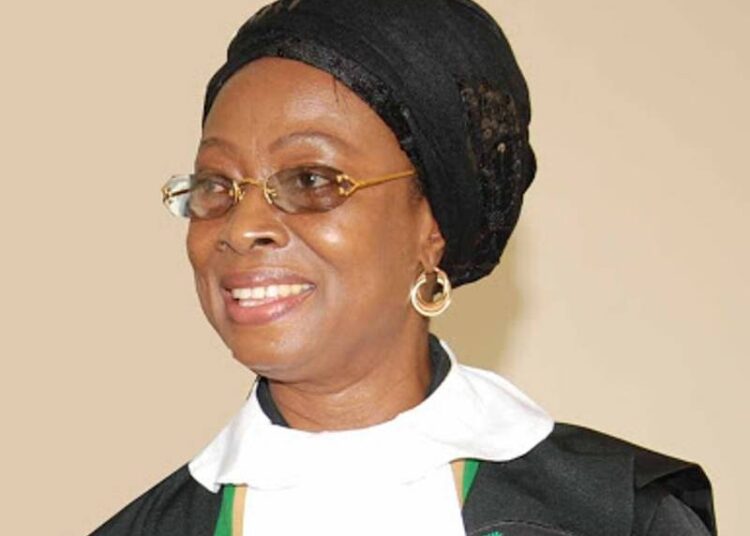
Her ladyship Sophia Akuffo, the Former Chief Justice, raised the issue during a press conference organised by the Institute of Economic Affairs Ghana, arguing that the process currently lacks a clearly defined methodology and timeline.
The Former CJ acknowledged that there are established approaches that can guide a constitutional review, but stressed that Ghana needs a process that actively involves citizens across the country. She noted that although government had established a committee which produced recommendations and later issued its response, the subsequent creation of an implementation body had left unanswered questions about what exactly would be implemented.
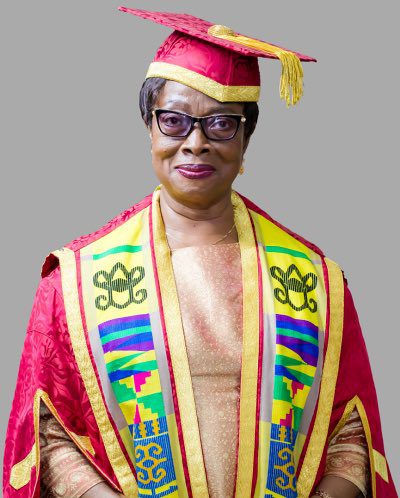
“I still say there’s a gap. There has to be more broad consultations than there has been.”
Her ladyship Sophia Akuffo
Her ladyship also questioned the role being assigned to the National Commission for Civic Education in communicating the constitutional review process to citizens. She argued that public announcements through television and other platforms cannot automatically guarantee that people in remote communities have received sufficient information or been given meaningful opportunities to express their views.
The Former Chief Justice pointed to the extensive consultations that preceded the adoption of the 1992 Constitution as an example of the level of public engagement she believes the current process requires. She explained that the earlier exercise took considerable time and involved wider engagement before the constitutional framework was finalised, making it important to avoid rushing the present review.
Her ladyship further challenged the suggestion that a referendum alone would provide adequate public participation in the review process. She observed that referendum questions generally require voters to choose between options, leaving limited room for the detailed debate and discussion that should precede such a decision.
The Former CJ therefore called for greater clarity on the arrangements that will allow citizens to engage with the implementation commission before its proposals are presented. She stressed that meaningful participation should allow citizens to understand the proposals, discuss them and express their views before the country reaches the referendum stage.
Judicial Removal Process Lacks Transparency And Proper Process
Reforms to Ghana’s judicial administration should establish clearer procedures for disciplining judges and removing senior judicial officers, according to former Chief Justice Sophia Akuffo.
Her ladyship argued that the constitutional framework governing the removal of judges and other senior public officials requires significant reconsideration. The Former CJ described the existing procedure as outdated, particularly because it does not provide sufficient transparency or a clearly defined process for handling disciplinary matters.
She explained that the problem extends beyond the office of the Chief Justice and affects the wider judicial administration, including situations involving ordinary Superior Court judges. “There’s so much lack of transparency and so much lack of proper process,” she explained.
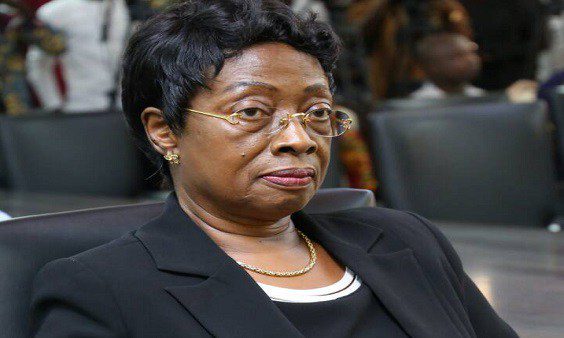
Her ladyship argued that judicial discipline should not always have to move immediately towards removal when an alleged misconduct does not reach the threshold for such a serious sanction. She proposed a system of intermediate disciplinary measures that could allow authorities to deal appropriately with less serious breaches while protecting the independence and rights of the judicial officer involved.
The Former Chief Justice noted that suspension could sometimes become necessary, but questioned the legal basis on which such an action would be taken under the existing framework. She warned that if a judge challenged a suspension in court, the absence of a sufficiently clear legal procedure could create difficulties for the authorities responsible for administering the sanction.
Her ladyship distinguished disciplinary matters from cases involving criminal conduct, explaining that where a clear criminal offence has been committed, the appropriate route should involve criminal proceedings. She indicated that constitutional removal procedures should not become a substitute for criminal prosecution when the conduct in question clearly falls within the criminal law.
The Former CJ also declined to reopen the circumstances surrounding the removal of her former colleague, saying she had already made her position known on the matter.
“It is an outcome I completely abhor, and I’ve made my position quite clear on that,” she declared. She stressed that Ghana now has a new Chief Justice who has assumed responsibility for the judiciary and should be allowed to carry out the duties of the office.
Her ladyship’s broader argument, however, centres on the need for a credible disciplinary framework that distinguishes between different levels of misconduct. She believes such a system would provide clearer safeguards for judges while ensuring that genuine disciplinary breaches can be addressed without relying on procedures that do not adequately define the applicable sanctions.