The Ghana National Association of Small-Scale Miners (GNASSM) has fiercely pushed back against the Ministry of Lands and Natural Resources, accusing the state of deliberately pushing miners into illegal mining, locally known as “galamsey,” through crippling administrative bottlenecks.
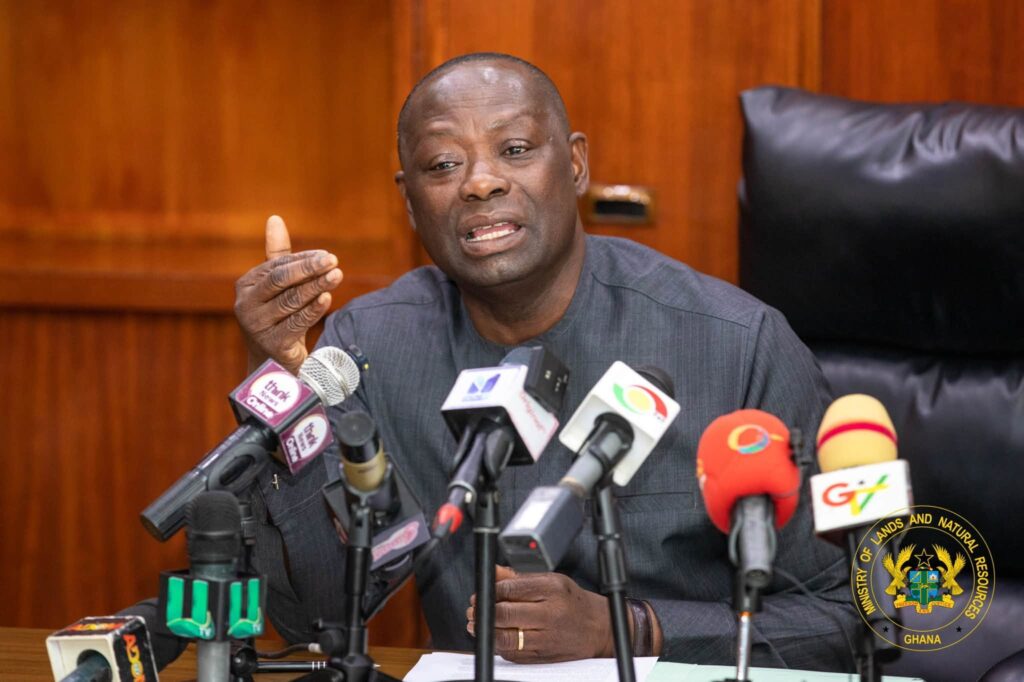
GNASSM Ashanti Chapter Secretary, Michael Adu-Gyamfi made comments in reacted to the recent comments by the Deputy Lands Minister regarding unreclaimed mining sites, exposing a three-year administrative freeze on mining permits and warning that criminalizing artisanal operators while withholding their legitimate operational licenses is a direct recipe for environmental degradation across mining communities.
“If you brand me a criminal, do you expect me to step out and reclaim the land only to get arrested on site? Stop treating us like outlaws. The real crime is sitting on license applications for over three years while outsiders with Accra-issued permits hijack local lands in Manso without community consent.”
Michael Adu-Gyamfi
Expanding on the association’s position, GNASSM revealed that the central government’s prolonged failure to approve pending applications has created an economic vacuum that forces law-abiding operators into illegal ventures to survive.

While legitimate local applicants wait indefinitely for documentation, regulatory bodies in the capital facilitate parallel access for non-local entities.
This severe delay, paired with aggressive state enforcement against indigenous miners, has completely undermined sustainable mining frameworks, effectively displaced local workers and fostering widespread anger across traditional extraction hubs.
Regulatory Bottlenecks and Community Discontent in Manso
The operational rift between regulatory authorities and local mining groups has reached a boiling point in major mining enclaves such as Manso, where indigenous miners face severe economic exclusion.
According to GNASSM, while local operators are subjected to endless vetting procedures and administrative delays in their pursuit of legal titles, external entities armed with permits issued directly from Accra frequently secure access to local mineral reserves without obtaining community consent.
This perceived double standard has disenfranchised host communities, fueling widespread resentment toward central regulatory bodies.
Furthermore, the threat of state arrest prevents formal small-scale operators from conducting necessary land restoration on former working sites.
When the state brands unregistered operators as outlaws without reviewing their long-standing permit applications, miners are forced to abandon abandoned pits unreclaimed out of fear of military apprehension.
The current enforcement model creates a paradox where miners who wish to fulfill environmental restoration duties are structurally deterred from returning to their concessions.
To resolve these recurring operational friction points, GNASSM has strongly urged government authorities to move away from centralized control.
The association maintains that the state must immediately decentralize the licensing architecture to municipal and district assemblies, enabling prompt processing of small-scale concessions alongside localized oversight.
The Imperative for Formalization Over Military Interventions
To permanently preserve Ghana’s endangered water bodies and forest reserves, a fundamental shift from state-sponsored security crackdowns to structured sector formalization is urgently required.
Historical evidence demonstrates that launching endless military operations has yielded minimal long-term results, as armed task forces only manage to temporarily disperse operators without addressing the root economic drivers of illegal mining.
When military personnel withdraw, mining activities immediately resume, leaving river basins and forest enclaves exposed to persistent environmental degradation.
Decentralizing the registration framework to local assemblies provides a sustainable remedy by integrating artisanal miners into the formal tax and regulatory net.
Bringing small-scale operators under municipal governance allows regulatory bodies to enforce mandatory environmental management plans, inspect operational sites regularly, and demand immediate land reclamation.
Local government monitoring ensures direct accountability, ensuring miners adhere to eco-friendly extraction techniques and turbidity standards for major water bodies.
Formalizing operators guarantees secure land tenure, giving miners a direct stake in protecting their concessions and surrounding forest reserves.
When miners possess legitimate licenses and enjoy legal protection, they are far more likely to invest in heavy equipment for land restoration and comply with environmental protocols.
Transitioning from punitive military interventions to localized formalization creates an effective regulatory ecosystem that balances economic livelihoods with strict environmental preservation.
Re-engineering Small-Scale Mining Governance for Sustainable Extraction
Addressing the galamsey crisis demands an immediate overhaul of Ghana’s mineral licensing bureaucracy to restore trust between state regulators and small-scale operators.
Eliminating multi-year application backlogs, ending centralized permit issuance, and empowering local assemblies are necessary steps toward building an equitable mining regime.
By choosing administrative formalization over military enforcement, Ghana can protect its critical water bodies and forest reserves while sustaining the livelihoods of thousands of local miners across the nation.
READ ALSO: NDC To Zakaria: Withdraw Chairmanship Bid Or Face Disqualification