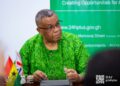
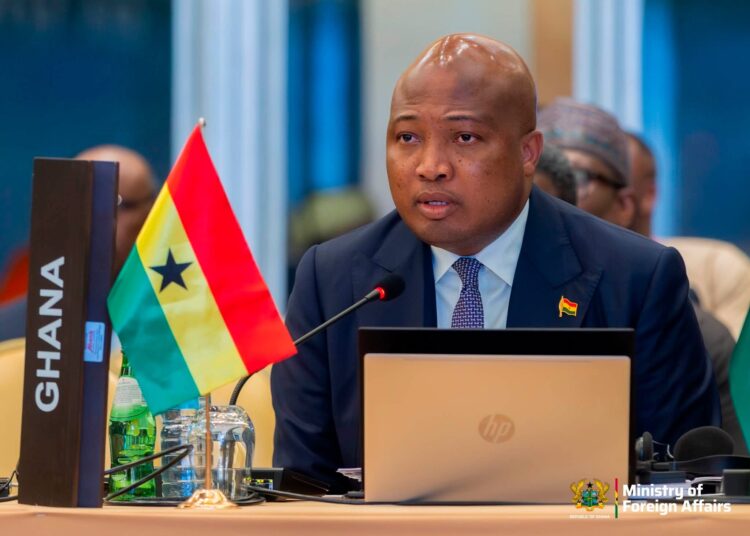
Media Foundation for West Africa Executive Director Sulemana Braimah has publicly commended Foreign Minister Samuel Okudzeto Ablakwa for what he described as consistent transparency and accountability in government, citing the Ministry of Foreign Affairs’ handling of a Right to Information request and its response to a recent Fourth Estate investigation as evidence.
Mr Braimah framed his commendation around a distinction he said matters more than rhetoric. In opposition, Hon Ablakwa consistently used his position as an MP to demand transparency and accountability from those in power.
What impressed Mr Braimah, he said, is that as Foreign Minister, Hon Ablakwa appears determined to uphold those same standards now that he sits inside government rather than outside it.
An RTI Request Answered in Full
Sulemana Braimah grounded his assessment in MFWA’s own direct experience with the Ministry. In April, the organisation submitted Right to Information requests to nearly all government ministries, seeking details of their budgetary allocations and actual disbursements from 2022 to 2025.
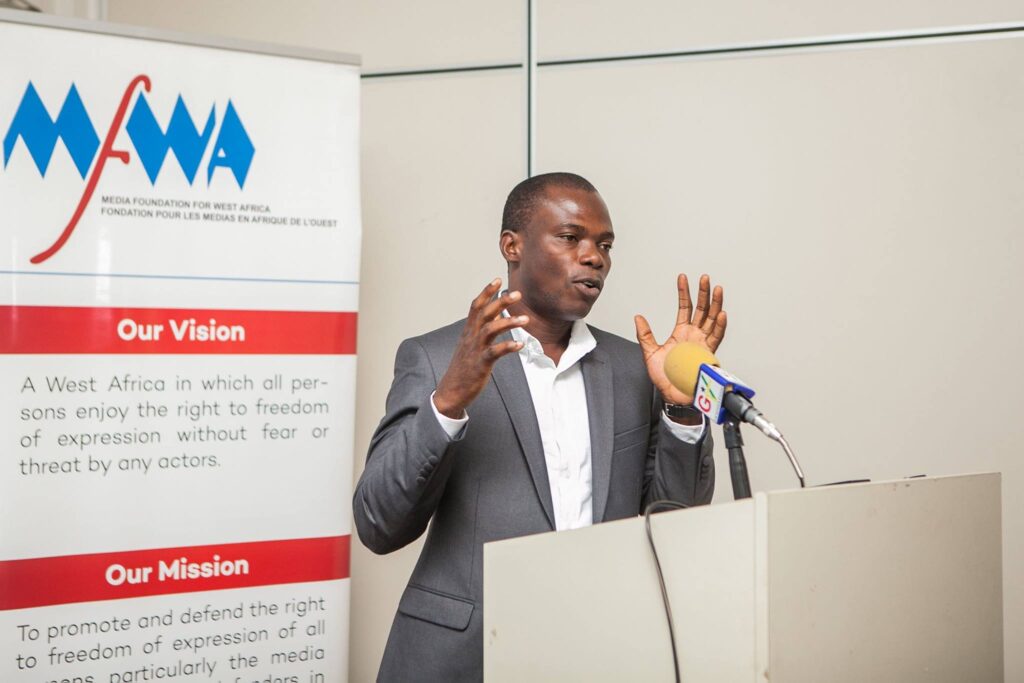
The Ministry of Foreign Affairs was among the first to acknowledge the request and subsequently provided the information, going beyond what MFWA had originally asked for by supplying a more detailed breakdown.
Mr Braimah noted that the same responsiveness has not been universal across government. Several other ministries have still not provided the information MFWA sought, despite follow-ups and direct RTI appeals sent to the ministers responsible, a contrast he drew deliberately to highlight the Foreign Ministry’s conduct as the exception rather than the norm.
Open Doors During The Fourth Estate’s Investigation
Mr Braimah pointed to a second example centred on the recent undercover investigation by The Fourth Estate into allegations of extortion involving attestation endorsements at the Foreign Ministry.
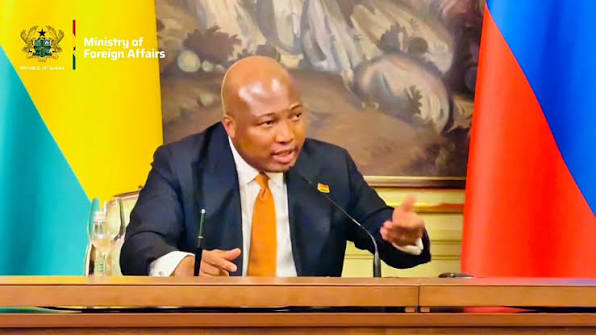
He said the Ministry did not shut its doors or avoid questions from journalists during that process. An interview request received a prompt response, and senior officials at the Ministry granted the interview and provided detailed explanations rather than deflecting scrutiny.
He said the Ministry’s conduct after publication reinforced the same pattern. Following the story’s release, the Ministry publicly responded, explained the developments and outlined measures being taken to address the problem. “No long excuses, no denials of what is a reality,” Mr Braimah said. “That is how public institutions should respond to scrutiny.”
The Real Test Is in Government, Not Opposition
Mr Braimah framed his broader argument around a principle he said applies to every political actor, not specifically to Hon Ablakwa. “Transparency is easiest to preach when in opposition,” he said. “The real test comes when you are in power, and the questions are directed at you and the institution you lead.”
He was careful to note that his commendation was not a claim that the Foreign Ministry operates without flaws. “No institution will be without problems,” he said. “What matters is whether leaders acknowledge problems, open themselves to scrutiny and act to address them.”

That standard, he argued, is what the Ministry’s recent conduct had demonstrated in practice rather than merely in statements. Mr Braimah closed with a hope that Ablakwa’s conduct would not remain an isolated case within government.
“May this approach continue under Minister Ablakwa and may it become the norm rather than the exception across government,” he said, closing his statement with direct praise for the minister. “Kudos, Honourable Minister.”
READ ALSO: New Economy Consultations Shift Ghana’s Focus From Stability to Production