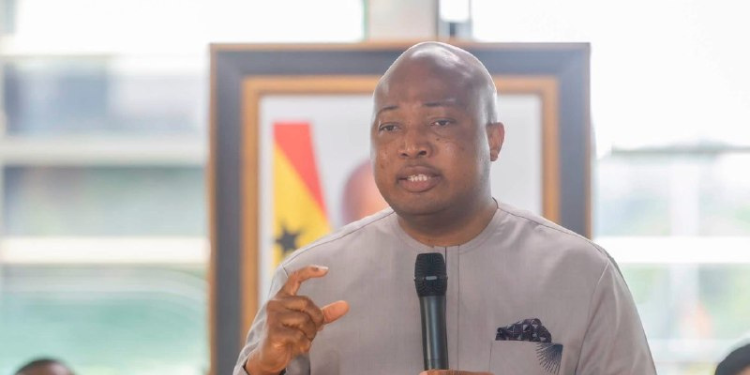
Ghana’s government has concluded its evacuation exercise for citizens affected by xenophobic attacks in South Africa, with Foreign Affairs Minister Samuel Okudzeto Ablakwa announcing that the final group of evacuees had arrived home, bringing the total number of Ghanaians repatriated to about 1,900.
The final batch of 41 returnees landed in Accra last night, closing out a second phase of evacuations that covered roughly 1,000 Ghanaians and marking the end of an operation the Ministry of Foreign Affairs coordinated over several months since it began in May 2026.
Two Phases, Nearly 2,000 Ghanaians Brought Home
Hon Ablakwa confirmed that the evacuation had unfolded in two distinct stages. The first phase, conducted in May and June, returned 979 people across three separate flights. Following a pause, Ghanaian authorities launched a second stage in July, targeting approximately 1,000 additional citizens who had voluntarily registered to return.
With Friday’s final group, that second phase concluded, bringing the combined total across both stages to about 1,900 Ghanaians.
Hon Ablakwa framed the achievement as a collective national effort rather than a government undertaking alone. “We achieved this together as Ghanaians,” he said. “Our message is clear: we value the lives of Ghanaians everywhere in the world, and no Ghanaian will be abandoned in harm’s way.”
Comprehensive Support for Returnees
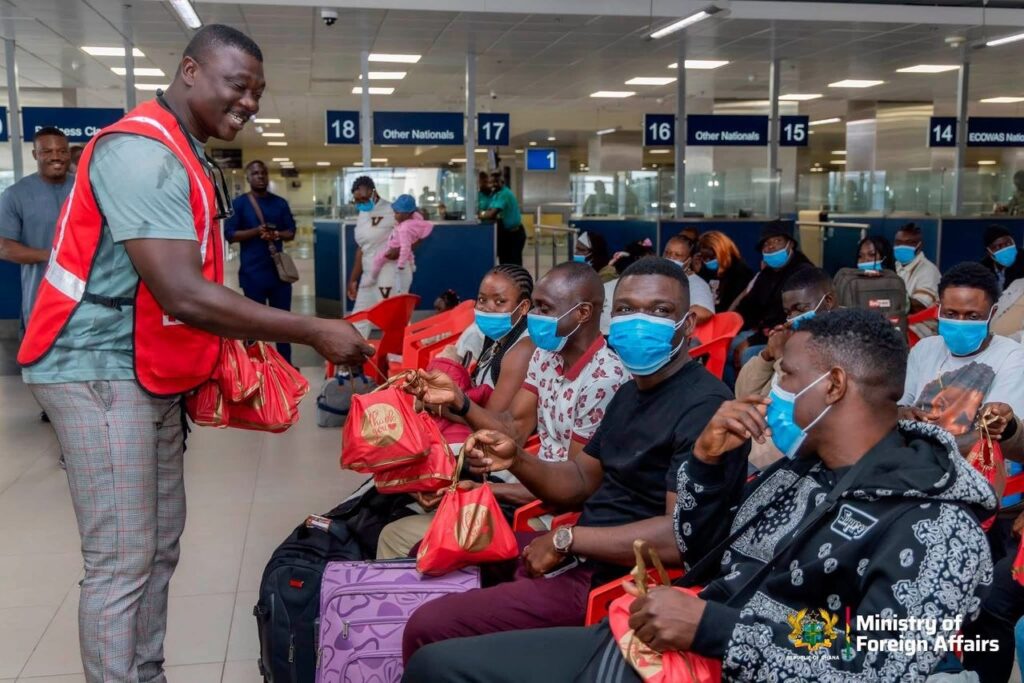
Beyond physical transport home, Hon Ablakwa detailed the range of support the government has extended to evacuees. Returnees received reintegration financial support, transportation allowances, medical care, psychosocial support, free health insurance registration and ongoing employment assistance, a package designed to help citizens rebuild their lives after fleeing violence that in some cases cost them their homes, businesses and personal safety.
The evacuation responded to a renewed wave of anti-foreigner violence that flared in Durban and other South African commercial centres, where African migrants, including Ghanaians, reported harassment, intimidation and physical attacks.
Ghana had earlier advised its citizens to avoid non-essential travel to South Africa amid the heightened tensions, and the government’s response included direct diplomatic engagement with South African authorities alongside a formal petition to the African Union over the attacks, which Ghana argued posed a threat to African unity and regional integration.
Remembering the Ghanaians Who Died
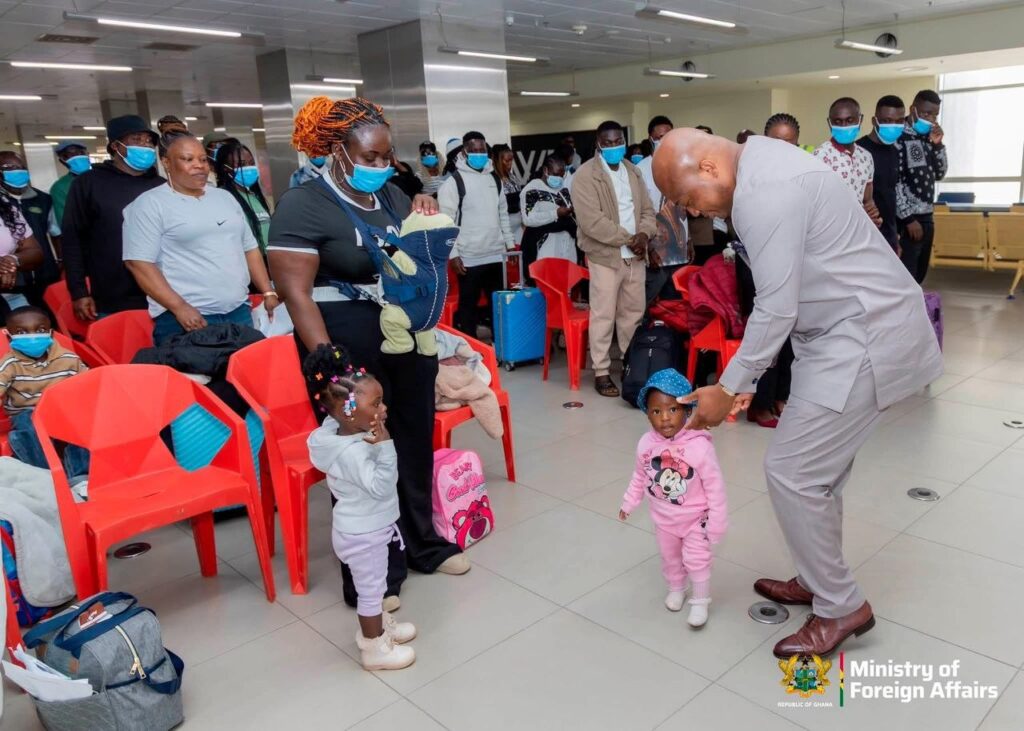
Hon Ablakwa’s statement paused to acknowledge the human cost of the crisis beyond those who survived to be evacuated. “We continue to pray with the families of the four Ghanaians who died during this period,” he said. “May God grant them divine succour.”
Separate reporting has indicated that the remains of at least two Ghanaians killed during the violence were also repatriated as part of the broader operation, underscoring the severity of the attacks that prompted Ghana’s evacuation response in the first place.
Gratitude to the President and Local Partners
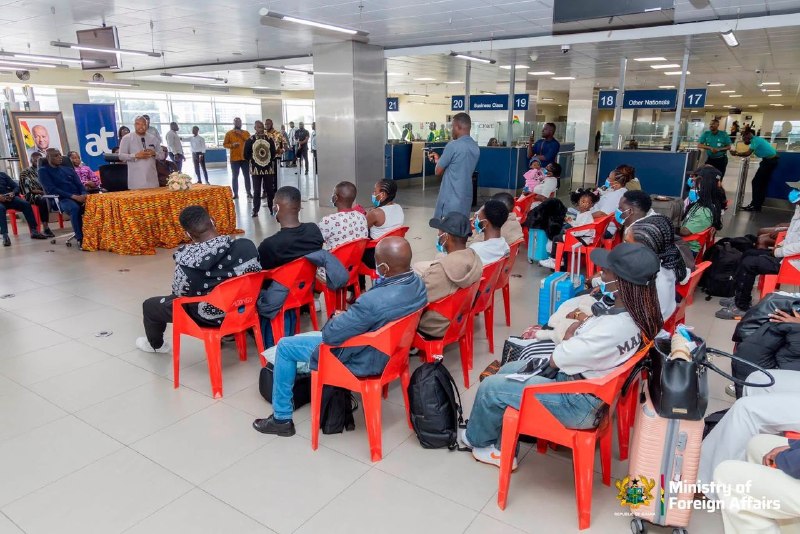
The Foreign Minister, Hon Ablakwa, credited President John Dramani Mahama directly for the success of the operation, describing his leadership as inspirational, and extended thanks to local partners who supported what he called a worthy humanitarian mission.
The evacuation drew on coordination across government agencies, airlines, telecommunications providers and community organisations to manage the logistics of repatriating nearly 2,000 people in stages over several months.
A Promise to Account Publicly
Hon Ablakwa closed his statement by committing to full public accountability for how the evacuation was managed. “Next week the Foreign Ministry shall present a comprehensive report and account fully and transparently to the great people of Ghana,” he said, signalling that further detail on costs, logistics and outcomes for returnees will follow in the coming days.
He stressed that government responsibility does not end with the physical act of bringing citizens home, noting the importance of supporting their long-term reintegration into Ghanaian society.
He encouraged returnees to prioritise their health and seek medical attention whenever necessary as they begin rebuilding their lives, closing his statement with the phrase “For God and Country.”
READ ALSO: Kofi Kinaata To Perform at Cape Coast Afahye Highlife Party Tonight