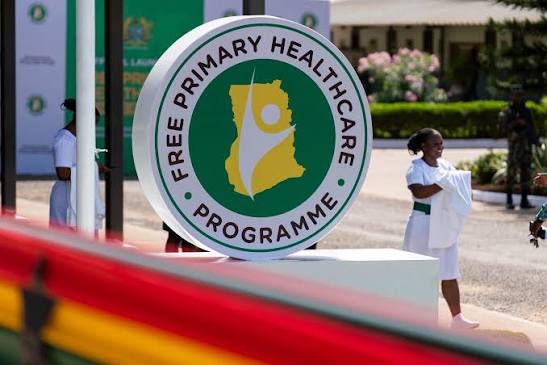
The Minister of Health, Hon. Kwabena Mintah Akandoh, has provided an update on the progress of Ghana’s Free Primary Healthcare (FPHC) programme, disclosing that the initiative is now operational in 4,574 health facilities across all sixteen regions of the country, with government targeting full nationwide coverage by the end of 2027.
Speaking on the rollout, the Minister said implementation began with the most deprived regions and districts, specifically citing the Upper West, Upper East, Oti and Western North regions as the starting point for the programme, with plans to progressively extend coverage to every part of the country over the coming months.
According to Akandoh, the 4,574 facilities currently participating in the programme include institutions run by the Christian Health Association of Ghana (CHAG) and the Ahmadiyya Muslim Mission, reflecting a deliberate effort to involve faith-based health providers alongside government facilities.
He broke down the facility count further, noting that the network comprises 3,781 Community-Based Health Planning and Services (CHPS) compounds, 746 health centres, and 48 polyclinics nationwide.
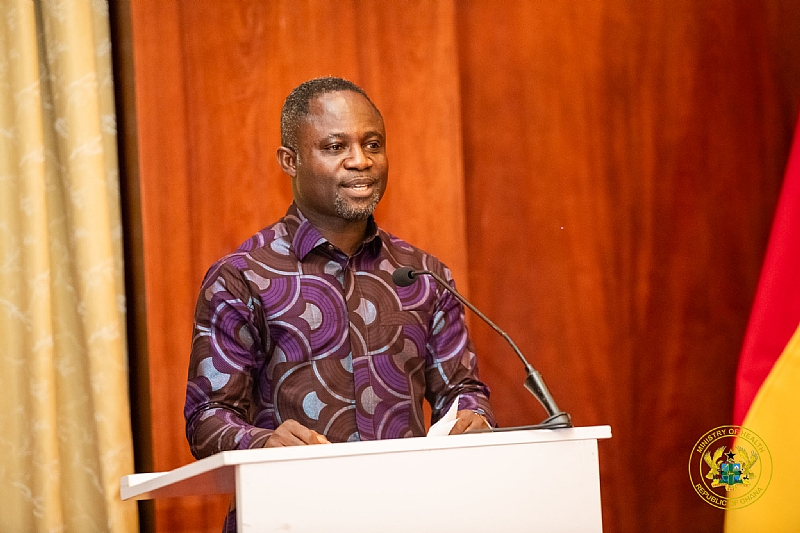
“We are not leaving anybody behind, this is why CHAG facilities and the Ahmadiyya health facilities are on board as implementing agencies.”
Hon. Akandoh
Early Impact Stories Emerging from The Field
The Minister shared an early success story from the Mother Charles Walker Catholic Clinic in Atebubu Amantin, where the local health team has been collaborating with the Ghana Private Road Transport Union (GPRTU) to screen drivers and passengers for high blood pressure.
According to Akandoh, drivers found with systolic blood pressure readings above 200mmHg are prevented from driving for that day as a precautionary measure.
He described the significance of this intervention in practical terms, explaining that it reflects a shift in how healthcare is delivered under the FPHC model.
“What it means is that the health service went to the person instead of the person going to the health service, and it means a tragedy has been averted,”
Hon. Akandoh
Three Pillars of the FPHC Programme
Akandoh outlined the structure of the Free Primary Healthcare programme as comprising three main components, curative, preventive and promotive care.
He explained that the curative aspect addresses common conditions such as malaria, respiratory diseases and diarrhoea, while the promotive component covers nutrition, physical activity, hygiene, sanitation and healthy lifestyle counselling.
He placed particular emphasis on the home visit component of the programme, describing it as one of the most significant elements of the initiative, given its focus on bringing healthcare services directly into communities and households rather than waiting for patients to seek care independently.
FPHC Does Not Mean Free Hospital Care
The Minister was careful to clarify the scope and limitations of the programme, cautioning that Free Primary Healthcare does not translate into free universal hospital care.
He explained that citizens should not expect to walk into major referral hospitals such as Korle Bu or Komfo Anokye Teaching Hospital and demand free treatment on the basis of the FPHC policy.
“Free primary healthcare will end at the polyclinic, from the CHIPS compound to the health centre to the polyclinic, but where free primary healthcare ends, another intervention takes off from there,”
Hon. Akandoh
He stressed that FPHC is not designed to compete with or replace the NHIS, describing it instead as complementary to the insurance scheme, one that could, over time, significantly reduce pressure on the NHIS by catching and managing conditions early.
He noted that prevention remains not only good medicine, but good economics as well.
Mahama Cares Fills Remaining Gaps
Beyond FPHC and the NHIS, the Minister pointed to a third layer of health protection known as Mahama Cares, designed specifically to support individuals suffering from non-communicable diseases not fully captured under the NHIS.
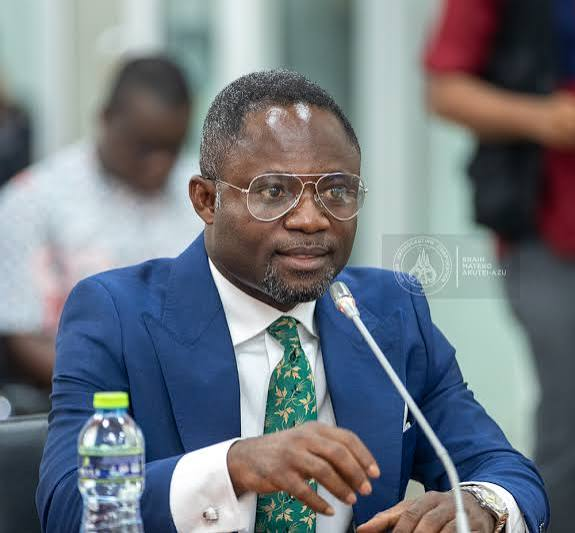
He assured citizens that lack of an NHIS card should not be a barrier to receiving care, noting that individuals in any of the 135 implementing districts can walk into participating facilities, register, and receive the necessary care regardless of insurance status.
He described these combined interventions as part of a broader effort to reshape Ghana’s health architecture, moving away from a system where patients wait until conditions worsen before seeking care, toward one that proactively reaches communities before emergencies occur.
READ MORE: Eduwatch Survey Identifies Key Factors Shaping 2026 WASSCE Results