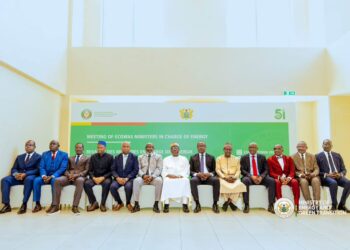
AfCFTA Secretary-General, Wamkele Mene has indicated that the African Continental Free Trade Area is actively targeting the establishment of major cross-border mega-projects to accelerate mineral processing and critical energy transition infrastructure across Africa.
Speaking during an Africa Annual Meetings 2026 discussion, Mene stressed that the trade secretariat aims to guide member states toward developing large-scale industrial ventures, including facilities that process critical minerals into higher-value products such as electric vehicle batteries.
By taking advantage of integrated regional value chains, the initiative seeks to move far beyond basic commercial exchange and position the continent as a highly competitive manufacturing hub for green technology.
“If we make the lithium battery facility between Zambia and DRC become a reality, I think that will unlock the capacity of the continent to drive industrial development, especially in the auto sector,” Mene said during an Africa Annual Meetings 2026 discussion.
AfCFTA Secretary-General Wamkele Mene
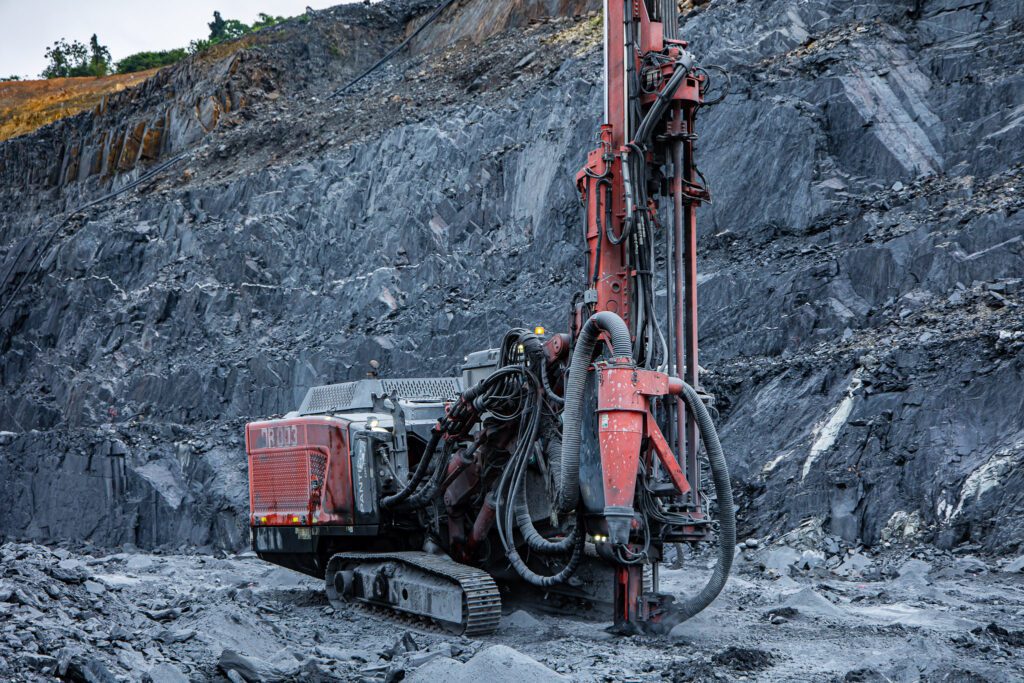
While expanding on this vision for regional value addition, Mene stated that the continent should aim within the next decade to establish two or three major anchor projects that demonstrate how the AfCFTA can support industrialisation and economic integration beyond tariff reductions and trade agreements.
A primary example of this ambitious push is a lithium battery manufacturing project linking Zambia and the Democratic Republic of Congo, two countries central to Africa’s growing role in the global supply of minerals needed for the energy transition.
The project would represent a fundamental shift away from Africa’s traditional role as an exporter of raw materials toward greater processing and manufacturing within the continent, unlocking industrial capacity across regional automotive and energy sectors.
Translating Continental Rules into Commercial Success
While institutional progress under the agreement has expanded steadily with 48 countries having ratified the agreement and 26 actively trading under its terms the central hurdle remains translating those foundational rules into commercially viable projects.
Mr. Mene observed that industrial development financing examples are exactly what the continent needs to accelerate so that the AfCFTA can become a reality for businesses, developers, and investors alike.
Consequently, the next decade of the trade pact may depend less on negotiating new rules and more on whether governments and financiers can identify and fund projects large enough to link the continent’s resources, industries, and consumer markets.
The Urgent Imperative for In-Country Value Addition
The push for cross-border mineral processing is driven by Africa’s urgent need to break free from the traditional extractivist model that leaves host nations vulnerable to raw commodity price shocks while capturing minimal revenue.
Historically, critical transition minerals including lithium, cobalt, nickel, and manganese have been extracted across the continent and exported in raw form to external markets for refining and advanced chemical synthesis.

By retaining the high-value processing phase within Africa, member states can secure a significantly larger share of the multi-trillion-dollar global energy transition market, creating skilled local jobs, expanding the domestic tax base, and building indigenous technological capabilities.
Moreover, developing joint cross-border facilities allows neighboring states to pool their natural resources, technical expertise, and energy infrastructure to overcome individual market limitations.
For instance, combining the Democratic Republic of Congo’s extensive mineral reserves with Zambia’s industrial capacity creates compelling economies of scale that neither state could achieve in isolation.
Coordinated regional processing hubs also help mitigate supply chain vulnerabilities, optimize logistics trade corridors, and present institutional investors with larger, bankable infrastructure opportunities that single nations could rarely sustain alone.
Strategic Financing and Infrastructure Integration
Unlocking these ambitious cross-border ventures requires a systemic overhaul of how development capital and infrastructure investments are deployed across the continent.
Historically, logistics networks and mining infrastructure were designed solely to export unprocessed ores directly to seaport terminals for overseas shipment.
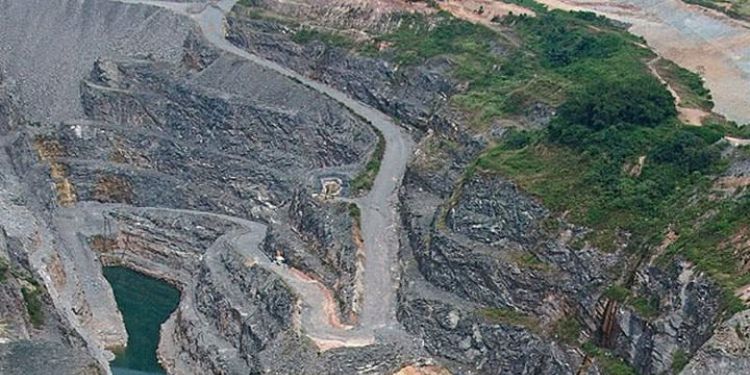
Under the AfCFTA framework, regional development finance institutions, sovereign funds, and private capital are being called upon to finance integrated industrial corridors, cross-border power transmission networks, and localized chemical refining complexes.
Ultimately, the successful execution of cross-border mega-projects like the Zambia-DRC battery facility will serve as the true litmus test for Africa’s broader economic integration agenda.
As global industries scramble to secure resilient battery supply chains, the AfCFTA’s proactive push for regional mineral processing ensures that the continent shifts from being a passive supplier of raw inputs to an authoritative, self-reliant leader in global industrial value chains.
READ ALSO: GSE Stocks Shed Ground as Trading Value Hits GH¢139m