
The Ghana Private Road Transport Union and the Ghana Road Transport Coordinating Council have told drivers, station masters and transport owners across the country to hold existing approved fares, confirming that no decision has been taken to adjust public transport charges.
The two bodies issued the directive in a joint press release dated 8 September 2026, signed by GPRTU General Secretary Godfred Abulbire and GRTCC General Secretary Emmanuel Ohene Yeboah.
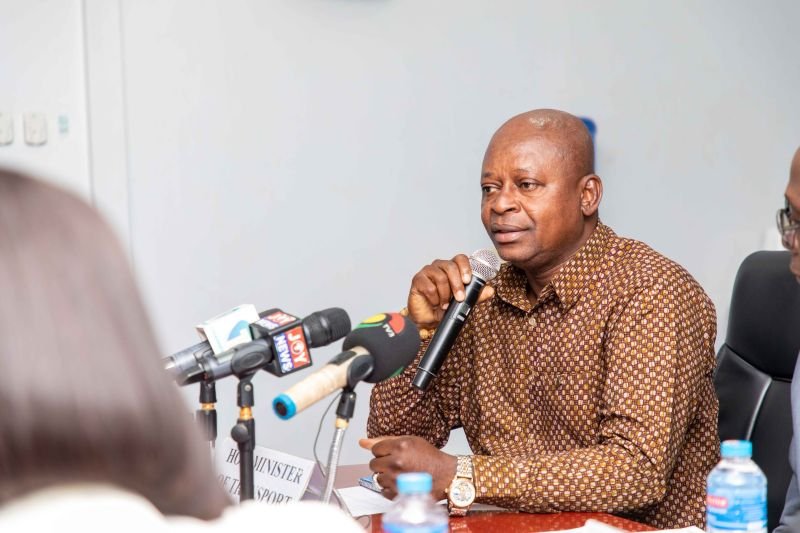
Consultations formally opened at a meeting with the Minister for Transport, Joseph Bukari Nikpe, and his technical team in Accra on Tuesday, 8 September.
The unions took an upward fare proposal into that room and left it unresolved, because government countered with a briefing on macroeconomic conditions and on a fuel intervention whose effect on operating costs neither side has yet quantified.
What the operators asked for
The unions submitted their formal request on 3 September under the Administrative Instrument that governs how public transport fares are determined and reviewed.
Speaking that same day, the GPRTU’s Deputy Industrial and Public Relations Officer, Samuel Amoah, put the figure at 30 percent, citing rising fuel prices alongside the cost of spare parts, lubricants, insurance and taxes.
That proposal did not appear from nowhere. The union floated a 30 percent increase in August and shelved it after government appealed to its leadership. Tuesday’s outcome therefore marks the second time in roughly a month that a planned adjustment has stalled short of implementation.
The diesel intervention that changed the conversation
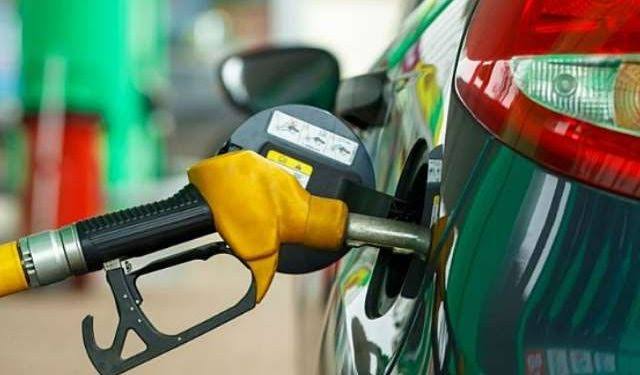
Government met the proposal with a specific counterweight. Officials briefed the unions on measures to stabilise the cedi and, more directly, on the GHS 2.00 per litre intervention on the price of diesel, designed to cushion both transport operators and the travelling public.
Both sides accepted that the intervention carries real value. What neither could establish in a single sitting is how much of the operators’ cost pressure it actually absorbs.
The release states plainly that the full impact of the fuel intervention on operating costs, taken together with the fare proposal, requires further engagement before any determination is made. On that basis, the unions confirmed that “no decision to adjust transport fares has been taken.”
A joint team to open the books
Rather than adjourn without machinery, the parties established a working team drawn from the Ministry of Transport, the GPRTU and the GRTCC to review all cost inputs. The unions describe the exercise as a safeguard for fairness, intended to protect operators and commuters alike, and say the outcome will be communicated to the public in due course.
The framing matters. A joint review shifts the argument from competing assertions about affordability to a shared examination of what it actually costs to run a trotro or a taxi in the current climate. It also gives both sides an evidential basis to defend whatever number eventually emerges, which is precisely what a bare percentage demand cannot do.
Old fares stay until further notice
For commuters, the practical instruction is straightforward. Existing approved fares remain in force nationwide, and the unions have directed members to maintain them until further notice. The leadership also urged drivers, station masters, transport owners and passengers to stay calm, orderly and cooperative while the process runs its course.
That appeal carries weight in a sector where fare adjustments have historically outpaced official announcements, leaving passengers to argue with drivers at lorry stations over rates no authority has approved. By publishing the directive rather than communicating it internally, the unions have given commuters a document to point to.
What remains unsettled
Nothing in Tuesday’s meeting closes the underlying question. Operators still face the cost pressures that produced the 30 percent proposal, and the diesel intervention reduces those pressures without eliminating them. If the joint review concludes that the subsidy falls short of the gap, the fare conversation returns, this time with figures both parties have agreed on.
The release also leaves the timeline open, committing only to communicate the outcome in due course. That vagueness is standard in social partnership statements, though it offers little to a driver weighing whether to absorb another month of costs or a passenger budgeting for the school run.
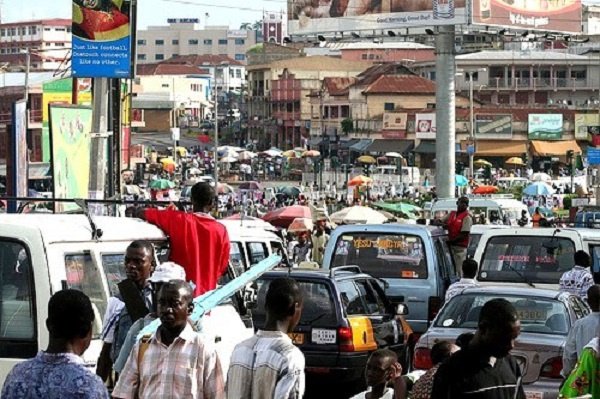
Transport pricing in Ghana has long functioned as an early indicator of how households experience macroeconomic policy. Inflation figures and exchange rate movements reach most people through the daily fare rather than through a statistical release.
Whatever the joint team concludes about cost inputs will therefore be read as a verdict on more than transport, and both sides appear to understand that the credibility of the eventual number depends on the rigour of the work now beginning.
READ ALSO: ICT Powers Ghana’s 6% Second-Quarter Growth