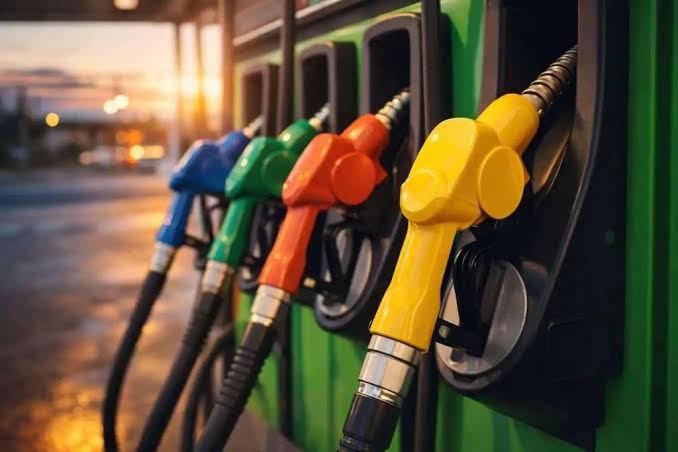
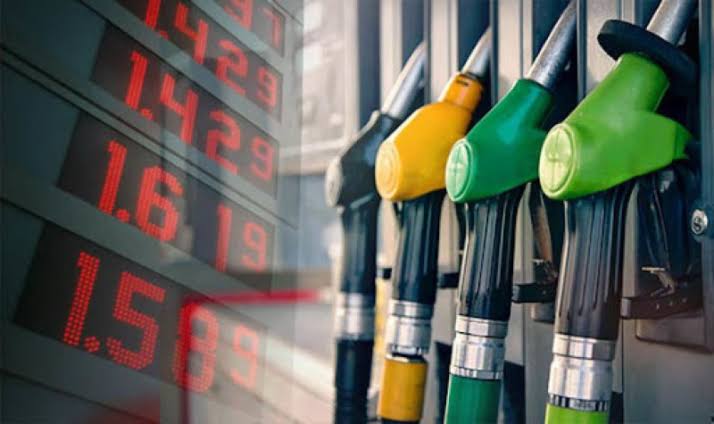
Ghanaian motorists are set for another increase in petroleum prices from Wednesday, September 16, with the Chamber of Petroleum Consumers (COPEC) projecting petrol to rise to about GH¢16.26 per litre and diesel to GH¢19.07 per litre.
The forecast points to a renewed transmission of international oil-market pressures into Ghana’s downstream petroleum market, despite a marginal strengthening of the cedi during the latest pricing window.
The projected adjustment is particularly significant for diesel, which COPEC expects to record a 10.23% increase from an estimated current mean price of GH¢17.30 per litre. Petrol, meanwhile, is projected to rise by 4.24% from GH¢15.60 per litre, while LPG is expected to move to approximately GH¢15.32 per kilogramme.
Global Oil Shock Returns To Ghana’s Pumps
The latest forecast demonstrates how quickly developments in international crude and refined-product markets can influence Ghana’s domestic energy costs.
COPEC’s September 13 assessment shows that the average international crude price used in its calculations rose from US$89.30 to US$103.07 per barrel during the pricing period.

That represents an increase of about 15.4%, creating a significantly more difficult cost environment for petroleum importers and consumers.
The pressure was even more pronounced in refined products. Petrol’s international Free on Board (FOB) price increased from US$1,136.50 to US$1,251.07 per metric tonne, a 10.08% rise.
Diesel recorded an even larger movement, with its FOB price climbing from US$1,250.50 to US$1,404.73 per metric tonne, representing a 12.33% increase.
The distinction between crude and refined-product prices is important for Ghana. While crude oil provides the underlying international benchmark, Ghana’s immediate exposure at the pump is determined by the cost of the finished petroleum products brought into the domestic market, alongside freight, premiums, taxes, levies, margins and exchange-rate movements.
That means a moderation in crude prices alone does not necessarily translate into cheaper fuel for Ghanaian consumers if refined-product prices remain elevated.
Cedi Gains Offer Limited Protection
One factor that could have softened the impact of the international price surge was the performance of the Ghana cedi.
COPEC said the average interbank exchange rate improved marginally from GH¢11.5166 per US$1 at the beginning of the current pricing window to GH¢11.4830 at its close. The 0.29% appreciation, however, was far too small to offset the sharp increases recorded in international petroleum prices.
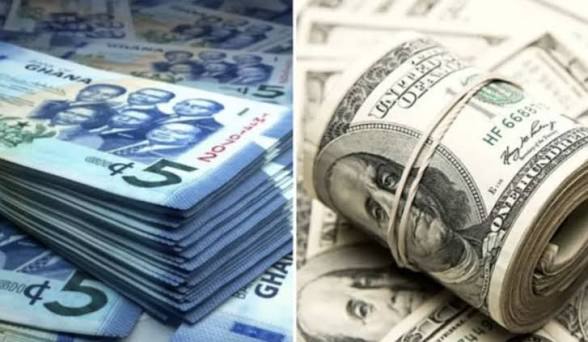
This illustrates the continuing importance of the exchange rate in Ghana’s downstream petroleum market.
Because petroleum products are internationally priced and imported in US dollars, movements in the cedi can either amplify or cushion global price changes.
In this case, the currency provided only a marginal buffer.
COPEC’s projection therefore suggests that the international market shock is strong enough to dominate the effect of the currency movement, particularly for diesel.
“The appreciation represented a marginal 0.29 per cent improvement in the value of the cedi against the dollar.”
Chamber of Petroleum Consumers (COPEC)
The implication is straightforward: even when Ghana’s currency is relatively stable, consumers can still face substantial increases if international refined-product prices rise sharply.
Diesel Carries The Heavier Burden
The projected diesel increase deserves particular attention because diesel is deeply embedded in Ghana’s productive economy.
Unlike petrol, whose price movements are felt primarily by private motorists and some commercial transport operators, diesel is extensively used by freight companies, construction firms, mining operations, agricultural machinery, industrial facilities and businesses that rely on backup generation.
A rise from GH¢17.30 to GH¢19.07 per litre would therefore have consequences beyond the fuel station.
For logistics operators, higher diesel costs feed into transportation expenses. For businesses dependent on road freight, those costs can eventually be incorporated into the prices of goods.
Mining and construction operations may also face higher operating expenses where diesel-powered machinery and vehicles form a substantial part of their energy consumption.
The same dynamic applies to electricity.
Where thermal generation relies on liquid fuels or diesel-linked operating costs, increases in petroleum prices can put additional pressure on the cost of electricity generation.
Ghana has been trying to reduce its dependence on expensive liquid fuels by increasing the role of natural gas in thermal generation, making the development of domestic gas infrastructure increasingly important to the country’s energy-cost strategy.
The latest diesel forecast therefore reinforces a broader policy question: how quickly can Ghana reduce its exposure to imported petroleum products in areas where alternative energy sources are technically and economically viable?
Petrol Increase Adds To Household Pressure
Petrol’s projected increase is smaller than diesel’s, but its economic effect should not be underestimated.
At GH¢16.26 per litre, the projected average would represent a 66-pesewa increase over the current mean price of GH¢15.60. For motorists who consume significant quantities of petrol, the additional cost accumulates quickly.
More importantly, transport is one of the main channels through which petroleum-price changes move through the wider economy.
Higher fuel costs can increase the operating expenses of taxis, ride-hailing vehicles, private commercial vehicles and other forms of road transport.
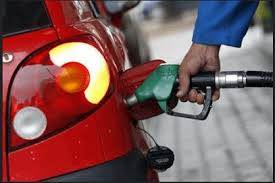
If the increase is sustained, transport operators may seek adjustments to fares, creating another potential pass-through into household expenditure.
The September development also comes against the backdrop of earlier government intervention to reduce the impact of rising fuel costs.
Government extended a GH¢2-per-litre reduction in the regulatory margin on diesel into another pricing window after COPEC and transport operators called for continued relief.
The intervention was initially introduced as a temporary measure to cushion consumers and commercial transport operators.
The latest international price movement raises the question of how sustainable such interventions can be if global oil prices remain elevated.
Pricing Pressure Tests Government Relief Measures
The projected increase arrives only weeks after government attempted to prevent higher international petroleum costs from translating fully into domestic prices.
That intervention highlights the difficult policy balance facing the authorities.
Reducing petroleum-related margins, taxes or levies can protect consumers in the short term, but it also has fiscal implications.
Conversely, allowing the full international price increase to pass through can protect public finances but shift the burden directly onto households and businesses.
The issue becomes more complicated when the underlying shock is prolonged.
Temporary interventions are relatively easier to justify when policymakers expect international prices to normalise quickly.
But if crude and refined-product prices remain elevated across several pricing windows, repeated interventions could become increasingly expensive for the state.
The September projection therefore places Ghana’s downstream petroleum policy at another critical point: whether to absorb part of the international shock through fiscal or regulatory measures, or allow more of it to be reflected at the pump.
Refined Products Remain A Strategic Vulnerability
The numbers also expose a structural vulnerability in Ghana’s petroleum economy.
The country consumes substantial volumes of petroleum products but remains exposed to international markets for the supply of refined fuels.
Consequently, domestic pump prices are heavily influenced by international crude and product benchmarks, shipping conditions, foreign-exchange movements and international market premiums.
This exposure means that even strong domestic economic management cannot completely insulate consumers from global oil shocks.
The situation strengthens the economic case for improving domestic refining capacity and ensuring that refineries can operate reliably and competitively.
Tema Oil Refinery’s continuing efforts to restore and expand its operations are therefore relevant to the wider discussion around Ghana’s petroleum security.
Greater domestic refining capacity would not eliminate exposure to international crude prices, but it could alter the structure of Ghana’s exposure by allowing more value to be captured within the domestic economy.
It could also reduce some dependence on imported finished products, subject to the availability and competitiveness of domestic crude, refinery efficiency and the economics of local refining.
The Bigger Energy-Security Question
The latest fuel-price forecast ultimately goes beyond what consumers will pay at filling stations.
It raises questions about the resilience of Ghana’s energy system and the extent to which the economy can withstand external energy shocks.

The country is simultaneously pursuing several strategies: expanding domestic gas utilisation, improving refinery capacity, strengthening petroleum-sector regulation, increasing renewable-energy penetration and reforming the electricity sector.
Each addresses a different part of Ghana’s energy vulnerability.
Natural gas can reduce reliance on expensive liquid fuels in power generation. Renewable energy can reduce dependence on thermal generation for some electricity demand. Improved refining can reduce exposure to imported finished petroleum products.
Stronger electricity-sector finances can reduce the fiscal burden associated with energy subsidies and sector shortfalls.
But these transitions require investment, infrastructure and consistent implementation.
The immediate lesson from the September pricing outlook is that Ghana remains highly sensitive to international energy-market movements.
The country’s ability to manage that exposure will increasingly depend on how effectively it can convert its own oil, gas, power and renewable resources into a more integrated domestic energy system.
For consumers, however, the immediate reality is more direct.
If COPEC’s projection materialises, petrol and diesel users will enter the second half of September facing another round of higher energy costs, with diesel users absorbing the sharper increase.
The final pump prices charged by individual Oil Marketing Companies may vary, but the direction of pressure is clear.
And with international crude already moving above the US$100-per-barrel threshold, the key question for Ghana’s energy sector is no longer simply how high prices can go at the pump, but how much of the next global oil shock the domestic economy can withstand before the costs begin spreading more widely across transport, electricity, industry and household consumption.
READ ALSO: Phoenix Insurance Moves to Capture Underserved Markets Across Ghana