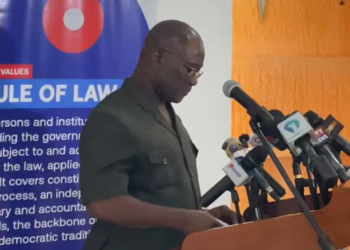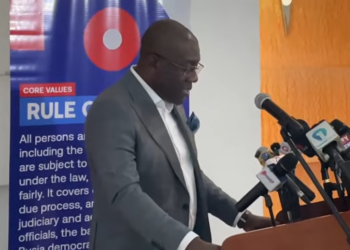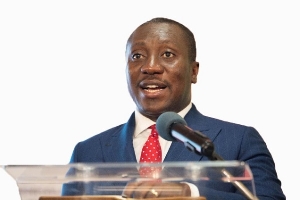
Spokesperson for the New Patriotic Party’s (NPP) Education Policy Committee, Dr Kwabena Bempah Tandoh, has called on government to apologise to Ghanaians over what he describes as a lack of coherence and coordination surrounding the proposed introduction of Arabic and Chinese languages into public schools.
Addressing the controversy, Dr Tandoh argued that any country seeking to run an effective education sector must ensure a number of foundational conditions are met, specifically stability, predictability and structural rigour within the education space, conditions he said were conspicuously absent in the current handling of the language curriculum proposal.
According to Dr Tandoh, the controversy stems from a serious divergence between statements and actions attributed to the Ministry of Education and the Ghana Education Service (GES) on one hand, and public remarks made by President John Dramani Mahama on the other, regarding whether a Chinese curriculum initiative has actually been approved.
“There is serious policy divergence, there is serious policy incoherence,”
Dr Tandoh
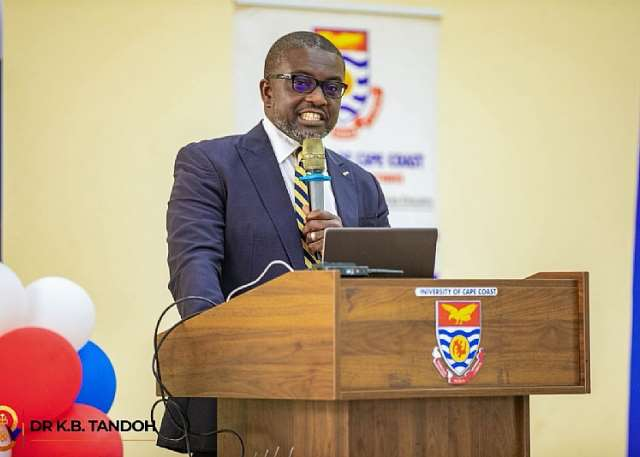
Dr Tandoh argued that if the Minister of Education has been acting under the authority and approval of Cabinet in pursuing the Arabic and Chinese language initiative, then President Mahama bears direct responsibility for clarifying the matter to the Ghanaian public.
Call For Presidential Clarification and Apology
He went further to insist that clarification alone would not be sufficient, calling instead for a formal apology to Ghanaians over what he characterised as unnecessary policy confusion.
“His Excellency the President has a responsibility to the Ghanaian people to clarify the issue, bring clarity to the issue, and not just bring clarity to the issue but apologise to the Ghanaian people for this policy confusion,”
Dr Tandoh
Dr Tandoh reminded the public that Ghanaians elected President Mahama and the National Democratic Congress (NDC) government on the basis of promises to provide stability, predictability and structural rigour within the education sector, standards he argued the current handling of the language curriculum matter clearly falls short of.
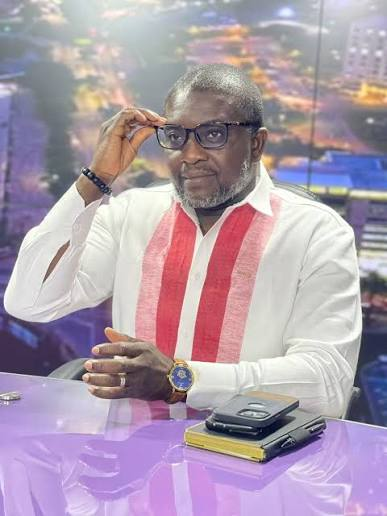
“Ghanaians elected His Excellency John Dramani Mahama and the NDC government to provide stability, predictability and structural rigour within the education space, and that is definitely not happening, there is major policy incoherence,”
Dr Tandoh
Framed As Another “Own Goal” For Government
Dr Tandoh situated the Arabic and Chinese curriculum controversy within a broader pattern of what he described as self-inflicted political missteps by the NDC government,
He referenced earlier comments he had made over the weekend accusing the administration of repeatedly “scoring own goals” on various policy matters.
He described the current situation as a clear example of this pattern, pointing specifically to a scenario in which the Minister.
The Ministry of Education and the Ghana Education Service appeared to be actively working toward implementing a Chinese curriculum, while Cabinet, the government’s highest decision-making body chaired by the President himself, publicly denied that any such policy had been approved.
“When the Minister, the Ministry and the Ghana Education Service on one side are working to implement a Chinese curriculum, and on another side Cabinet and the President stand in public and say there is no such thing that exists and has been approved, that is another own goal,”
Dr Tandoh
Test Of Internal Government Coordination
Dr Tandoh’s remarks point to a broader concern regarding internal coordination within government on major policy announcements, particularly those with significant implications for the national curriculum and public education system.
By highlighting the apparent contradiction between ministerial actions and presidential statements, his intervention raises questions about how policy proposals are vetted and communicated across different arms of government before reaching the public domain.

Beyond the specific merits or drawbacks of introducing Arabic and Chinese language instruction into Ghana’s public schools, the controversy has evolved into a broader political flashpoint centred on questions of governmental competence and internal coherence.
With the NPP now demanding both clarification and a formal apology, attention will likely turn to how the Presidency and the Ministry of Education respond to reconcile their apparently conflicting public positions, and whether this episode has any lasting impact on public confidence in the government’s handling of major education policy decisions going forward.
READ MORE: School Feeding Programme Now Reaches 4.527 million Children