The Progressive Transport Owners’ Association (PROTOA) has defended its decision to embark on an indefinite strike from September 21, 2026, citing rising operating costs and unresolved challenges within the transport sector. The group is demanding urgent action from President John Dramani Mahama on increased DVLA penalty charges, insurance premiums, police harassment and rising fuel prices.
Speaking on the planned action, PROTOA Public Relations Officer, Samuel Adu-Yeboah, explained that the concerns extend beyond the issues already outlined in the association’s public notice. He indicated that escalating spare parts prices have also placed significant pressure on vehicle owners and operators.
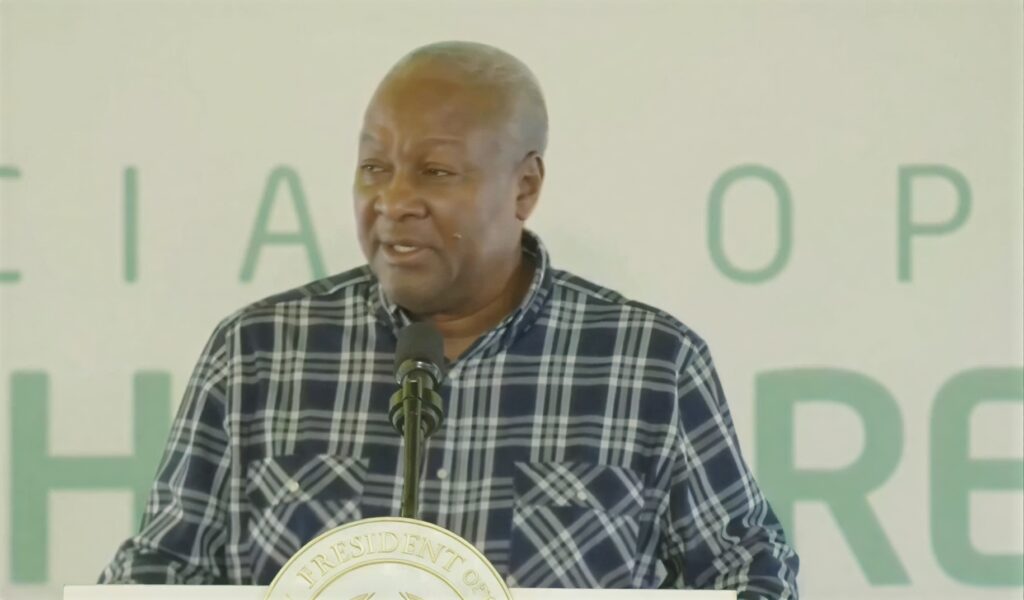
Turning to the question of whether the demands justify a strike, Mr Adu-Yeboah argued that the decision followed difficulties that had continued to affect transport operators. He noted that the association had already notified the public and Government about the situation before settling on the industrial action.
According to the PROTOA PRO, the association is prepared to engage the Transport Ministry if Government is willing to negotiate with transport operators. He, however, indicated that no such engagement had materialised at the time of the interview.
“If the Transport Ministry is ready to meet us to go on a negotiation table, we are good to go. But as of now, Government is not listening to us, so things are day in, day out increasing.”
Samuel Adu-Yeboah
Referencing the immediate pressure on operators, Mr Adu-Yeboah pointed to fuel prices as another factor affecting their businesses. He cited petrol at GH¢16.77 per litre and diesel at GH¢17.77 per litre as the latest prices confronting operators.
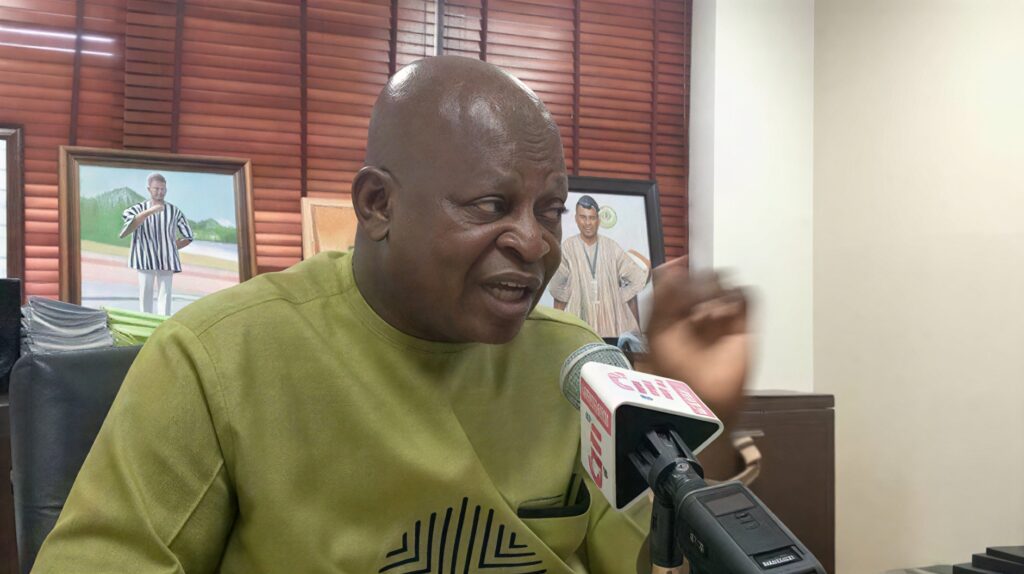
The PRO further explained that the association increased lorry fares by 30 percent after notifying the President, the Transport Ministry and the general public about the difficulties facing the sector. He suggested that the increase was driven by rising operational expenses instead of an arbitrary decision by transport owners.
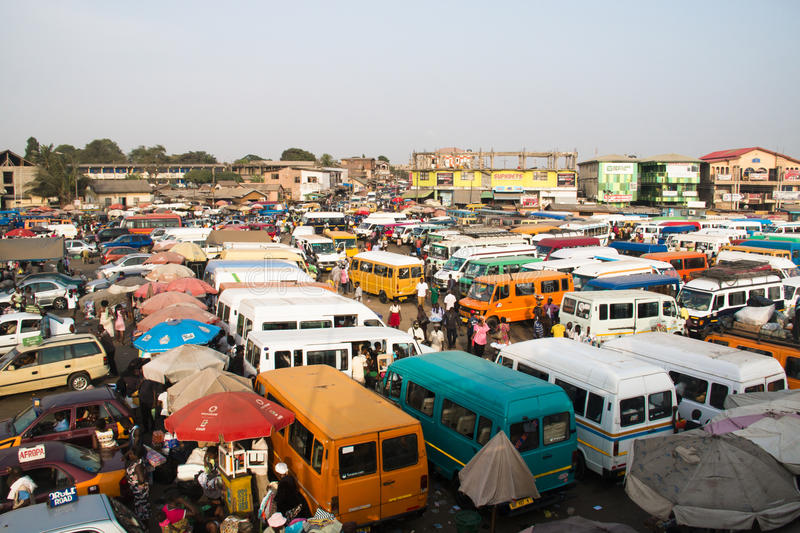
On the planned strike, PROTOA has indicated that vehicles could be parked from September 21 if the demands remain unaddressed. The action could affect commuters who depend on commercial transport services across the country.
PROTOA Points To Spare Parts Costs Behind 30% Fare Increase
The Progressive Transport Owners’ Association (PROTOA) warned Government about rising operational costs before announcing its planned indefinite strike from September 21, 2026. Public Relations Officer Samuel Adu-Yeboah explained that a September 9 press release outlined the difficulties confronting vehicle owners and operators.
Referencing the earlier notice, Mr Adu-Yeboah disclosed that the association used four vehicle models as samples to demonstrate how sharply spare parts prices had increased since 2024. The vehicles included the Toyota Yaris, Nissan March, Nissan Premier and Sprinter bus.
The PROTOA PRO pointed to engine prices as one of the clearest examples of the pressure facing operators. He revealed that a Toyota Yaris engine which cost about GH¢12,000 in 2024 now costs approximately GH¢25,000.
Similarly, he disclosed that the price of a Sprinter bus engine had increased from about GH¢25,000 in 2024 to GH¢45,000. A Toyota Yaris steering or hydraulic component had also moved from roughly GH¢300 to GH¢1,200.
“The Nissan March set of door in 2024 was GH¢3,000. Today, GH¢10,000. So, if you compare 2024 to today, the increment is very, very high.”
Samuel Adu-Yeboah
Turning to the broader cost structure, Mr Adu-Yeboah argued that the increase could not simply be attributed to movements in the exchange rate. He pointed to port charges, VAT and other related costs as factors contributing to the higher prices of imported spare parts.
Reflecting on the exchange rate, he compared the situation in 2024 with current conditions and questioned why spare parts are significantly more expensive despite the cedi trading at fewer cedis to the US dollar. His argument was that other charges along the importation chain had increased the final cost faced by vehicle owners.
The association had therefore linked the rising cost of maintaining vehicles to its decision to increase lorry fares by 30 percent. Mr Adu-Yeboah indicated that the fare adjustment followed the September 9 communication to Government and the public.
On engagement, the PRO emphasised that the association is open to discussions with the Transport Ministry. He explained that negotiations could provide an avenue for addressing the cost pressures if Government was prepared to meet transport operators.
READ ALSO: Barker-Vormawor: Ghana’s Referendum Burden Strengthens The Case For A New Constitution