The President of Nigeria, Bola Ahmed Tinubu, alongside other African leaders, has spearheaded a united alliance to safeguard the continent’s natural resources following the adoption of the landmark Continental Integration and Economic Assurance Declaration (CIEAD) by the Africa Minerals Strategy Group (AMSG).
The newly adopted framework is designed to establish a unified architecture across Africa’s critical and solid minerals value chains, laying down a predictable, investment-ready environment for strategic regional corridors.
“The Continental Integration and Economic Assurance Declaration must establish a predictable, investment-ready environment for Africa’s Strategic Mineral Corridors. The declaration’s authority must survive the signing ceremony through a binding programme with timelines, financing, implementation and public accountability.”
Bola Ahmed Tinubu
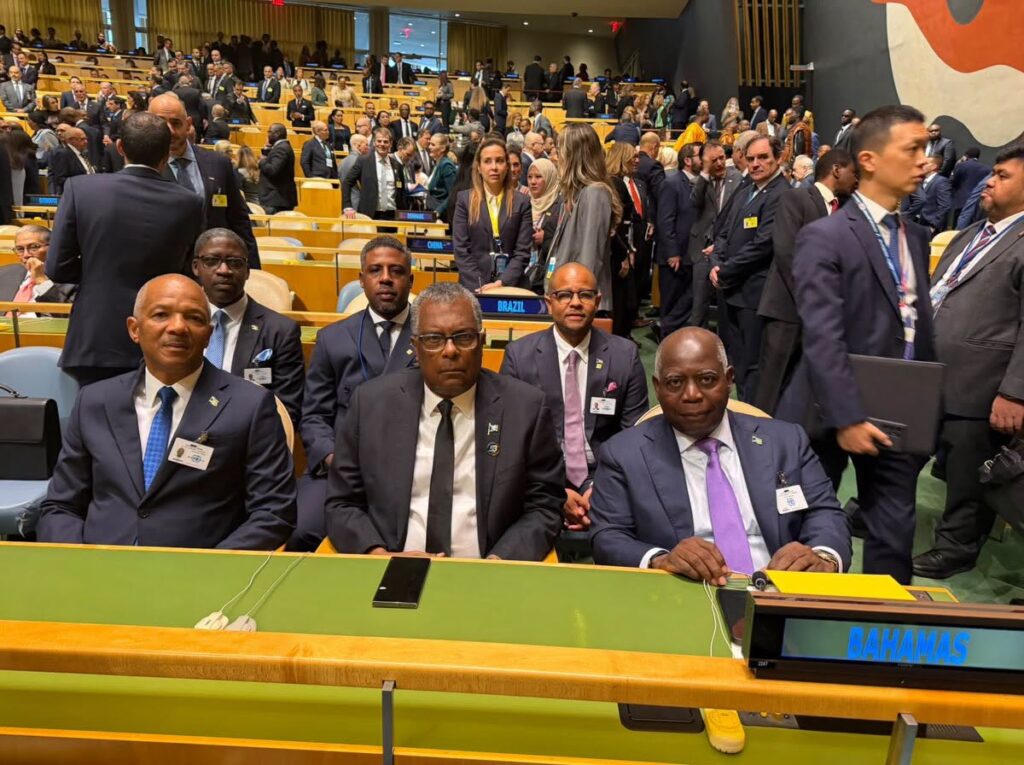
Expanding on this historic consensus, the declaration seeks to replace fragmented, uncoordinated national policies with a harmonized continental approach that shields member nations from unequal foreign concessions.
By combining regional markets, expanding local processing capabilities, and unifying licensing protocols, the strategic initiative aims to transform Africa’s mineral wealth from simple export commodities into sustainable economic powerhouses.
Addressing Exploitative Models and Regulatory Disparity
African states have historically suffered from structural economic vulnerabilities caused by competing against one another through depressed royalties, weak local content mandates, and excessive tax concessions.
This race to the bottom severely undermines the continent’s collective bargaining strength, leaving African markets exposed to raw resource extraction while importing high-value finished goods at premium costs.
To overcome these disadvantages, the AMSG initiative demands an immediate transition toward domestic value addition, requiring critical minerals to be processed locally before export.
For instance, Nigeria’s ongoing regulatory overhaul demonstrates how strict policy terms can attract significant capital; statutory reforms drove national mineral revenues from roughly six billion naira in 2023 to over N38 billion in 2024, targeting up to N70 billion while attracting major foreign investment in Nasarawa State’s lithium processing plants.
Mobilizing Capital and Building Sovereign Capabilities
Achieving complete industrial transformation across Africa’s mining sector requires structured financial backing alongside robust domestic resource mobilization.
African Development Finance Institutions (DFIs) and sovereign investors are being called upon to design tailored financing platforms that can bankroll cross-border infrastructure and support critical mineral corridors.

Furthermore, member countries are formalizing artisanal miners into structured cooperatives, upgrading geological mapping, and cracking down on illicit extraction activities to establish institutional integrity.
As Kenyan Minister of Blue Economy and Maritime Affairs, Hassan Ali-Joho, emphasized, member states must maintain operational transparency and streamline licensing procedures to catalyze sustainable growth throughout the continent.
Establishing Equitable Partnerships and Shared Prosperity
Africa’s long-term economic sovereignty relies on engaging international markets through balanced, dignified global partnerships rather than asymmetrical relationships.
External commercial alliances must respect national sovereignty and prioritize joint technology transfers, skill building, and infrastructure development that build local capacities.
Reliability must never translate into economic dependency, nor should international cooperation demand domestic inequality.
By integrating regional supply chains and projecting a single negotiation voice, African nations are strategically positioning their critical mineral reserves to fuel global green energy transitions while guaranteeing enduring industrial wealth for local communities.
READ ALSO: Rahman Calls on UN to Confront Shortcomings and Rebuild Trust