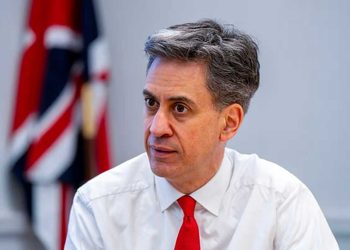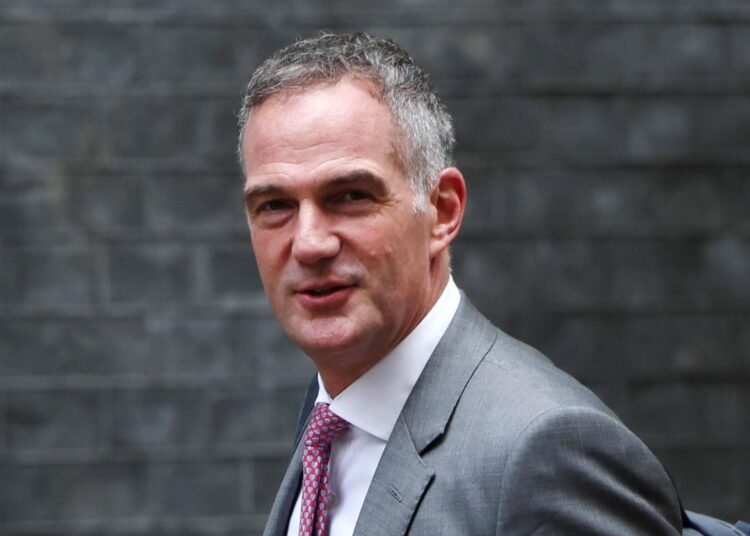
Former Cabinet Minister, Peter Kyle, has urged Andy Burnham’s government needs to place greater urgency on boosting economic growth, arguing that Labour should be prepared to make difficult short-term decisions to create stronger conditions for long-term prosperity.
Kyle, who was removed from Sir Keir Starmer’s cabinet two months ago during a reshuffle and has since returned to the backbenches as MP for Hove and Portslade, noted that the government was not doing enough to realise the economic potential available to the country.
Speaking in an interview, the Former Business Secretary stressed that his intervention is not intended as a criticism of the government, but as an argument for greater ambition and faster action on the economy.
Meanwhile. Andy Burnham is due to address compatriots of the Labour Party at the upcoming conference on Tuesday, having previously indicated that his speech would make clear his intentions for his role in government.
The Former Minister argued that economic growth should be treated as a central route to improving living standards and strengthening economic security.
“If the destination means prosperity, it means freedom for people to do new things, and it means security for people and families, then why wouldn’t we put our foot down and get there quicker.”
Peter Kyle
Kyle also suggested that Labour should be willing to have difficult discussions with trade unions over the pace at which some employment rights are introduced, arguing that sequencing reforms differently could help support economic activity in the short term.
“We might need to look and have honest conversations with unions about how we sequence some of the rights going forward in order to make sure that we get growth into the economy in the shorter term.”
Peter Kyle
Economic Growth Pressure Builds Ahead of Labour Conference
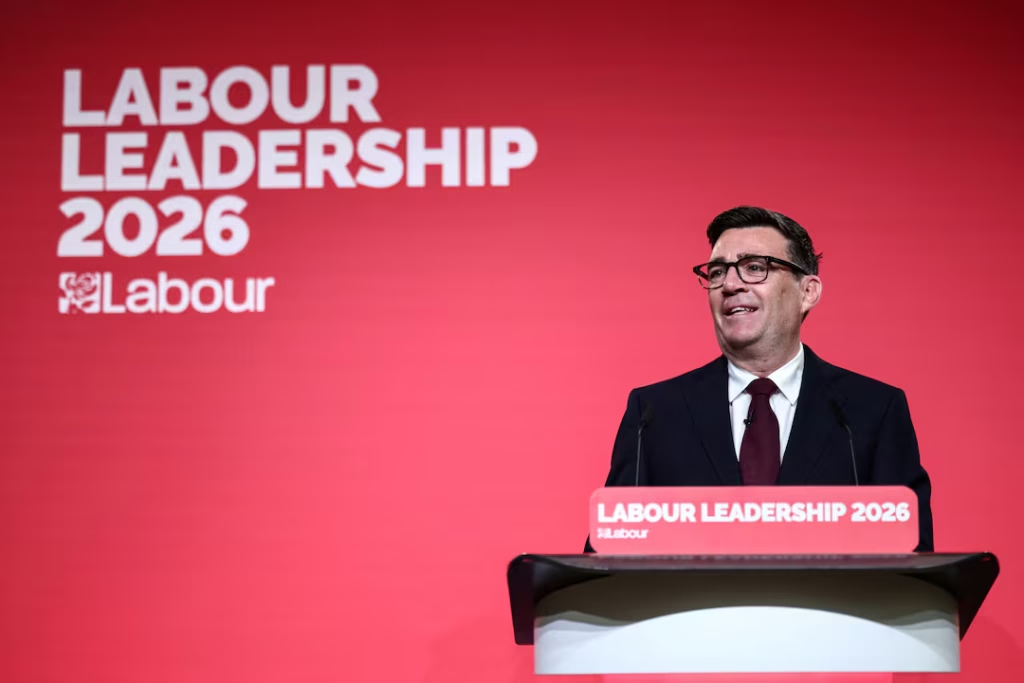
The labour party faces pressure on the economy trajectory of the government.
Chancellor John Healey is due to deliver his first Budget on 28 October, against a backdrop of rising debt costs and warnings that economic growth could remain weaker than previously expected.
The Organisation for Economic Co-operation and Development has projected that the UK economy will grow by 1%, slightly below its previous forecast of 1.1%.
The relatively modest growth outlook adds pressure on the government to demonstrate that its economic strategy can generate stronger expansion while maintaining control of public finances.
Against this backdrop, Kyle proposed the introduction of a “tax growth test” that would assess the impact of individual taxes on economic activity.
He also called for government experts to examine the obstacles that could be limiting growth, suggesting that ministers should identify and address barriers that prevent businesses and individuals from expanding economic activity.
This intersects with Burnham’s own approach to economic policy.
Before taking his current role, Burnham served as mayor of Greater Manchester, where he promoted greater devolution of powers from central government to regions and local authorities.
He has previously described his experience in Greater Manchester as giving him “a clear theory of growth” based on the belief that devolving powers to regions and nations can create stronger conditions for economic development.
Burnham has argued that greater local control could help deliver “good growth in every postcode” linking economic expansion to regional development rather than concentrating opportunities in a small number of areas.
That approach is now being tested at the national level as the government attempts to translate Labour’s broader economic ambitions into policies capable of producing measurable growth across the country.
On the other hand, Darren Jones, a close ally of Starmer and former Chief Secretary to the Prime Minister, recently argued that the Prime Minister should have been given more time in office and criticised what he described as a modern tendency to change leaders too quickly when governments become unpopular.
“In the past it was normal for governments to be unpopular midterm because you’ve got to take difficult structural long-term decisions.”
Darren Jones
He added that Labour MPs had a collective responsibility to help ensure the government succeeded.
The task facing the government is to strengthen Britain’s economic performance through structural change without losing sight of immediate concerns over living standards, public spending, taxation and employment.
Kyle’s call for greater urgency thus brings the question of economic growth into a wider assessment of Labour’s governing strategy, including whether faster expansion can be pursued while navigating the politically difficult compromises that may follow.
READ ALSO: Mahama Announces 1,200MW Gas Power Expansion