Ghana is scheduled to make an SDR13.284 million principal repayment to the International Monetary Fund on September 29, 2026, marking another step in the country’s transition from receiving emergency programme financing to servicing obligations accumulated under earlier Fund arrangements. The IMF’s projected-payments schedule lists the September 29 amount as a Poverty Reduction and Growth Trust repayment under the Extended Credit Facility.
It follows an SDR6.642 million ECF principal instalment scheduled for September 4 and precedes SDR8.3025 million due on October 6 and SDR73.8 million under the Rapid Credit Facility on October 16. The schedule also lists SDR7.56 million in net SDR charges for November 1 and a further SDR13.284 million ECF repayment for November 10.
The individual September payment is manageable relative to Ghana’s rebuilt external buffers, but the sequence matters economically. Ghana completed the sixth and final review of its US$3 billion ECF programme on July 27, 2026, receiving a final SDR265.9 million, about US$371 million.
With regular ECF disbursements now ended, external debt service increasingly has to be absorbed from Ghana’s own fiscal and foreign-exchange resources while the government protects reserves, restructures remaining external claims and maintains market confidence.
From IMF Financing to IMF Repayments
The repayment calendar therefore captures an important change in Ghana’s relationship with the Fund. The IMF now supports the country through a 36-month non-financing Policy Coordination Instrument rather than a lending programme.
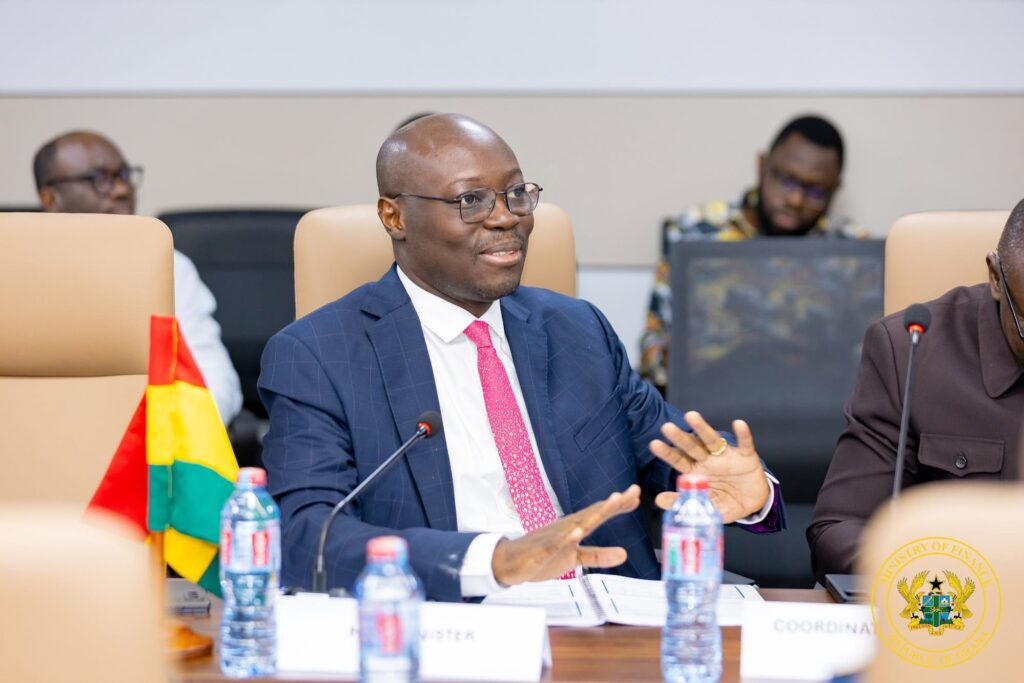
The PCI is designed to anchor fiscal, monetary and structural reforms without providing the balance-of-payments financing available under the ECF. Ghana’s earlier transition from the ECF into the new framework was examined when the country’s US$3 billion IMF programme reached its final stage.
For macroeconomic management, the distinction is significant. Under the ECF, IMF disbursements provided foreign-exchange resources while policy reforms and debt restructuring helped stabilise the economy.
Under the PCI, Ghana is expected to preserve those gains without comparable programme inflows. Fund repayments therefore become part of a wider test of whether the external position can remain resilient as official debt service normalises.
That resilience matters beyond the Fund account itself. Regular external repayments create demand for foreign currency and therefore interact with reserve accumulation, exchange-rate expectations and the country’s broader financing strategy.
If buffers remain strong, scheduled payments should be absorbed without destabilising the cedi. If external conditions weaken, however, the same obligations can narrow the room available for imports, intervention and other foreign-currency commitments.
Stronger Buffers Face a New Test
The IMF reported in July that gross international reserves had reached US$11.9 billion at the end of 2025, equivalent to about four months of imports, while the current account recorded a surplus of 7.9% of GDP.
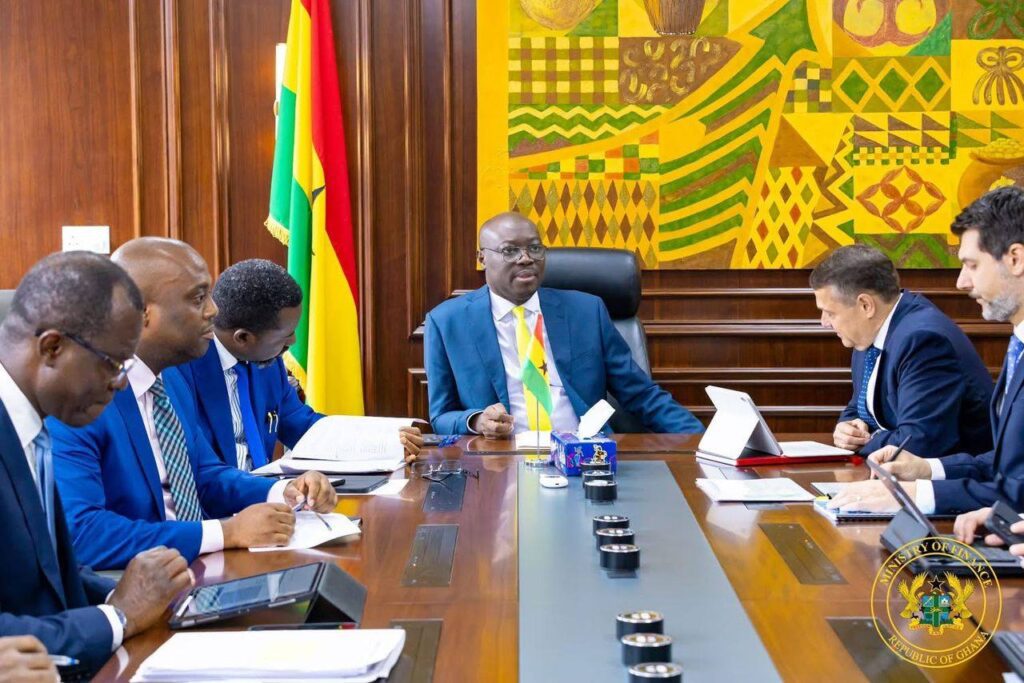
Those gains, together with stronger fiscal balances and progress on debt restructuring, contributed to Ghana’s risk of debt distress being upgraded from high to moderate. They provide an important buffer against scheduled external payments, but they do not eliminate the need for careful liquidity management.
The October 16 repayment is particularly notable because the SDR73.8 million RCF principal instalment is more than five times the amount listed for September 29. The calendar therefore places the September payment within a broader cluster of obligations rather than as an isolated transaction. That matters as Ghana also manages restructured sovereign debt and rising domestic obligations, with public debt reaching GH¢733.9 billion in July 2026.
Debt Service Is the Bigger Policy Question
The macroeconomic issue is not whether an IMF repayment by itself will destabilise the economy. Scheduled debt service is a normal consequence of borrowing. The more important question is whether Ghana can meet these obligations while continuing to accumulate adequate reserves, preserve fiscal discipline and avoid excessive reliance on new borrowing to refinance old commitments.
That challenge is central to the post-restructuring phase. Lower inflation, stronger reserves and improved debt indicators have reduced immediate vulnerability, but Ghana still faces significant refinancing needs and contingent liabilities.
The benefits of the stabilisation programme will therefore depend increasingly on the government’s ability to convert stronger macroeconomic indicators into durable financing capacity.

Projected Date, Not Confirmed Settlement
The IMF labels its payment dates as projected and notes that some due dates may be tentative. The September 29 entry should therefore be read as a scheduled obligation rather than confirmation that the transaction has already been settled. Confirmation of payment would require a subsequent update from the Fund or Ghanaian authorities.
Ghana’s move from IMF disbursements to IMF repayments is ultimately a measure of the next phase of economic normalisation. The test is no longer only whether the country can complete programme reviews.
It is whether the stronger fiscal and external buffers built during the ECF period can carry the cost of debt service while supporting investment, growth and a credible return to sustainable market financing.
READ ALSO: ECG Losses Deepen Ghana’s Energy-Sector Fiscal Risk