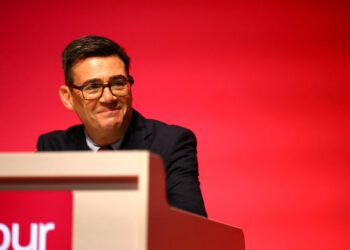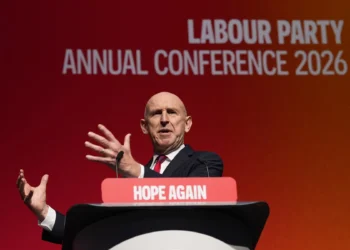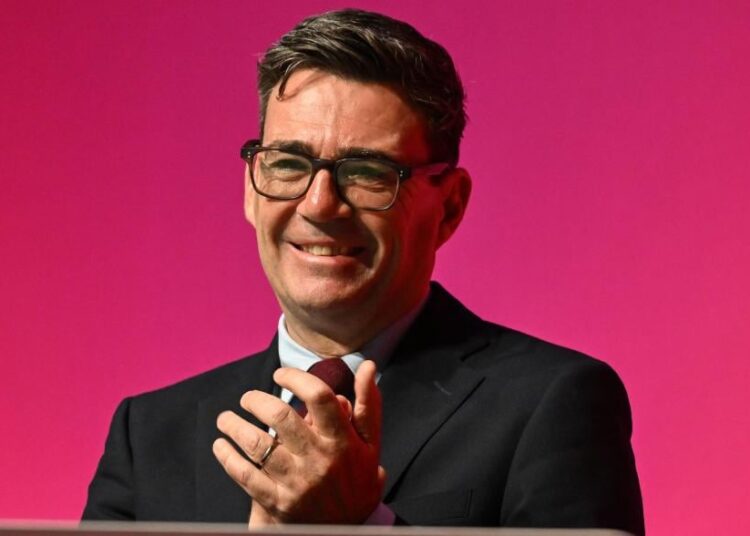
British Prime Minister Andy Burnham has used his first Labour Party conference speech as leader and Prime Minister to promise a fundamental break with the political and economic direction of the past four decades.
Addressing Labour delegates in Liverpool, Burnham presented his government as a “circuit-breaker” after years of economic drift, political division and institutional failure.
The Prime Minister’s central argument was that Britain had lost control over important parts of its economy and public services while political power had become increasingly concentrated. Rather than presenting individual policies as isolated reforms, Burnham framed them as components of a wider attempt to rebuild Britain’s economic model and restore public confidence in government.
“Everyone wants less drift and more direction. Today I answer that call. Hope comes from honesty, and we will have hope again. But first, honesty. It comes from saying the things politicians usually avoid. I will say it straight.
“Britain has been on the wrong path for a very long time. Deindustrialisation, deregulation, privatisation, austerity, Brexit. And what has it given us? A country run for vested interests, not in the public interest, with power held in to few hands and too many places left to drift.”
Andy Burnham
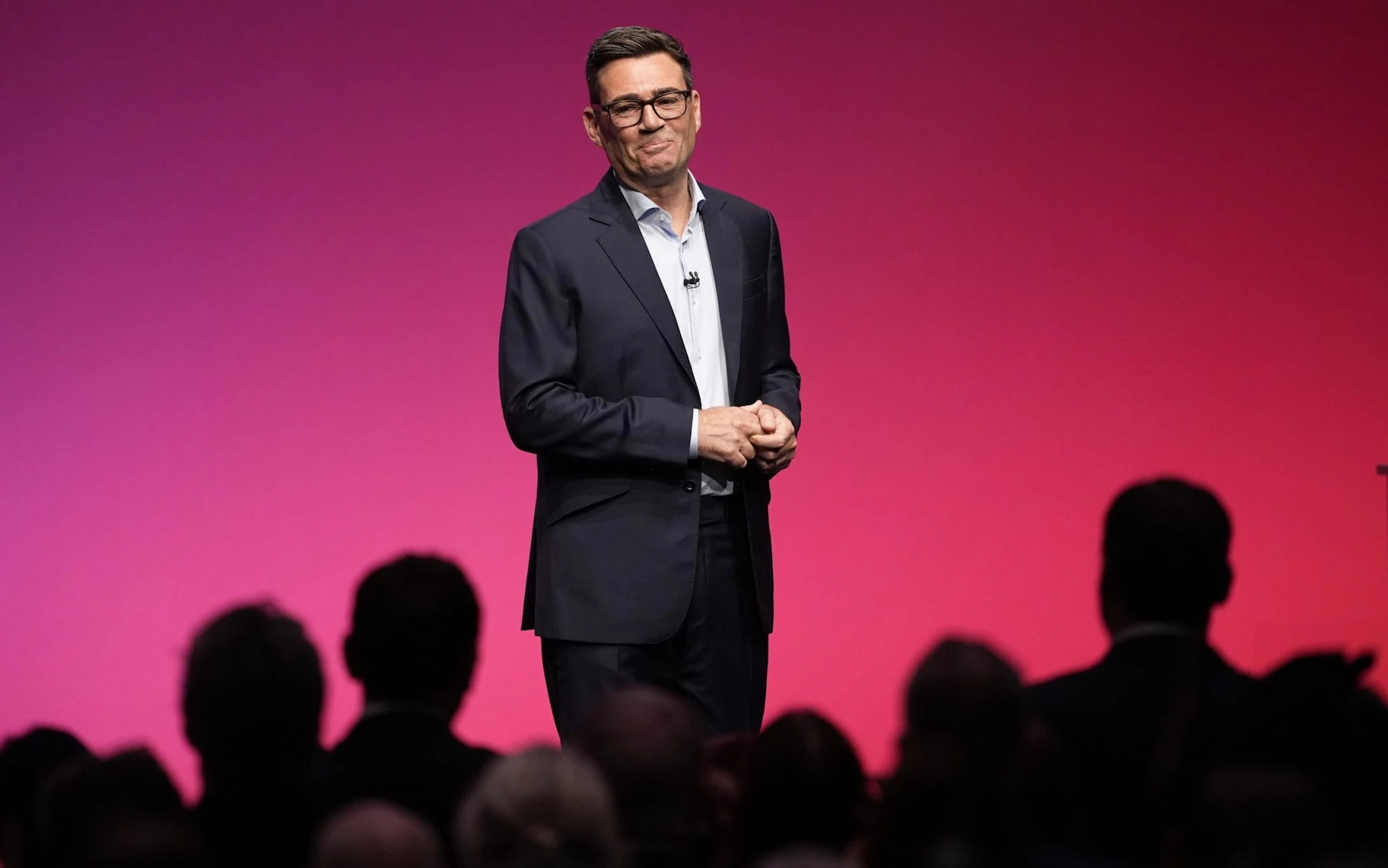
Burnham’s diagnosis placed particular emphasis on the consequences of Britain’s economic transformation since the 1980s. He argued that the wealth generated during previous decades had increasingly benefited a narrower section of society while essential services such as housing, water, energy, transport and care had been subjected to market pressures.
Burnham has been in office only since July, and his conference address was closely watched for evidence of how he intended to translate his promises of a “circuit breaker” into a longer-term governing programme.
His Downing Street speech after becoming Prime Minister had already pledged a 10-year plan, stronger local government and greater public control over essential services.
At the Labour conference, he expanded that argument into a much wider political project.
One of the clearest areas of change was Britain’s relationship with the European Union.
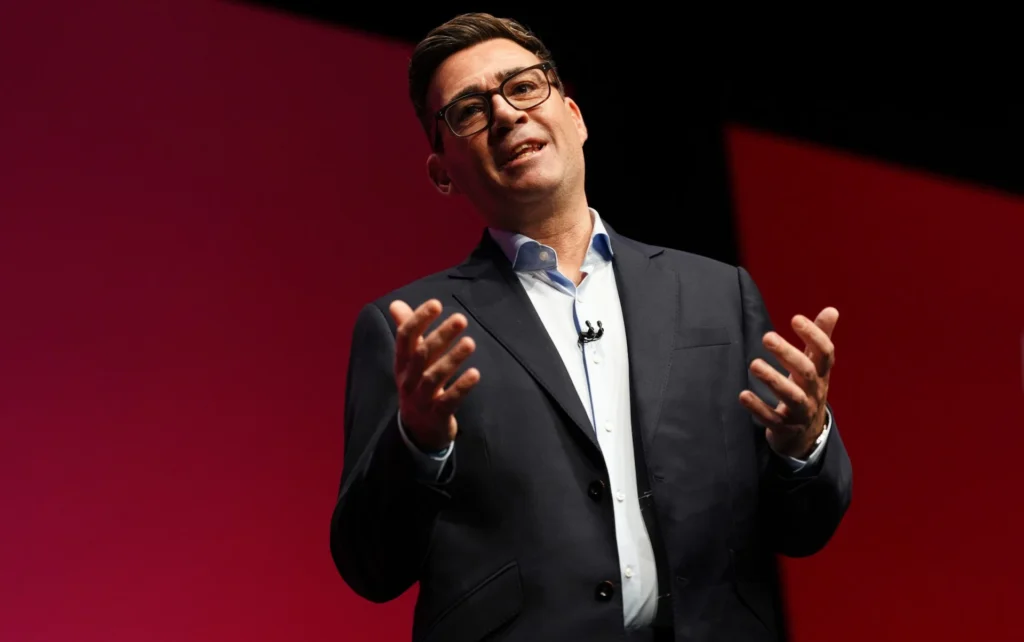
According to the Prime Minister, “Brexit has done more harm than good.”
“We’ve lost some of the control we had over our economy as a decade of low growth has put us in a weaker position and we’ve lost some control over immigration. Control over immigration was weakened when we lost collaboration with our European partners and we are still having to work hard to bring it back.
“One of the issues on the agenda will be how we best work together on immigration, and beyond that we will work to secure gains for our British industries most harmed by Brexit.”
Andy Burnham
Burnham Unveils Plans to Rebuild Britain’s Public Services
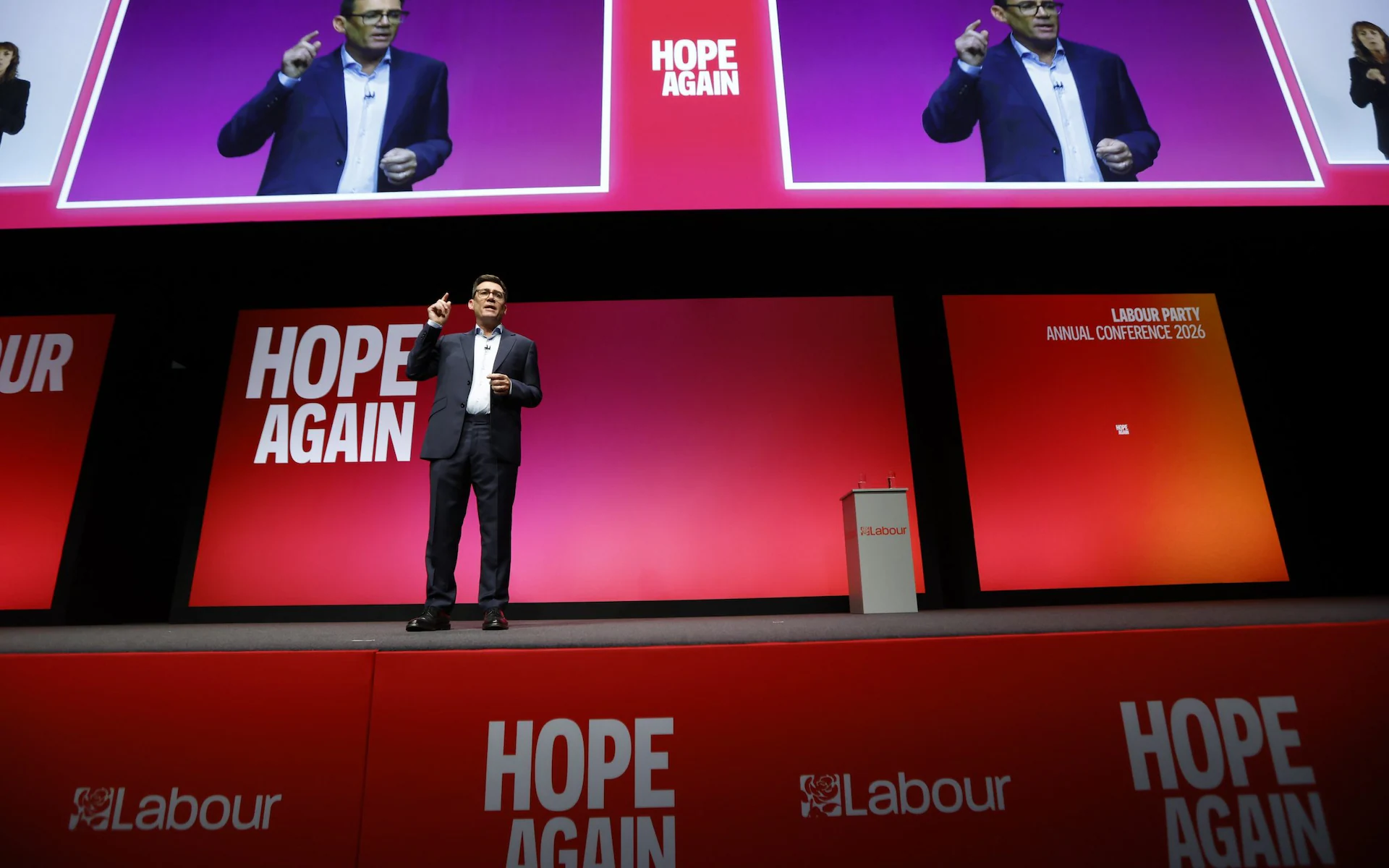
The centrepiece of Burnham’s domestic agenda was his argument that essential services should operate under stronger public control where the existing system has failed to deliver for consumers.
Burnham announced plans to repeal legislation associated with Margaret Thatcher’s era that has restricted public ownership of water companies, describing the water system as a symbol of wider failures in the British economic model.
“Water is a symbol of what’s gone wrong with Britain. A service where the shareholders never lose and the public never win, from which some have syphoned out easy money while the public picked up the bill for the sewage in our seas.
” It stinks.i will not allow it to continue like this. Today I can confirm Angela Eagle will present a strengthened Water Bill to Parliament. The centrepiece of that bill will be this, the repeal of Margaret Thatcher’s ideological ban on public ownership of water companies.”
Andy Burnham
The proposal would begin as a 10-year transition towards a different water system, with greater powers for mayors and local leaders to hold companies accountable.
Furthermore, Burnham indicated that, he had instructed Energy Secretary Miatta Fahnbulleh to accelerate efforts to reduce the relationship between wholesale energy costs and household electricity prices. He also announced a new publicly owned arm of Great British Energy, called the Great British Grid.
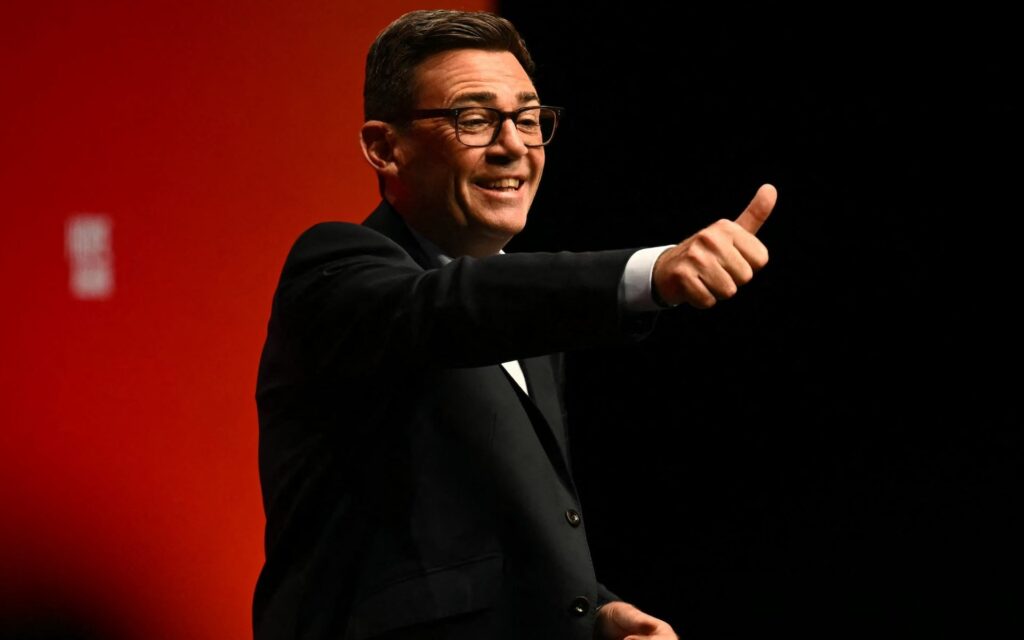
“For the first time we will have a national energy plan, and we will bring back local democratic control through a stronger role for mayors and local leaders. But we must go further. Today I can announce our plan for Great British Grid, a new branch of Great British Energy, a publicly-owned company that will challenge private sector operators.”
Andy Burnham
Housing was another area where Burnham connected present-day problems to decisions made decades earlier.
He attacked Margaret Thatcher’s Right to Buy policy, arguing that the sale of council housing contributed to the shortage facing households today.
“With a good home everything is possible. Without one it feels like nothing is. Kids can’t have a good start in life, families can’t have good health, physical and mental health. Over a million people are in that position on housing waiting lists, almost exactly the same number as the homes we lost in right to buy in the 1980s.”
Andy Burnham
He pledged to ensure that everyone has access to a home and linked housing security to wider outcomes involving health, family stability and opportunity.
Social care, however, emerged as perhaps the most consequential element of the speech.
Burnham recalled the experience of his grandmother, who he said lost her savings and home while receiving care, and described the current system as an enduring failure of successive governments.
“I vowed then to fight for something better for my parents’ generation and here we are, 25 years later. If anything, it’s worse today than it was then. What an indictment of my generation of politicians, myself included, too cowardly to fix something as basic as the care we give to each other. Is it any wonder people are giving up on politics?”
Andy Burnham
His answer is a National Care Service modelled around universal access and free provision at the point of use.
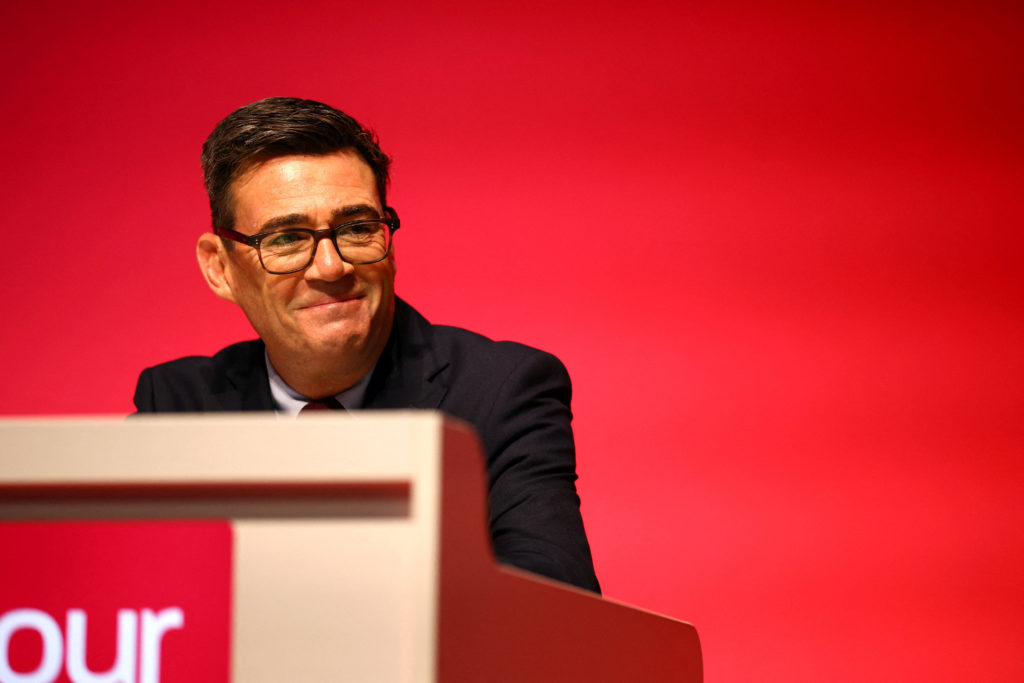
Burnham also confirmed that Labour would honour its existing commitment to the pension triple lock during the current Parliament but announced that its operation would change from April 2030. The government says the pension would continue to rise annually by at least inflation or 2.5%, while maintaining its value relative to earnings over time.
Beyond public services, Burnham also sought to reshape Britain’s approach to economic development and technological change.
He argued that the country could become a global leader in artificial intelligence while ensuring that technological development is accompanied by safeguards.
He also proposed work towards a global code for AI, arguing that Britain should play a role in capturing the technology’s economic benefits while addressing risks, particularly for young people.
In addition, Burnham announced a new national commission on electoral reform and noted that Labour would contest the next general election with a manifesto commitment to change the voting system.
Burnham concluded by returning to the theme that has defined his premiership since entering Downing Street: restoring confidence in Britain’s ability to change direction.
READ ALSO: Veep Calls for More Investment in Nutrition