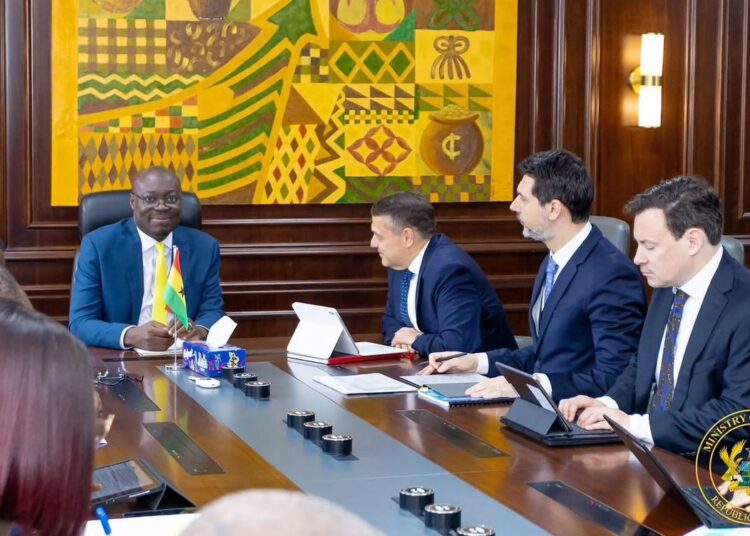
Ghana reaches its first formal assessment point under the International Monetary Fund’s (IMF) Policy Coordination Instrument (PCI) on September 30, 2026, opening the first major assessment window since the country completed its US$3 billion Extended Credit Facility programme in July.
The September 30 date is not an IMF verdict and does not mean Ghana has already passed its first PCI review. It is the reference date against which agreed quantitative and reform targets will later be assessed, with the first formal review scheduled for completion by January 15, 2027. That distinction matters because the new framework monitors Ghana’s policies without providing the regular programme financing available under the ECF.
The assessment therefore shifts attention from whether Ghana can unlock another IMF disbursement to whether the government can preserve fiscal discipline, reserve adequacy and structural reform after programme financing has ended. It comes one day after Ghana’s latest scheduled IMF repayment, reinforcing the broader transition from receiving Fund resources to managing policy credibility and debt service with its own fiscal and external buffers.
From Financing to Policy Discipline
The IMF approved Ghana’s 36-month non-financing PCI alongside completion of the sixth and final ECF review on July 27. The framework is intended to preserve the stabilisation achieved after the 2022 debt crisis while supporting private-sector-led growth and creating limited space for priority development expenditure.
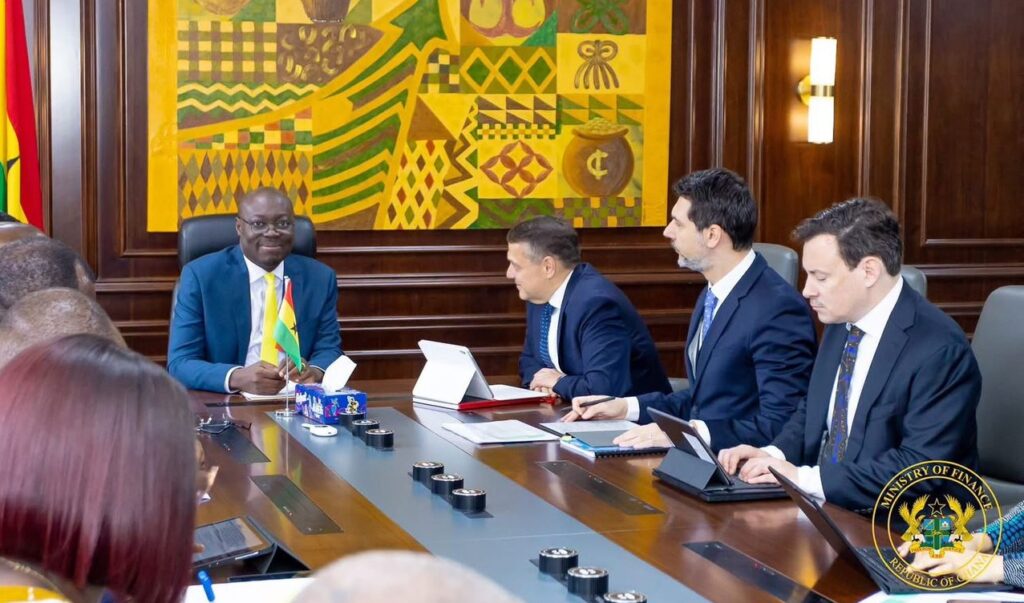
According to the IMF report, the first assessment covers quantitative targets linked to the primary fiscal balance, Bank of Ghana net international reserves, central-government financing, external borrowing and arrears. Continuous safeguards also restrict the accumulation of external payment arrears and other practices that could weaken external stability.
The fiscal target remains demanding. Ghana’s 2026 budget is built around a primary surplus of 1.5% of GDP on a commitment basis. From 2027, the PCI framework allows that target to ease to 0.5% of GDP, provided debt sustainability is preserved and progress continues on revenue mobilisation, expenditure control and oversight of fiscal risks.
That creates a delicate policy balance. The government wants additional room for infrastructure, social spending and economic transformation, but a wider spending envelope is sustainable only if new commitments do not recreate the arrears and off-budget liabilities that weakened Ghana’s fiscal position before the debt restructuring.
Fiscal Transparency Faces Test
The September assessment also places renewed emphasis on fiscal transparency. One of the IMF’s end-September reform targets required the Ministry of Finance to publish the Fiscal Strategy Document underpinning the 2027 Budget. That document is now publicly listed by the Ministry, providing forecasts, fiscal assumptions and a framework for assessing how new policy measures fit within Ghana’s medium-term resource envelope.
Publication is a visible reform step, but it does not by itself establish that all September targets have been met. The eventual IMF review will assess the broader programme, including quantitative outturns and implementation of agreed reforms. Ghana’s earlier fiscal debate has already shifted toward stronger commitment controls because meeting headline targets is not enough if ministries generate liabilities outside approved systems.
Reserve Buffers Face Assessment
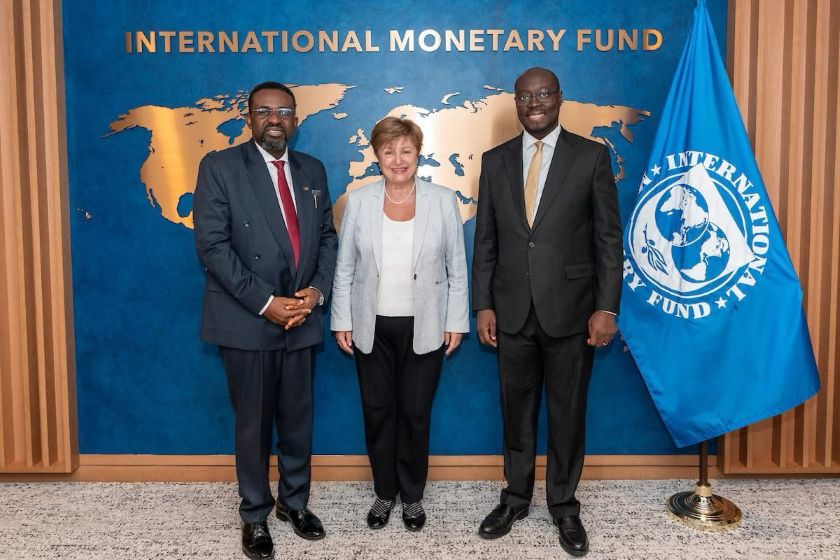
External buffers form the second major area of assessment. The authorities reported gross international reserves of US$10.9 billion in June 2026 under the programme definition, equivalent to about 4.2 months of forward imports. The government has also committed to building reserves toward at least six months of prospective imports by the end of 2029.
Those buffers are important because Ghana is simultaneously servicing restructured external obligations, making scheduled IMF repayments and managing commodity-price and capital-flow risks. Strong reserves can absorb external payments without destabilising the cedi, but reserve accumulation must remain durable rather than depend excessively on favourable gold prices or quasi-fiscal arrangements.
The PCI also keeps state-owned enterprises and quasi-fiscal risks under scrutiny, particularly in the energy, cocoa and gold sectors. These liabilities matter because losses outside the central government budget can ultimately migrate back onto the sovereign balance sheet, weakening the same fiscal indicators the programme is designed to protect.
January Review Will Give Verdict
For investors and businesses, the first PCI assessment is therefore less about a single number than about policy continuity. Ghana’s recent gains in inflation, reserves, debt restructuring and market confidence were achieved under intensive IMF-supported adjustment. The post-ECF question is whether those gains can survive when the financial incentive of programme disbursements has disappeared.
The first formal review, due by January 15, 2027, will provide the clearer judgement. Until then, September 30 should be treated as an assessment point rather than a result. Ghana has entered the stage where credibility will depend increasingly on implementation: maintaining fiscal discipline, protecting reserves and using the extra policy space from 2027 without rebuilding the imbalances that triggered the previous crisis.
READ ALSO: BoG Reveals Banking Sector’s Strongest Shield Against Shocks