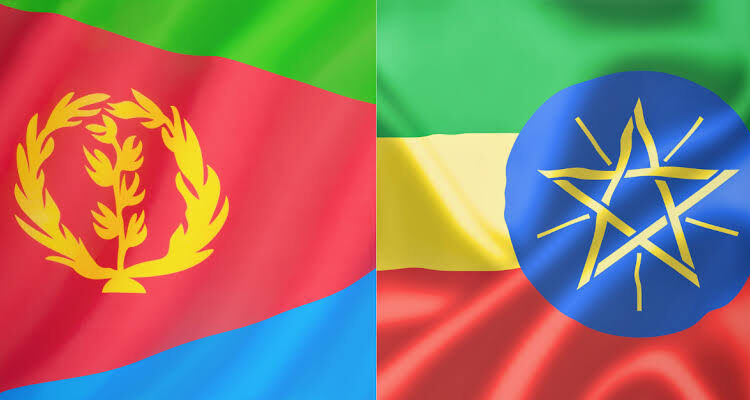
Ethiopia and Eritrea have severed diplomatic relations as renewed fighting in northern Ethiopia pushes the two long-time rivals into their most serious confrontation in years, raising fears that an increasingly complex conflict could spread beyond Ethiopia’s borders and destabilise the wider Horn of Africa.
The diplomatic rupture followed Ethiopia’s decision to close its embassy in Eritrea’s capital, Asmara, and expel 10 Eritrean diplomats, accusing them of activities that posed a direct threat to Ethiopia’s national security.
Eritrea responded by stating that it had no choice but to take reciprocal action and cut diplomatic relations with Addis Ababa.
The developments came as Ethiopian federal forces and their allies continue fighting the Tigray People’s Liberation Front (TPLF) and other armed groups across parts of Tigray, Afar and Amhara.
The renewed hostilities are the most serious escalation since the devastating 2020–2022 Tigray war, adding a military dimension to an already deteriorating diplomatic relationship between Ethiopia and Eritrea.
Eritrea’s foreign ministry described Ethiopia’s decision to close its embassy as “astounding” and stated, “Eritrea has no option but to reciprocate in kind and sever all diplomatic ties with Ethiopia.”
The confrontation has renewed strain on relations between the two neighbours after years of rapprochement following Prime Minister Abiy Ahmed’s decision to restore ties with Asmara in 2018. That reconciliation was once presented as a major step towards ending one of Africa’s longest-running interstate rivalries.
The latest breakdown, however, reflects a reversal of that period of cooperation. Ethiopia now accuses Eritrea of supporting an alliance of armed movements seeking to remove Abiy’s government, while Asmara has repeatedly denied involvement in the latest fighting.
Ethiopia has also accused Sudan and Egypt of supporting the opposition alliance, allegations that have likewise been denied. The diplomatic escalation therefore risks drawing several countries into an increasingly interconnected regional dispute.
The immediate crisis is unfolding against the backdrop of renewed fighting in northern Ethiopia. The TPLF recently joined six other armed movements, including the Fano militia from the Amhara region, in an alliance whose stated objective is to remove the federal government from power.
The Ethiopian government has accused Eritrea of supporting that alliance. A pro-government militia commander also alleged that Eritrean soldiers had been involved in fighting in Tigray, although such claims have not been independently verified.
Eritrea, meanwhile, has rejected the accusations. In a rare interview before diplomatic relations were severed, Eritrean Information Minister Yemane Gebremeskel accused Ethiopia’s government of blaming neighbouring countries for internal problems.
The African Union has also expressed concern over the escalating tensions and urged Ethiopia, Eritrea and Egypt to exercise maximum restraint.
The continental body has also called on the countries to preserve channels of communication and resolve their differences through diplomatic and peaceful means.
From Tigray War to a New Regional Flashpoint
The current confrontation cannot be separated from the legacy of Ethiopia’s devastating Tigray war, which erupted in 2020 after relations between Abiy’s federal government and the TPLF deteriorated sharply.
Eritrean forces fought alongside Ethiopian federal troops during that conflict, aligning Asmara with Addis Ababa against the TPLF. The war eventually ended with the Pretoria Agreement in November 2022, negotiated under African Union auspices.
The peace agreement became the principal framework for ending the conflict, and the African Union continues to describe it as the cornerstone of lasting peace and reconciliation in Ethiopia.
But the settlement did not resolve all of the political and territorial disputes left by the war.
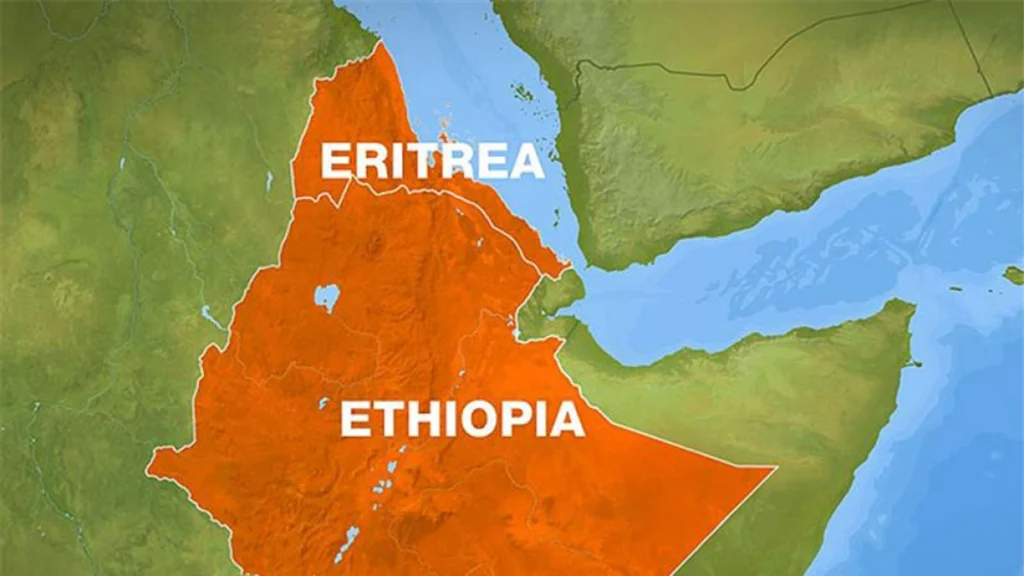
Relations between Addis Ababa and Asmara have deteriorated, particularly over Ethiopia’s efforts to secure direct access to the Red Sea.
Landlocked Ethiopia lost its coastline when Eritrea became independent in 1993.
Since then, Addis Ababa has relied heavily on neighbouring countries, particularly Djibouti, for access to international maritime trade.
Abiy has repeatedly argued that secure access to the sea is important to Ethiopia’s long-term economic and security interests. Eritrea, however, has viewed Ethiopia’s maritime ambitions with suspicion, particularly where they involve Eritrean ports or territory.
The disagreement has added a strategic dimension to an already fragile relationship.
The latest diplomatic crisis erupted as fighting was spreading across northern Ethiopia.
Federal forces and allied fighters have reportedly made gains in southern Tigray, including the strategic town of Alamata, while the conflict has also extended into Afar.
The conflict has also disrupted transport and civilian movement. Fighting near Lalibela previously led to the suspension of flights to the historic town, while residents in affected areas stocked up on food and cash amid fears that the renewed hostilities could develop into another full-scale war.
Reports of civilian casualties have added to the humanitarian concerns.
The United Nations has described the situation in northern Ethiopia as rapidly deteriorating, citing intensified fighting, the seizure of airports and the spread of hostilities into neighbouring areas.
UN Secretary-General António Guterres called for maximum restraint, protection of civilians and safe humanitarian access while warning against actions that could lead to a broader conflict.
The humanitarian consequences are particularly concerning because northern Ethiopia is still recovering from the destruction caused by the previous war.
READ ALSO: Minority Leader Demands Baffour Awuah’s Release, Challenges EOCO’s Conduct