Africa could be sitting on a vast pool of untapped capital locked inside land, gold, cocoa, infrastructure and trade receivables. The Securities and Exchange Commission, Ghana (SEC) believes tokenisation could provide a new route to unlock that value and connect it with a broader pool of investors.
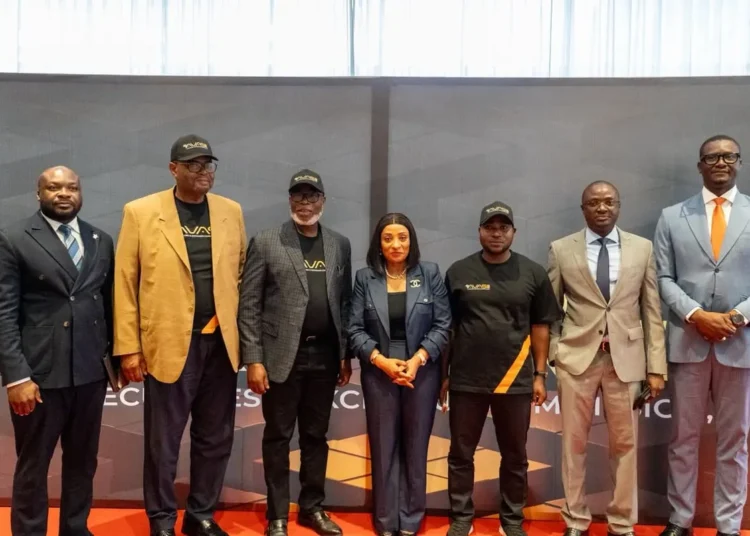
The regulator is therefore positioning the Africa Virtual Asset Summit (AVAS) 2026 as an important platform for shaping how digital assets and tokenised real-world assets develop across the continent.
The two-day summit, scheduled for November 2 and 3, 2026, at the Kempinski Hotel Gold Coast City in Accra, will bring regulators, financial institutions, technology companies, investors and other industry stakeholders together under the theme, “Tokenisation: Africa’s Pathway Towards Building a Trusted, Inclusive and Innovative Virtual Asset Ecosystem.”
At the centre of the discussions will be the proposed Accra Declaration, which is expected to establish shared principles and recommendations for developing responsible virtual asset and tokenisation ecosystems across Africa.
SEC sees tokenisation as a gateway to capital
The potential is significant because tokenisation can transform how ownership and investment in physical assets are structured.
Instead of requiring investors to commit large amounts of capital to an entire asset, tokenisation can allow ownership or economic interests to be represented digitally in smaller units. That could widen participation while potentially creating greater liquidity around assets that have traditionally been difficult to trade. “Liquidity is value,” Dr Avedzi said.
The SEC Director-General, Dr James Klutse Avedzi, believes the ability to divide assets into smaller digital interests could broaden the investor base and reduce the cost of capital.
That opportunity is particularly relevant to Africa, where productive assets exist alongside significant financing gaps.
Land, commodities, infrastructure and receivables can carry substantial economic value, yet many remain difficult to convert into accessible investment opportunities. Tokenisation could create another channel through which capital can flow into these assets.
It could also provide businesses with an additional mechanism to raise financing while giving domestic and diaspora investors greater access to productive opportunities.
Ghana wants regulation to keep pace with innovation
The push comes as virtual asset activity continues to grow across Africa, raising an increasingly important question about how regulators can encourage innovation without compromising investor protection. “Africa’s participation in virtual assets is already significant,” Dr Avedzi said at the launch.
“That growth must be matched by frameworks that promote innovation, protect investors and maintain confidence in the market.”
Dr Avedzi
Ghana has already taken a major regulatory step through the Virtual Asset Service Providers Act, 2025 (Act 1154).
The legislation provides the legal foundation for supervised growth of the sector and gives the SEC responsibility over areas including tokenisation, virtual asset issuance, exchanges, investment advisory services and virtual asset funds.
The Commission has also established a regulatory sandbox, allowing firms to test innovative products under supervision before moving toward full licensing.
That approach gives regulators an opportunity to understand emerging business models in practice rather than developing rules entirely around theoretical risks.
Fragmented rules threaten Africa’s digital asset ambitions
One of the biggest challenges facing the continent is regulatory fragmentation.
Virtual assets can move across borders with relative ease, but the rules governing them often remain confined within national jurisdictions. That mismatch can create barriers for investors, businesses and financial institutions seeking to participate in regional markets.
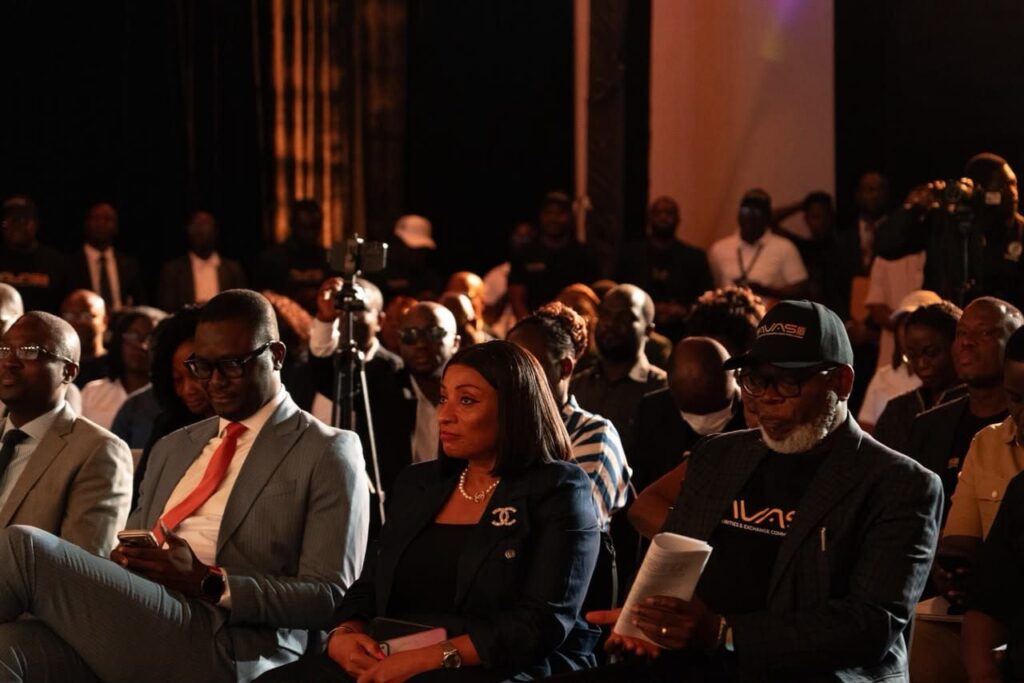
Deputy Director-General Emmanuel Mensah Thompson said AVAS 2026 will be used to push discussions around continental alignment on licensing, supervision and market rules.
He cited a recent example involving Ghanaian investors who sought to participate in a trans-African annuity product but were required to route transactions through Canada because of regulatory constraints at home. “Ghana needs to lead the path,” he said.
Nigeria’s Securities and Exchange Commission Director-General, Emomotimi Agama, also highlighted the need for regulators to cooperate, noting that virtual assets do not respect national borders.
The challenge, therefore, extends beyond Ghana. African regulators face the task of developing systems that can support cross-border activity while maintaining strong safeguards against money laundering, fraud, market abuse and other risks.
Accra summit targets continental cooperation
AVAS 2026 is expected to bring together more than 40 speakers from over 30 countries, with attendance projected to exceed 2,000 participants.
The first day will focus on regulation, governance and investor protection, with discussions covering licensing, market conduct, AML/CFT, stablecoins, supervision and cross-border payments.
The second day will turn attention to tokenisation, digital markets and financial inclusion. Participants will examine real-world asset tokenisation involving commodities, real estate, digital securities and capital markets, alongside CBDCs and digital payments.
Six thematic pillars will anchor the programme: licensing, digital securities, AML/CFT, cross-border cooperation, international standards and tokenisation.
Ghana eyes a bigger role in Africa’s digital finance future
The SEC is also seeking partnerships that can move beyond policy discussions into investment and technology transfer.
Ghana’s High Commissioner to the United Kingdom and Ireland, Her Excellency Sabah Zita Benson, called for partnerships that combine the UK’s financial-services expertise with Ghana’s entrepreneurial capacity.
Such partnerships could become increasingly important as African markets attempt to build digital asset infrastructure, custody systems, payment rails, digital identity solutions and compliance technology.
The choice confronting African markets is no longer simply whether virtual assets will exist. The bigger question is whether regulation, infrastructure and regional cooperation can develop quickly enough to ensure that the value created by these technologies benefits businesses, investors and the wider economy.
AVAS 2026 gives Ghana an opportunity to place that debate at the centre of Africa’s financial conversation. More importantly, it could help determine whether tokenisation becomes another digital finance buzzword or a practical mechanism for unlocking capital that has remained largely out of reach.
READ ALSO: Bawumia Tells NPP to Dissolve Camps and Unite for 2028 Victory