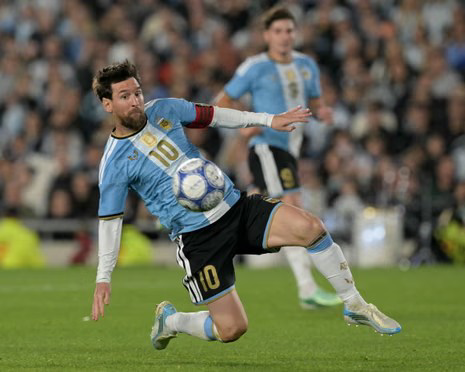
Lionel Messi signed off from international football in fitting fashion, having a hand in all three goals as Argentina cruised to a 3-0 victory over Benin in an emotional farewell at the Estadio Monumental in Buenos Aires.
The 39-year-old produced two assists before scoring himself from the penalty spot, ensuring his final appearance for La Albiceleste was marked by another decisive contribution.
After a goalless first half, Argentina finally broke the deadlock three minutes after the restart. Nicolas Otamendi finished from close range to put the South American champions ahead, with Messi involved in the build-up as the hosts began to find greater space against a Benin side that had remained compact before the interval.
Messi then turned provider again in the 61st minute, setting up Nico Paz to double Argentina’s advantage. The assist took his record tally for the national team to 68, further underlining the playmaking dimension that became increasingly prominent during the latter stages of his international career.
With Argentina firmly in control, Messi was given the opportunity to put the finishing touch to his farewell. He converted from the penalty spot in the 71st minute, completing a memorable final international performance and bringing his Argentina goals tally to 126.
The occasion had been built around Messi long before kick-off.
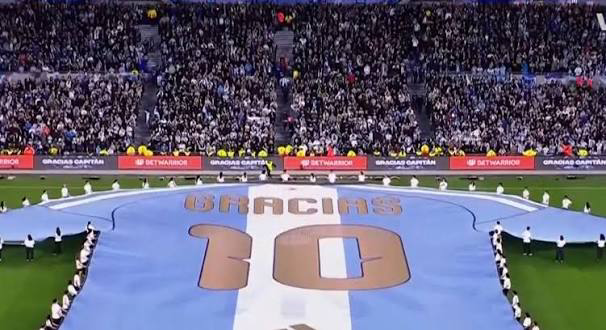
Argentina honoured their captain by displaying his iconic No. 10 shirt on the pitch with the ‘gracias’ (thank you) inscribed on the back, while more than 85,000 supporters gathered inside the Monumental to celebrate a player whose relationship with the national team evolved dramatically over his 21-year career.
Messi made his senior Argentina debut as an 18-year-old in 2005 and went on to become the country’s most-capped player and leading goalscorer.
From International Heartbreak to Argentina’s Triumphant Era
His international journey included difficult periods, particularly before Argentina’s golden era under Lionel Scaloni, where they lost three consecutive finals. The lost to Germany in the 2014 FIFA World Cup final in Brazil before back-to-back Copa America final defeats to Chile in 2015 and 2016.
But he ultimately left the national team having delivered the major trophies that had eluded him for much of his career.
Messi’s greatest achievements with Argentina came in the final years of his career. He finally won his first major senior international trophy at the 2021 Copa América, defeating Brazil in the final at the Maracanã.
A year later, Argentina defeated Italy in the 2022 Finalissima before Messi produced one of the defining campaigns of his career at the 2022 World Cup in Qatar. He scored seven goals and guided Argentina to the final, where they defeated France on penalties after a thrilling 3-3 draw to claim their third World Cup.
Argentina then retained their place at the summit of international football by winning the 2024 Copa América, with Messi lifting another major trophy before returning for what became his final World Cup campaign in 2026.
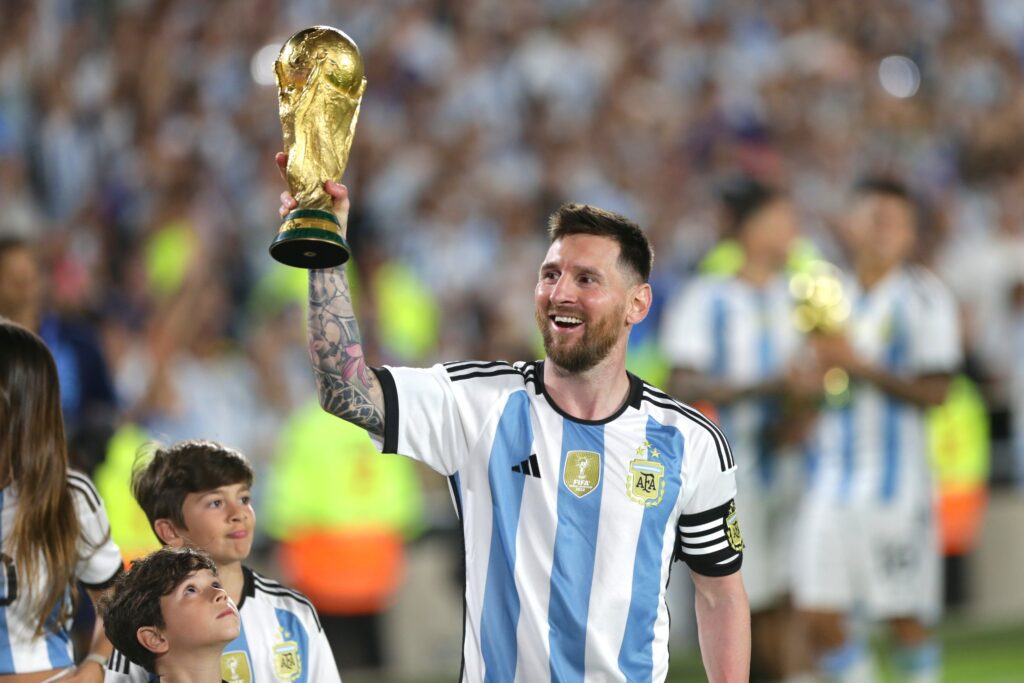
At the 2026 tournament, Messi helped Argentina reach another final, scoring eight goals and providing four assists. Their campaign ended with a 1-0 defeat to Spain after extra time, marking the third World Cup final of his career after the 2014 and 2022 showpieces.
Messi subsequently announced his international retirement in August, saying the decision had been painful but that he understood the time had come to close the chapter.
His farewell against Benin therefore brought an extraordinary international career to an end with Argentina.
Across 208 appearances, Messi scored 126 goals, won a World Cup, two Copa América titles and the Finalissima, while establishing himself as the most decorated and statistically accomplished player in the history of the Albiceleste.
And on his final night, he left one last reminder of what made him so influential setting up two goals and scoring one, a direct contribution to every goal Argentina scored on the night.
READ ALSO: Adwumawura Programme Equips Entrepreneurs with Practical Marketing Skills