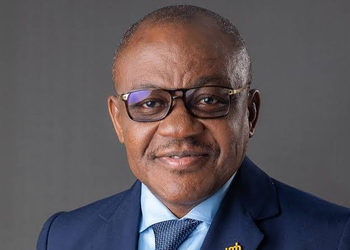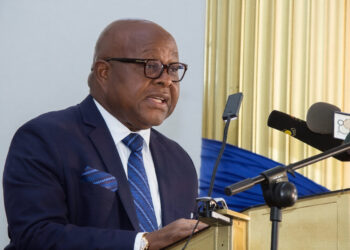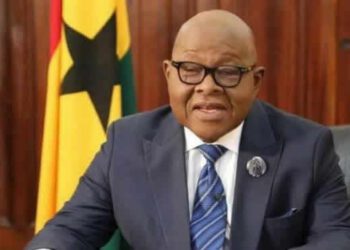
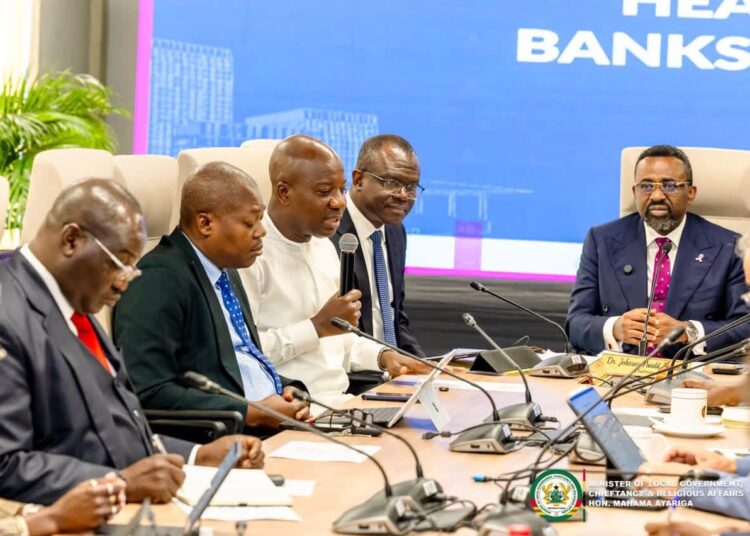
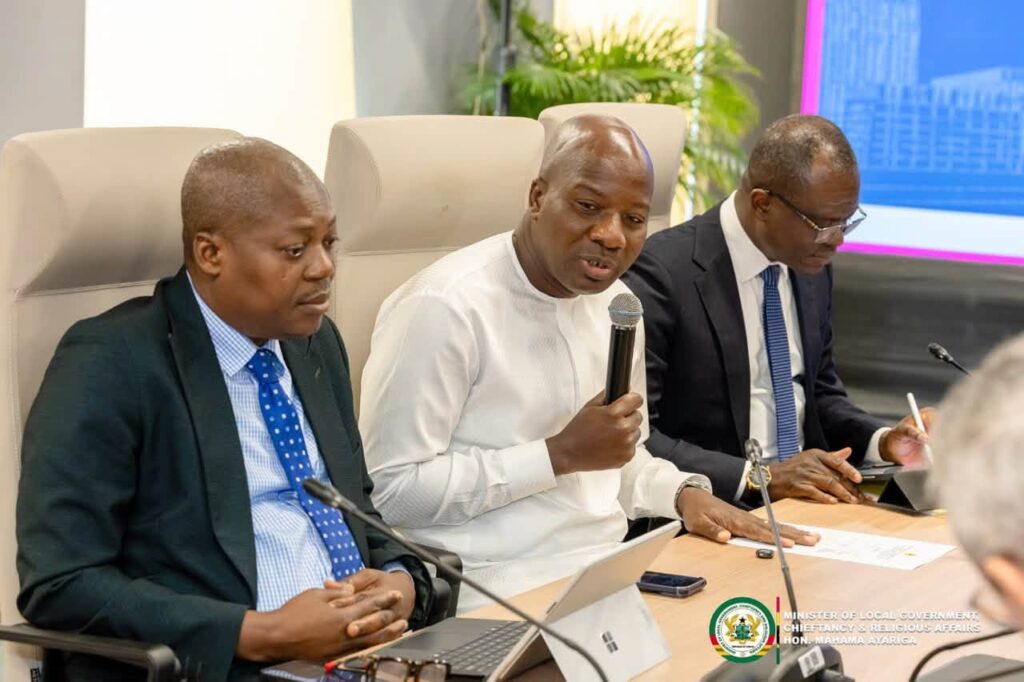
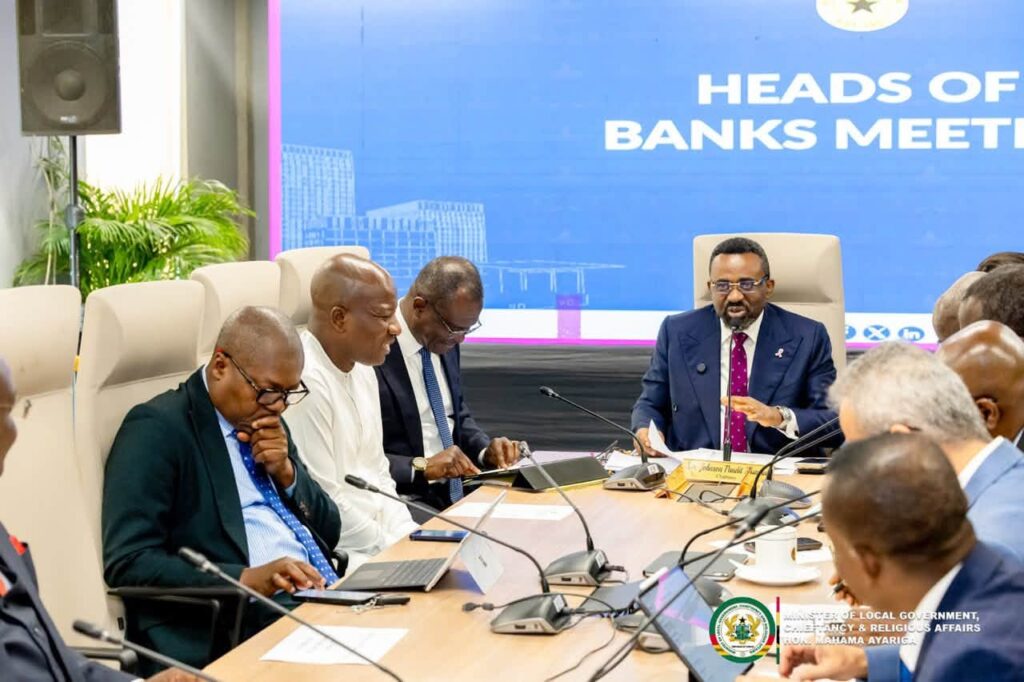
The Minister for Local Government, Hon. Mahama Ayariga, has asked the heads of Ghana’s banks to adopt certain public streets, rename them, and help keep them clean. He made the proposal at Bank Square before leading figures of the banking sector, including the Governor of the Bank of Ghana, Dr Johnson Asiama.
Hon. Ayariga, who is also the Member of Parliament for Bawku Central, wants the new names to remind citizens daily that banks and society must work together. He disclosed the plan in a statement after the meeting, where he also asked the lenders to help maintain and beautify the streets.
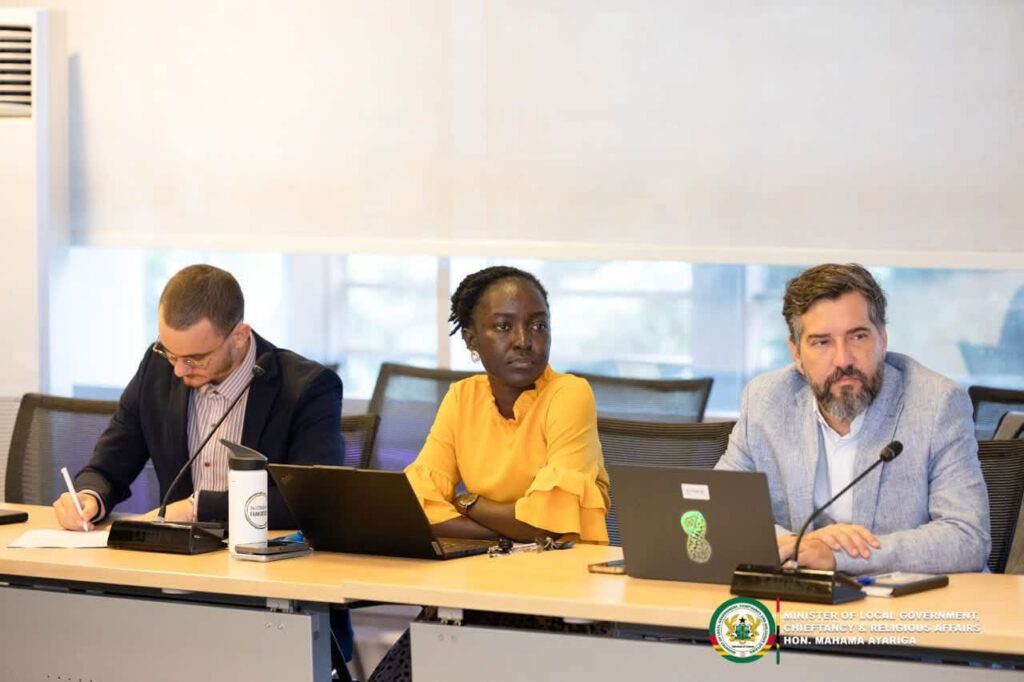
The meeting brought together the leadership of the banking sector and senior officials of the central bank. Besides Dr Asiama, those in attendance included Dr Zakari Mumuni, First Deputy Governor of the Bank of Ghana, and Prof John Gatsi, Technical Advisor at the Bank of Ghana, among others.
Hon. Ayariga described the engagement as an honour and explained why he sought it. “I speak not only as a minister but also as a fellow citizen who believes deeply in the power of cooperation”, he stated.
Street Renaming Proposal Aims to Symbolise Cooperation
At the centre of the proposal is a change in how Ghanaians relate to their streets. Hon. Ayariga told the bank heads he envisions “a society where our streets are more than just roads.”
He wants them to become “symbols of the bond between the people and the institutions that serve them.” To get there, he proposed renaming certain streets so that their new names carry the message of cooperation every day. The idea turns a street sign into a standing public message.
Hon. Ayariga was quick to add that names alone will not do the job. He made it clear that “renaming alone is not enough,” and he asked the bank heads to join him in maintaining and beautifying the streets.
In his view, banks have “the resources, the reach, and the responsibility” to help keep public spaces “clean, green, and welcoming.” He presented street adoption as a matter of public value.
“When a bank adopts a street, it is not merely cleaning a road; it is investing in the dignity of our people and the pride of our communities,” he stressed. The remark casts the arrangement as an investment in communities rather than a routine cleaning exercise.
Ministry Promises Partnership With Banks, Not a Burden
Hon. Ayariga moved to calm any worry that the request would weigh heavily on the lenders.
“I want to assure the bank heads that I do not see this as a burden placed upon them. I see it as a partnership. My ministry will work side by side with them to create a fair, transparent, and sustainable framework”.
Hon. Mahama Ayariga, Minister for Local Government and Bawku Central MP
He tied the proposal to a wider national aim, a truly cooperative society where every institution and every citizen plays a part. The street adoption idea did not appear overnight.
When Hon. Ayariga outlined plans for greener inner cities at the Government Accountability Series, The Vaultz News reported that President John Mahama had directed the development of an Inner City Big Push Initiative involving the Local Government Ministry, the Roads Ministry and the Ministry of Finance.
The programme is meant to mobilise resources through a reconfigured property rate regime and betterment charges. The minister described the objective as “to ensure every neighbourhood in our cities has paved roads, paved streets, paved walkways, adequate drainage, street lighting, and enough greenery.”
He also disclosed then that banks, manufacturing companies, construction firms, logistics companies and insurance companies were among the private institutions being considered, and that he had scheduled an engagement with the Governor of the Bank of Ghana to set up a platform for discussions with heads of financial institutions.
Under that earlier proposal, participating companies would support reconstruction, maintenance, lighting and landscaping of the streets they adopt, with advertising rights among the incentives.
Hon. Ayariga has also held talks with the World Bank on planning, resilience and inclusion in Ghana’s growing cities, which he described as productive.
Details of the Street Adoption Plan Remain Open
The statement does not name the streets earmarked for renaming, the banks that would adopt them, or a timeline for the framework. Earlier reporting indicated that the initiative was expected to launch after the final participation framework received presidential approval.
For now, the next move belongs to the banks, and their response will determine whether renamed streets move from proposal to pavement.
READ ALSO: Mahama Courts Indian Investment to Boost Ghana’s Pharmaceutical and Vaccine Manufacturing