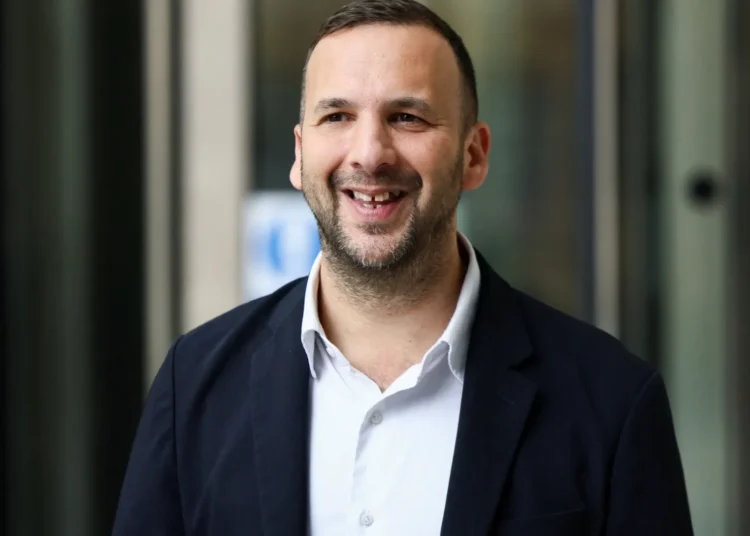
Green Party leader Zack Polanski has opposed an unamended motion adopted by party members that defines Zionism as a form of racism, indicating he would not have supported it in its original form.
In an interview, Polanski described the motion as “imperfect.”
“There are parts of the motion I disagree with and parts I agree with. The part I disagree with is the Green Party of England and Wales or indeed even the British government deciding that there should be a single state. I think that’s up to the Israelis and the Palestinians.”
Zack Polanski
The leader’s clarification came as the controversy continued to expose divisions within the party, with several Green MPs opposing the motion and former leader Caroline Lucas questioning whether Polanski had demonstrated sufficient leadership.
The dispute has added to the pressure on Polanski following his unsuccessful attempt to enter Parliament in the Holborn and St Pancras by-election, where Labour’s Sagal Abdi-Wali retained the seat.
Although the Greens substantially increased their share of the vote, Polanski’s defeat left questions about his leadership unfolding alongside the dispute over the party’s newly adopted policy.
Polanski Explains His Position on the Motion
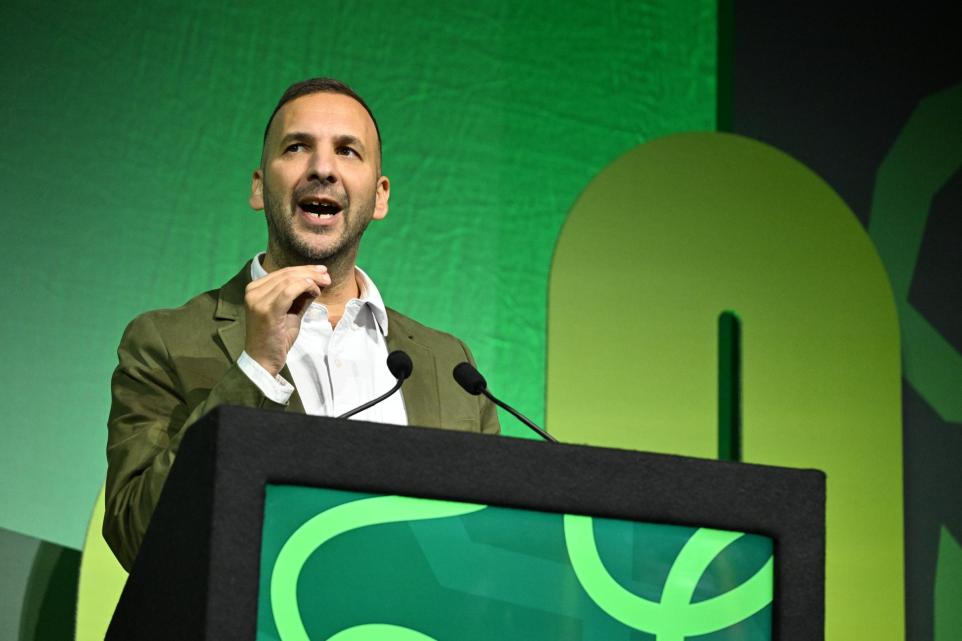
Pressed repeatedly about how he would have voted at the conference, Polanski maintained that his objection centred on the motion’s proposed political settlement.
“In terms of the actual substantial part of the motion, the displacement and genocide of the Palestinian people is clearly underpinned by a racist ideology. I think that’s obvious.”
Zack Polanski
Israel has repeatedly denied that its military actions in Gaza amount to genocide. The allegations have featured in international legal and political debates over the conduct of the war and the treatment of Palestinians.
The Green Party Leader argued that the motion should not determine whether Israelis and Palestinians establish a single state or pursue another political arrangement. Instead, he said, that decision should be left to the people directly involved.
Polanski had also wanted the motion to specify that it should not be used to discipline Jewish members because they attended synagogues or belonged to religious organisations that considered themselves Zionist. Both amendments he favoured were rejected by conference delegates.
The adopted motion defines Zionism as an ideology supporting an “ethnonationalist Jewish state” and calls for a single democratic Palestinian state throughout historic Palestine. It also establishes the party’s position that Zionism should be treated as a form of racism.
Under Green Party rules, motions approved by members become official party policy, although they are not automatically guaranteed to appear in the party’s manifesto at the next general election.
Polanski’s attempt to distinguish his own position from the motion’s final wording therefore leaves a question about how the party will apply the policy and whether further clarification will be required to address concerns raised by members and outside organisations.
The Green leader has also sought to reassure Jewish members that nobody would be excluded from the party because of their faith, where they worship or the religious organisation to which they belong.
Green Party Divisions Deepen Over Controversial Vote
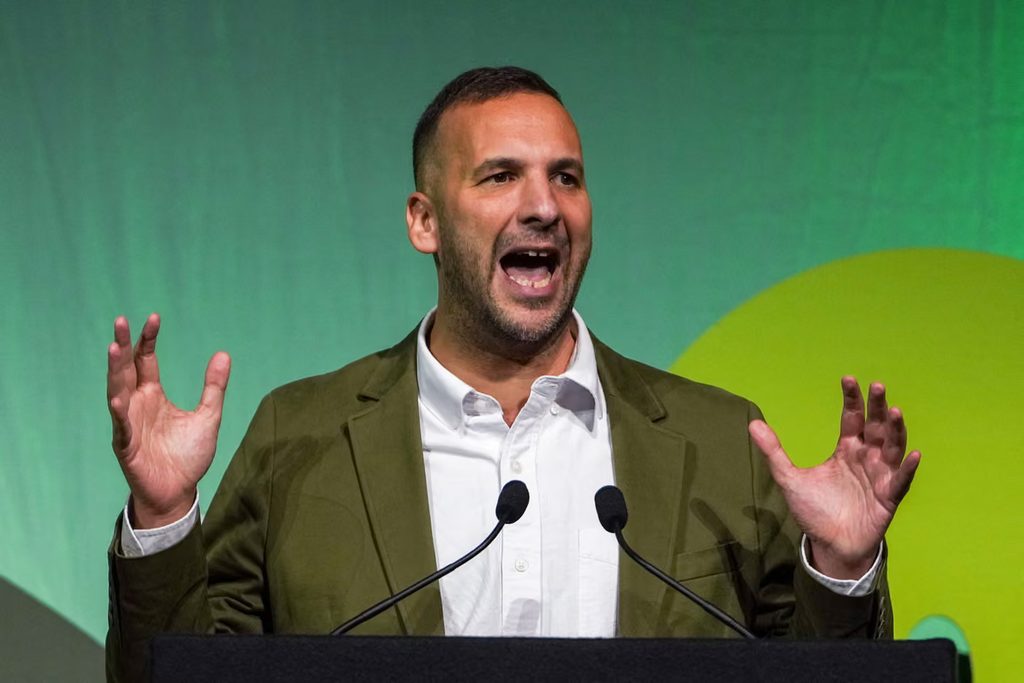
The dispute has exposed a divide between the Green Party’s membership and several of its elected representatives, with four of the party’s five MPs opposing the motion.
Former Green Party leader Caroline Lucas is among those who criticised the decision.
She described the motion as “dangerous”, “divisive” and “flawed from top to bottom.”
Caroline Lucas also questioned Polanski’s handling of the issue, arguing that he needed to address the controversy directly and demonstrate the leadership she believed had been missing during the conference debate.
“I think let’s just see what happens in the coming days and weeks. Obviously, he has been completely taken up with this by-election. I want him to speak now about what’s happened; I want him to show the leadership that was frankly missing on Sunday.”
Caroline Lucas
Polanski responded by stating that he liked and respected Lucas and that she was entitled to her opinion. He defended his absence from the debate by pointing to his campaign commitments.
Moreover, the Jewish Leadership Council and the Board of Deputies of British Jews condemned the motion, while the European Green Party also criticised the decision.
The motion also prompted the resignation of the Green Deputy Leader in Wales, adding to concerns about the consequences of the conference decision for the party’s internal cohesion.
Prime Minister Andy Burnham has called on Polanski to reverse the motion and ensure it does not remain Green Party policy. Speaking during a visit to Berlin, the Prime Minister described the decision as “completely wrong” and an example of “terrible judgement.”
He also argued that the motion effectively ruled out a two-state solution between Israel and Palestine.
READ ALSO: Cedi’s Brief Recovery Masks Growing Dollar Supply Crisis