UK has pledged to bring back President Donald Trump and Ukrainian President Volodymyr Zelensky together after the US President decided to allow Russian diesel imports triggered tensions with Ukraine.
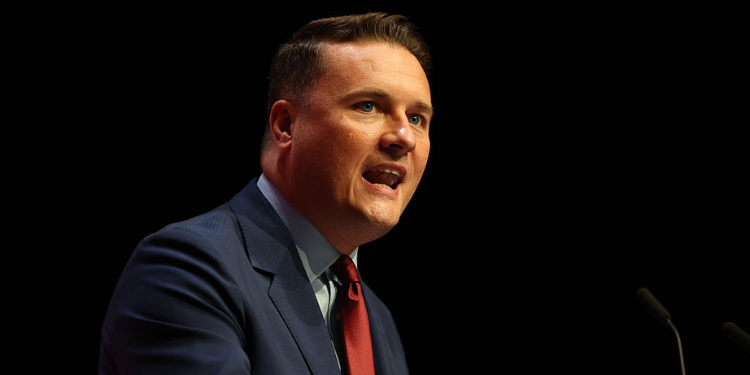
UK Defence Secretary Wes Streeting stated that UK’s priority is to preserve unity among Ukraine’s Western allies as the war with Russia continues, warning that divisions could complicate efforts to maintain pressure on Russia.
“Our approach, our role, our responsibility in this situation is to try and bring our friends back together. What we want to see and what we need to see is unity in the face of Russian aggression and imperialism.”
Wes Streeting
His remarks followed Trump’s announcement of an agreement with Russian President Vladimir Putin to facilitate diesel supplies to the United States and international markets.
Moreover, the US President has called for Ukraine to replace Zelensky, arguing that the Ukrainian leader failed to reach an agreement to end the war after Zelensky criticized the diesel arrangement.
Streeting acknowledged that disagreements between Washington and Kyiv were not unprecedented but maintained that Britain’s responsibility was to keep the US engaged in supporting Ukraine.
Wes Streeting also confirmed that UK had not been informed in advance of the US decision to ease restrictions on Russian diesel exports.
UK Rejects Sanctions Relief as Streeting Defends Western Unity
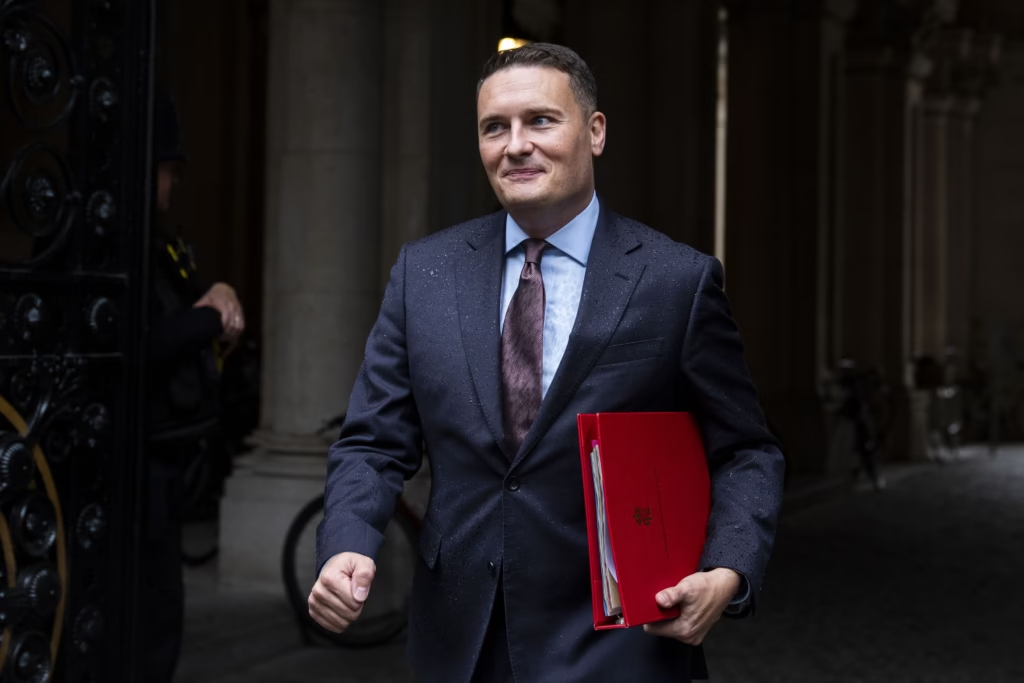
In addition, Streeting rejected suggestions that the US agreement had completely undermined European efforts to weaken Russia’s ability to finance the war, describing that assessment as an overstatement.
He nevertheless acknowledged that Britain would prefer a stronger approach to sanctions and wanted its allies to maintain pressure on Moscow.
“We want to see all of our allies increasing pressure on Russia, including through economic sanctions. And the UK intends to do more in this respect.”
Wes Streeting
UK government has sought to maintain support for Kyiv while avoiding a public rupture with the US administration, whose continued involvement remains important to diplomatic and military coordination.
Streeting also connected Trump’s decision to the political pressures facing the US president ahead of November’s midterm elections.
“Let’s be candid about this, midterms are coming up. Cost of living is an issue, and no doubt President Trump is feeling the same pressure that lots of leaders are facing in terms of wanting to ease cost of living pressures.”
Wes Streeting
Asked whether he was directly linking the election timetable to the Russian diesel arrangement, he described the connection as a political reality, pointing to the importance of energy prices in public debate.
He also pointed to a planned meeting between Prime Minister Andy Burnham and Zelensky as part of Britain’s continuing diplomatic engagement with Kyiv. The government has reaffirmed its support for Ukraine and its opposition to Russia’s invasion, maintaining a position that has continued across successive Conservative and Labour administrations.
Streeting invoked the support provided by former Prime Minister Boris Johnson before Russia’s full-scale invasion in February 2022, arguing that British assistance had continued under different governments.
“We stand with Ukraine. We have done since the beginning of this war,” he stated.
He added that the US administration remained “highly engaged on Ukraine” and that it was his and the Prime Minister’s responsibility “to keep it that way.”
Defence Spending and Regional Threats Put Pressure on Government
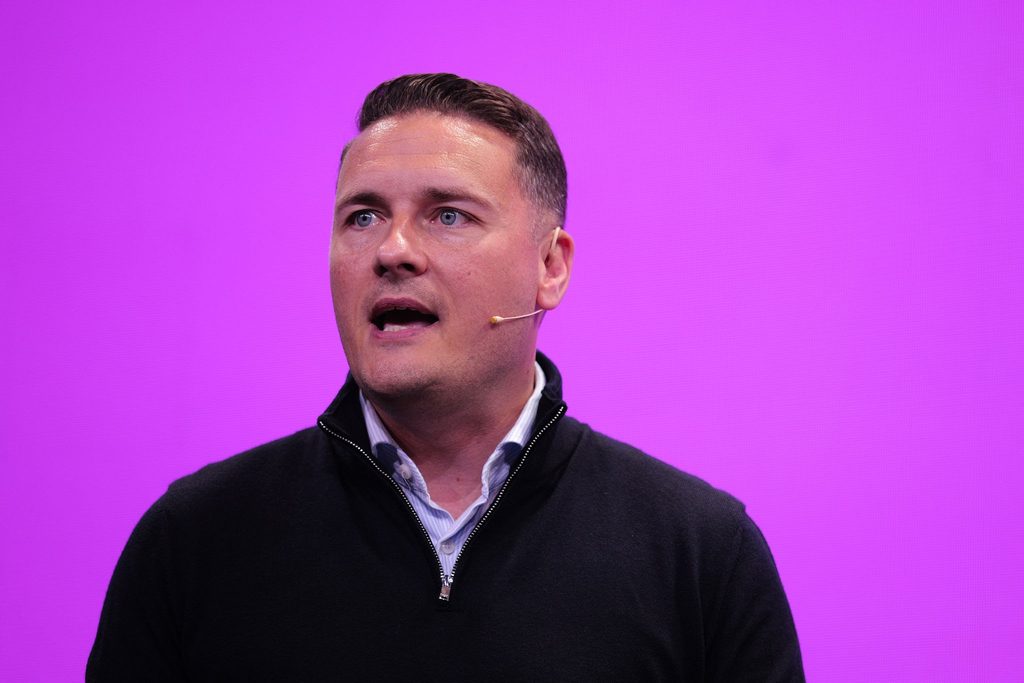
Meanwhile, the dispute over Russia has also sharpened the political discourse in Britain about whether the country has sufficient resources to meet its defence commitments amid a more volatile international security environment.
Wes Streeting noted that Chancellor John Healey would set out at the budget on October 28 how the government intended to address a shortfall in its defence investment plans. He confirmed that the government expected to explain how it would close the gap and establish a timetable for meeting its longer-term spending commitments.
He added that the following spending review would set out how Britain planned to meet its commitment to spend 3.5% of gross domestic product on defence by 2035, alongside an interim 3% milestone.
The government has faced pressure from the Conservatives to provide clearer guarantees on defence funding. Shadow Chancellor Andrew Griffith argued that Britain faced unprecedented threats on several fronts and maintained that a stronger domestic economy was necessary to support higher military expenditure.
“The best thing” Britain could do to protect itself from global instability, Griffith argued, was to build a stronger economy that would give the country the capacity to fund defence adequately.
He also criticised the government’s defence investment plans, describing the lack of funding as a weakness in Britain’s ability to respond to international threats.
The Conservatives have called for Labour to make the financial choices required to support higher spending, including examining welfare reform and the overall cost of government.
Wes Streeting, meanwhile, defended the government’s record and stated its defence plans were designed to meet Britain’s obligations and strengthen national security over the coming decade.