United Nations refugee agency has warned that mounting humanitarian needs and shrinking financial support are placing the international system for protecting displaced people under severe strain.
The UN High Commissioner for Refugees (UNHCR) has received just $3 billion of the $8.5 billion required for its operations in 2026, leaving the agency with a substantial funding gap as conflicts and other emergencies continue to force people from their homes.
An estimated 117 million people remain forcibly displaced around the world, further straining humanitarian organisations and the countries providing shelter to refugees amid the funding shortfall.
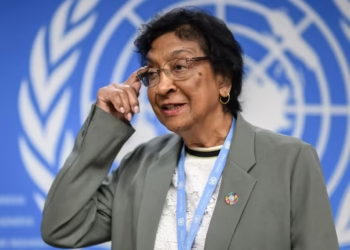
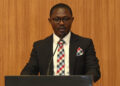
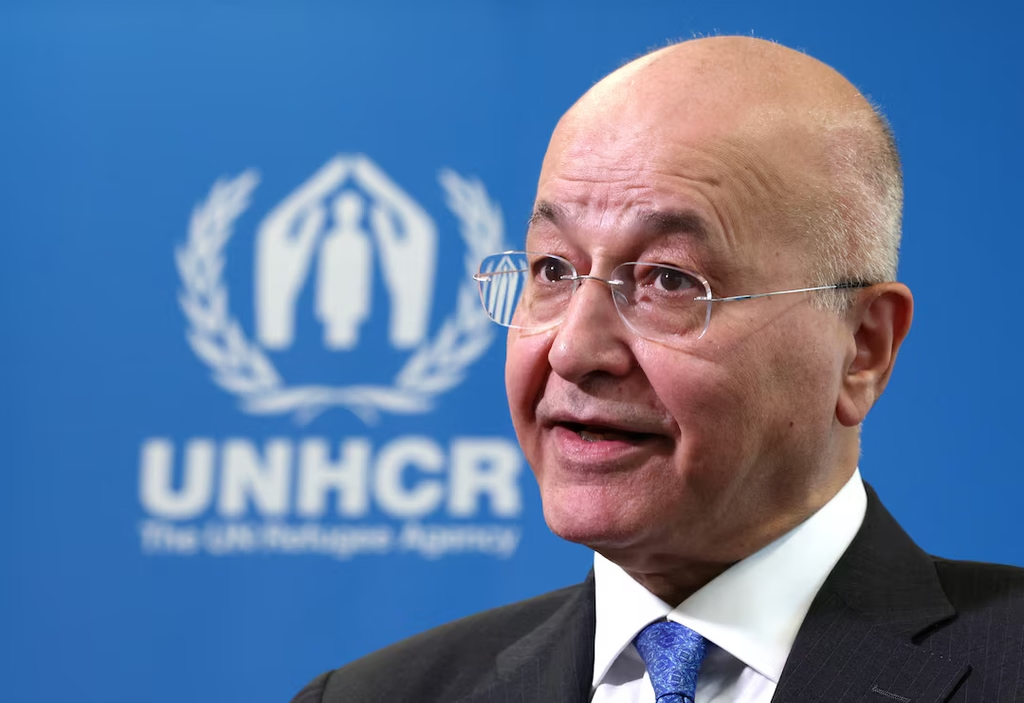
Barham Salih, the UN High Commissioner for Refugees, raised the alarm in his first keynote address to the agency’s Executive Committee meeting in Geneva, warning that the international commitment to protect people fleeing persecution and violence is being undermined by financial constraints.
Salih described the past year as “exceptionally difficult,” pointing to the departure of 8,000 staff members since 2024.
He also stressed that “there is a difference between doing more with less and being asked to do the impossible.”
Heavy reliance on government and donor contributions has placed the sustainability of the international humanitarian system under scrutiny. Humanitarian organisations face the dual challenge of responding to immediate crises and providing longer-term assistance, while funding gaps threaten the continuity of essential services.
Funding Cuts Threaten Essential Protection Services
The consequences of the funding shortfall are already visible in countries where refugees and other displaced populations depend on specialised assistance to address urgent protection needs.
“In Sudan, insufficient funding threatens specialised medical care, legal assistance and psychological support for more than 50,000 survivors of conflict-related sexual violence.”
Barham Salih
In neighbouring Chad, services for thousands of unaccompanied and separated children, including those with specific protection needs, are also at risk. Children who have been separated from their families often require dedicated safeguarding, assistance, and support to navigate unfamiliar environments. Interruptions to these services can leave them exposed to further risks.
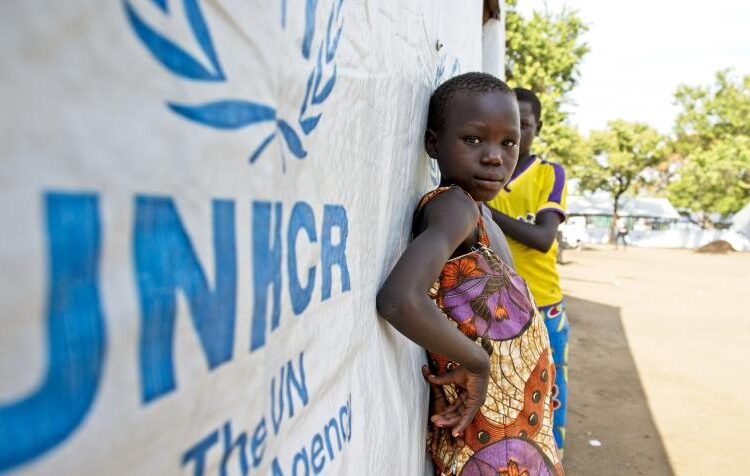
Ethiopia faces a different but equally significant challenge. Refugee registration has been halted for tens of thousands of people arriving from South Sudan and Eritrea, while hundreds of thousands more are awaiting verification and integration into the national identification system.
The cases illustrate how funding constraints affect different parts of the protection system, from emergency medical and psychological care to child safeguarding and administrative processes. Although the pressures vary across countries, the underlying problem is similar: services that depend on sustained financial support become difficult to maintain when funding falls short.
Salih warned that these consequences cannot be adequately captured by budget figures alone. Behind each funding gap are people whose access to safety, essential services and opportunities to recover may be affected.
He argued that improved efficiency has limits, particularly when agencies have already reduced staffing and adjusted their operations to accommodate financial pressures.
“There comes a point when greater efficiency cannot compensate for fewer resources. When funding falls below that point, the consequences are not abstract; they are borne by people who depend on it.”
Barham Salih
Global Emergencies Intensify Pressure on Refugee System
The funding crisis comes as UNHCR continues to respond to displacement emergencies across several regions, with conflict uprooting people faster than governments and aid agencies can consistently assist.
So far in 2026, the agency has responded to 22 emergencies in 18 countries, spanning areas from Yemen and the Horn of Africa to Sudan and the Sahel. The scale of these operations reflects the breadth of humanitarian needs facing the international community and the difficulty of sustaining responses across multiple crises simultaneously.
Despite those demands, UNHCR has received less than one-third of its funding requirement for the year.
UNHCR Chief informed the UN Security Council that the situation facing refugees is “genuinely, truly, inhumane.”
He also highlighted an initiative launched earlier in 2026 that seeks to halve the number of refugees living in protracted displacement and dependent on humanitarian assistance by 2035.
Nearly 14.5 million refugees in low- and middle-income countries currently rely on aid to meet their basic needs, according to Salih
“We cannot claim success simply because assistance has been reduced or responsibility has been transferred to host countries. Success is measured by whether people’s lives have genuinely improved and whether they have become self-reliant and active contributors to their communities. For those who still require humanitarian support, our responsibility remains.”
Barham Salih
He also urged the international community to approach refugees and asylum-seekers with solidarity and humility, reminding governments that displacement can affect people in circumstances that are difficult to predict.
READ ALSO: UCL: Hincapie, Zubimendi Doubtful For Lille Visit