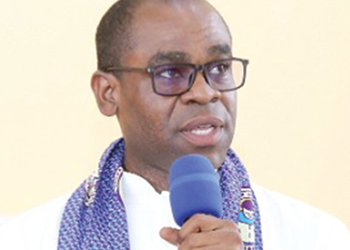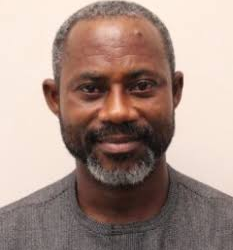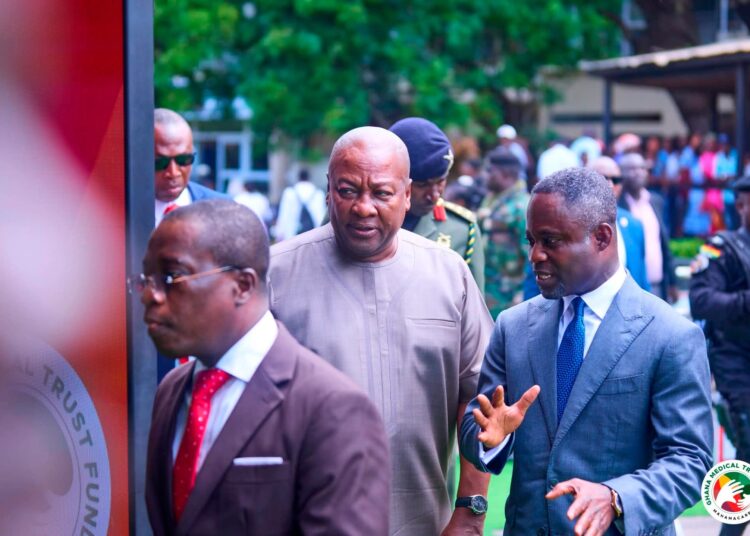
IMANI Centre for Policy and Education has proposed five reforms to protect Ghana’s health sector gains, from a vaccine security fund to mandatory electronic referrals. Research Associate Ransford Brobbey set them out in an analysis of the measures Health Minister Kwabena Mintah Akandoh outlined in a briefing on October 6, 2026.
Mr Brobbey argues that the reforms would shield spending from budget swings and keep care affordable. They also aim to find work for the unemployed health workers and put stalled hospitals to use.
“Establish a Statutory Health Emergency and Vaccine Security Fund.”
Ransford Brobbey, IMANI Research Associate
Ransford Brobbey’s first recommendation tackles the risk of budget squeezes. He wants a legislated fund carved from the uncapped National Health Insurance Levy and mineral royalties to protect vaccine procurement and first-24-hour trauma cover.

The fund, he explains, would insulate preventive public health from annual budget renegotiation. The proposal follows the rise in vaccine co-financing as Ghana prepares to pay for its own immunisation.
Trainee Allowances Into a Loan Trust
The second reform concerns training costs. Mr Brobbey proposes moving nursing trainee allowances into the National Student Loan Trust. Ransford Brobbey turns to what he calls a persistent paradox.
He writes that “Retaining non-means-tested nursing trainee allowances creates a persistent public expenditure paradox.” The allowances are politically entrenched, he notes, and defenders argue that they keep nursing education open to poorer students.
The difficulty lies in the trade-off. Spending scarce ministerial revenue on stipends that are not tuition, he argues, limits the fiscal space needed to employ qualified graduates who are already at home. Moving the allowances into a sustainable tertiary student loan scheme is an imperative, he stresses, though a politically delicate one.
He strongly argues that government should “Decouple health professional training from discretionary state allowances.” The savings, he argues, should go into expanding employment quotas for licensed health workers who are waiting for public posts.
The third proposal protects the insurance scheme. Mr Brobbey would set up an independent Technical Tariff Review Committee to adjust National Health Insurance Scheme reimbursements every six months against consumer inflation, medical import indices and currency shifts.
In his view, that would prevent illicit out-of-pocket co-payments from returning. Earlier coverage reported GH¢2.1bn in NHIS claims paid as active membership rose, and tariffs that fall behind prices could undo that progress.
Referrals Before Reimbursement
The fourth reform builds on primary care. Mr Brobbey recommends legislation requiring patients to get an electronic referral from an accredited free primary healthcare centre before they can claim insurance reimbursement for secondary care.

The rule would keep specialist facilities “reserving higher-tier facilities for true emergencies and complex pathology.” President Mahama has promoted free primary healthcare abroad, and the referral rule would give it a legal backbone.
The fifth proposal targets Agenda 111. Mr Brobbey wants standardised concession and management contracts, gazetted, so that the Christian Health Association of Ghana and other non-profit private providers can complete, equip and run stalled district hospitals.
They would operate under defined service-level agreements, backed by state-funded payroll cover. The approach follows the narrowing of the programme to 35 priority sites.
What the Reforms Have in Common
Each recommendation moves a discretionary decision into a statute or a formula. The vaccine fund removes annual bargaining, the tariff committee removes ad hoc fee setting, and the referral rule removes patient choice from the first step of care. Mr Brobbey’s logic is that guaranteed rules will hold when budgets tighten.

The proposals are IMANI’s, not government policy, and the report does not cost them. It does not say how much the vaccine fund would hold, how the loan trust would be financed, or how many hospitals the partnerships could finish. The government’s response will show which of the five reach Parliament.
READ ALSO: KiDi Announces ‘Crazy World’ Live Concert In Accra