Efforts by US President Donald Trump to broker an energy ceasefire between Russia and Ukraine have faltered, with Russian drone attacks on Ukrainian infrastructure and a reported Ukrainian strike on a Russian oil refinery showing the continued escalation of the war.
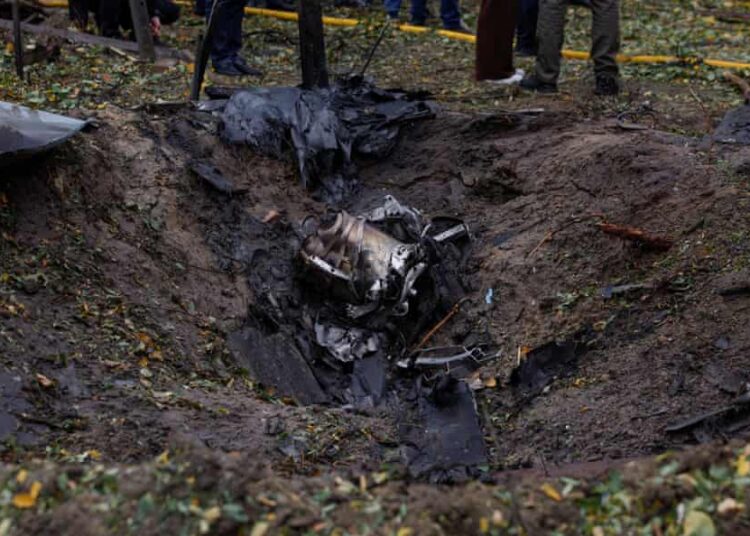
Ukraine said that Russian forces launched hundreds of drones against targets in the country overnight, killing three people and injuring six in the central Kirovohrad region. Meanwhile, Russian authorities accused Ukraine of attacking an oil refinery in Russia’s Ryazan region, where officials reported a fire following a drone strike.
The developments came after Trump announced an “energy ceasefire” last week. Neither Moscow nor Kyiv had publicly confirmed agreeing to the proposed arrangement.
The reported strike on the oil refinery came amid mounting disagreements between Kyiv and Washington over the direction of the war.
Trump has argued that Ukrainian attacks on Russian oil infrastructure contributed to a global increase in diesel prices and has pressed Zelenskyy to stop targeting the facilities.
The US President has also faced criticism over an agreement to import Russian diesel, which Ukraine says could undermine international efforts to sanction Moscow over its invasion.
Zelenskyy criticised the arrangement, arguing that it could provide Russia with additional resources to continue its military campaign.
The dispute has intensified over the past week, with Trump questioning Zelenskyy’s leadership and saying Ukraine should “get a new President.”
The disagreements have raised further questions about the future of US support for Ukraine as Russian attacks continue and diplomatic efforts to halt the fighting remain uncertain.
Ukraine Calls Russia’s Drone Attacks “Deliberate”
Ukrainian officials said that more than 360 Russian drones targeted the central Kirovohrad region, an area that has experienced fewer attacks than regions closer to the Russian border.
Regional Governor Andriy Raikovych said the strikes deliberately targeted critical infrastructure, transport businesses, logistics facilities and residential buildings. “The enemy deliberately hit critical infrastructure, transport enterprises, logistics facilities and residential homes,” Raikovych said in a statement.
Zelenskyy said that Russia had launched more than 850 Shahed drones against Ukraine, describing the attacks as evidence that Moscow was taking advantage of pressure on Ukraine’s defensive capabilities.
He also referred to restrictions affecting Ukraine’s access to Starlink and Starshield satellite communications services, which Ukrainian forces use for connectivity, including in military operations.
“It is obvious that Russia deliberately chose to escalate its attacks after receiving sanctions relief and seeing attempts to pressure Ukraine.
“Russia exploits every such opportunity and must be held accountable for what it does. Strong decisions are needed to end this war.”
Volodymyr Zelenskyy
The Ukrainian President called for continued international assistance, particularly to strengthen the country’s air defences against Russian missile and drone attacks.
“Ukraine needs steady support, above all in defending our skies. We need HONESTY from our partners about this war: It is important that everyone in America stand not with the aggressor, but with our efforts to protect lives, end this war, and guarantee security.”
Volodymyr Zelenskyy
The latest attacks followed earlier Russian strikes on Ukrainian civilian infrastructure, including power plants, using hypersonic and ballistic missiles. Ukrainian authorities said those attacks left cities, including Kyiv, without electricity and water for hours.
Kyiv had indicated that it would refrain from attacking Russian oil refineries temporarily to demonstrate its willingness to pursue negotiations. However, the reported strike in Ryazan suggests that attacks on energy infrastructure have continued despite Trump’s efforts to secure a pause.
Dispute Over US Support Deepens
The collapse of the proposed energy truce has coincided with a growing dispute between the Trump administration and the Ukrainian government over military assistance and the conditions under which Washington will continue supporting Kyiv.
The White House has increased pressure on Zelenskyy to make concessions to Russia, reportedly threatening to suspend some arms delivery programmes and halt the sharing of US battlefield intelligence with Ukraine.
Ukraine said that it had not received advance warnings from the United States about Russian missile attacks for several days this week, raising concerns about the impact of any reduction in intelligence cooperation.
Ukrainian soldiers also reported on Wednesday that their access to Starshield services controlled by the US military had been restricted, disrupting some drone operations on the front lines.
The disagreements have emerged as Kyiv seeks continued military assistance to defend against Russian attacks while Washington presses for a negotiated settlement.
Zelenskyy has argued that Russia’s continued strikes demonstrate that Moscow is not committed to de-escalation. He has called on the United States and other partners to maintain pressure on the Kremlin rather than reduce support for Ukraine.
Trump, meanwhile, has insisted that Ukraine must change its approach to Russian energy infrastructure and has publicly criticised Zelenskyy’s leadership.
The competing positions have made the prospects for an energy truce increasingly uncertain. While the proposed arrangement was intended to reduce attacks on energy facilities, the latest reported strikes indicate that the two sides have not established a mutually accepted framework for implementing such a pause.
With Russian drone attacks continuing and Ukraine maintaining its campaign against Russian targets, the dispute over energy infrastructure has become part of a wider confrontation over military strategy, economic pressure and the future of US involvement in the war.