The Ministry of Health (MoH) says Ghana is intensifying surveillance and screening, particularly at the airport, to prevent the importation of Ebola following an outbreak in the Democratic Republic of the Congo (DRC) and reports of cases in Kenya and Nigeria. Although Ghana has not recorded any case, the Ministry says it is strengthening measures to ensure early detection and effective management of any suspected infection.
The Ministry states that direct flights from Kenya and frequent travel from Nigeria raise the risk of importation, and that the Ghana Health Service and its partners are working to ensure early detection, prompt isolation and effective management of any suspected case.
“ Ghana has not reported any Ebola case, the Ministry of Health, through the Ghana Health Service and other agencies and partners, is strengthening national preparedness to prevent importation and ensure early detection, prompt isolation, and effective management of any suspected case.”
Ministry of Health (MoH)
According to the Ministry, Kenyan authorities reported an imported case of Ebola caused by the Bundibugyo virus from the DRC on 6 October 2026. By 17 October, they had reported six more cases, all linked to the first, including among healthcare workers.
The ministry explained on 20 October, Nigerian authorities confirmed a case of Ebola in the Federal Capital Territory. The Ministry notes that these developments followed the outbreak in the DRC, and that they have changed the risk picture for Ghana.
Why the Risk to Ghana Has Grown
The Ministry describes the situation in Kenya as a significant risk to Ghana. Direct flights link the two countries, and passenger volumes are higher than those from the DRC. The confirmed case in Nigeria adds to that risk because of the frequent travel between Ghana and Nigeria.
For that reason, the Ministry has strengthened its existing surveillance and screening measures, particularly at the airport. The aim is to stop the virus from entering the country, and to make sure any suspected case is identified early, isolated promptly and managed well.
Seven Measures Since the Outbreak Began
The Ministry disclosed that, since the outbreak started in the DRC, it has worked through the Ghana Health Service to build the country’s capacity to prevent, detect and respond to any potential case.
It first engaged stakeholders, among them the Ghana Airports Company Limited and the Ghana Civil Aviation Authority, to improve preparedness and coordination. It then strengthened surveillance at points of entry, including airport screening.
The Ministry also ran simulation exercises at the Accra International Airport and the Ghana Infectious Disease Centre. These tested and sharpened readiness to respond to suspected cases.
Health officials now follow up with travellers from high-risk areas throughout their stay in Ghana, in line with public health protocols. The Ministry has also strengthened laboratory preparedness and updated its Standard Operating Procedures.
Healthcare workers have been sensitised to improve awareness, preparedness and the management of suspected cases. At the airport, the Ministry has begun public education and risk communication, so that travellers know how to prevent Ebola and what to do if symptoms appear.
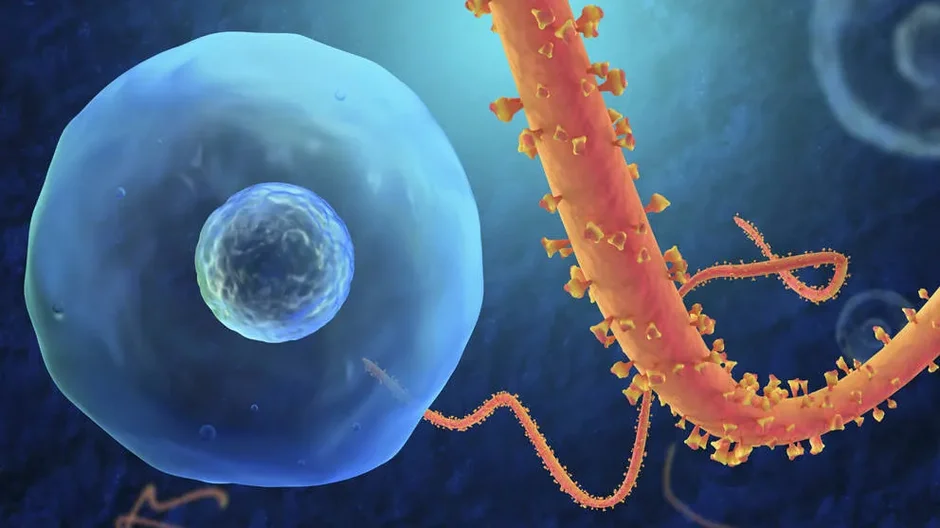
The Ministry explained that Ebola symptoms typically begin 2 to 21 days after exposure, with an average of 8 to 10 days. They include high-grade fever, severe headache, extreme fatigue, sore throat and chills. Later signs include unexplained bleeding and confusion.
“Ebola spreads through direct contact with the blood or body fluids of an infected person, or with contaminated materials. It is not airborne.”
Ministry of Health (MoH)
Guidance for the Public
The Ministry urged anyone who falls ill with these symptoms after travelling to an affected area, or after contact with a suspected or confirmed case, to seek prompt medical care. It asked such persons to disclose their travel history to health workers.
Travellers from affected areas will have their health monitored for 21 days, according to the Ministry. It also advised the public to practise good hand hygiene and to avoid contact with anyone showing unexplained fever, vomiting, diarrhoea or bleeding.

The Ministry cautioned against spreading unverified information and asked people to follow official updates from health authorities only.
The Ministry reassured the public that, with its agencies and partners, it is implementing the necessary measures to protect public health. It encouraged Ghanaians to “remain calm, stay informed through official communication channels, and cooperate with public health authorities” as the country continues to strengthen its preparedness and response
READ MORE: YEA Urges Government to Tackle Funding, Procurement Challenges