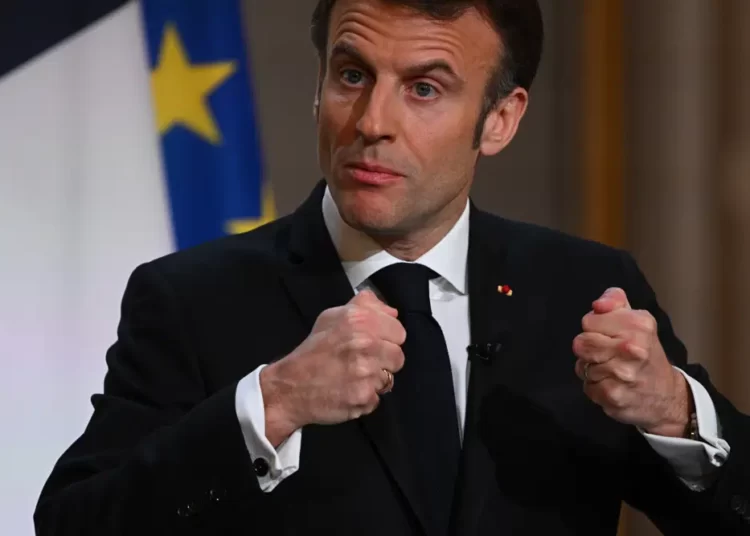
French President Emmanuel Macron has vowed a tougher response to rioting across the country, backing harsh punishments for those involved in the violence as authorities impose restrictions on demonstrations expected this weekend.
Speaking after an emergency security council meeting on Thursday, Macron acknowledged shortcomings in the government’s response to last weekend’s unrest, saying authorities had been caught by an element of surprise and needed to learn from the experience before further protests.
He said that local authorities had been empowered to introduce measures, including bans on gatherings, while the judicial system was “fully mobilised” to respond to incidents of violence.
Macron also endorsed the Justice Ministry’s call for severe punishments for those involved in the riots, signalling the government’s determination to restore order ahead of nationwide demonstrations scheduled for Saturday, October 24.
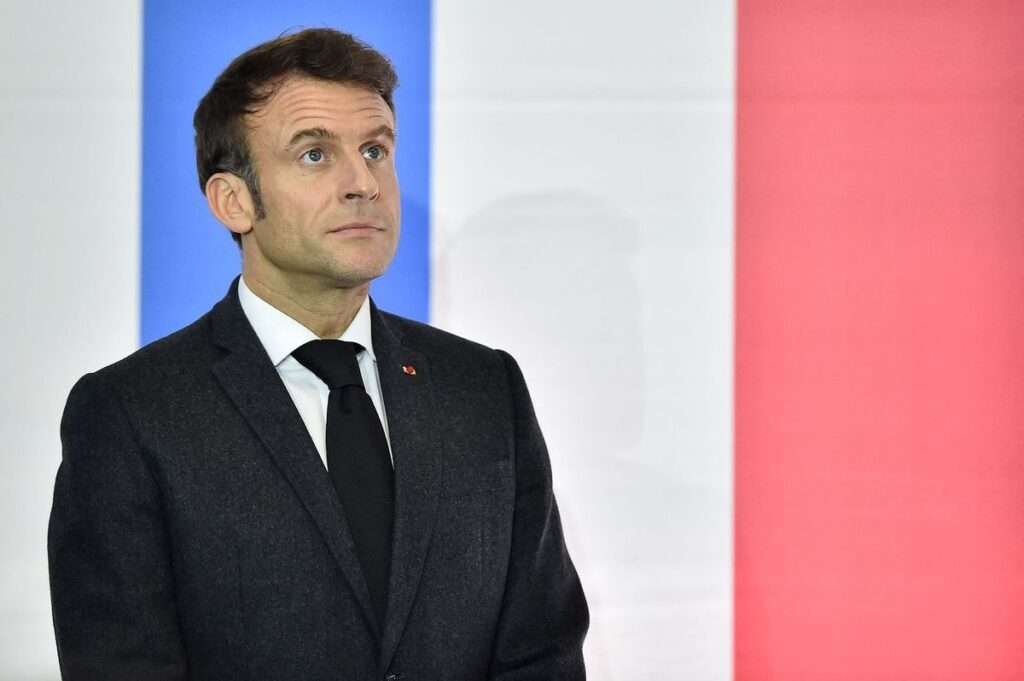
“We witness both political and even seditious acts carried out by organised ultra-left groups aiming to bring down the Republic – acts that these groups themselves openly claim, characterised by extreme, intense violence.”
Emmanuel Macron
He declared that the government would demonstrate “absolute” determination to stop the riots, adopting a “multi-pronged” approach to the unrest.
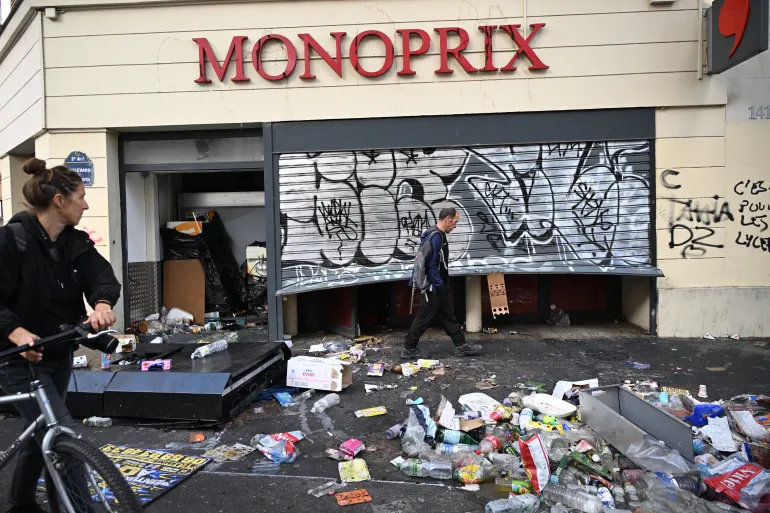
The measures come as French authorities face pressure to prevent a repeat of last weekend’s clashes, looting and property destruction that affected several cities, including Paris and Lyon.
Macron Backs Restrictions On Demonstrations
Macron outlined a distinction between demonstrations organised by trade unions and other planned protests, indicating that the government would take a restrictive approach to gatherings not organised by recognised labour groups.
He said that legitimate trade union demonstrations would be assessed in accordance with French law and permitted to proceed safely, potentially with changes to their routes or additional conditions imposed by authorities. However, he said other protests would, “wherever possible”, be “prohibited entirely.”
The announcement signals the possibility of extensive restrictions on public demonstrations as authorities seek to prevent further violence.
Macron said that local officials had the authority to implement measures suited to conditions in their areas, including prohibiting gatherings where deemed necessary.
He also backed the pursuit of harsh judicial penalties for those involved in the riots, reinforcing the government’s emphasis on law enforcement and accountability.
Alongside the security measures, Macron indicated that the government would engage with groups raising grievances over the issues behind the demonstrations.
Prime Minister Sébastien Lecornu is expected to meet student organisations next week to discuss what Macron described as “legitimate requests and grievances.”
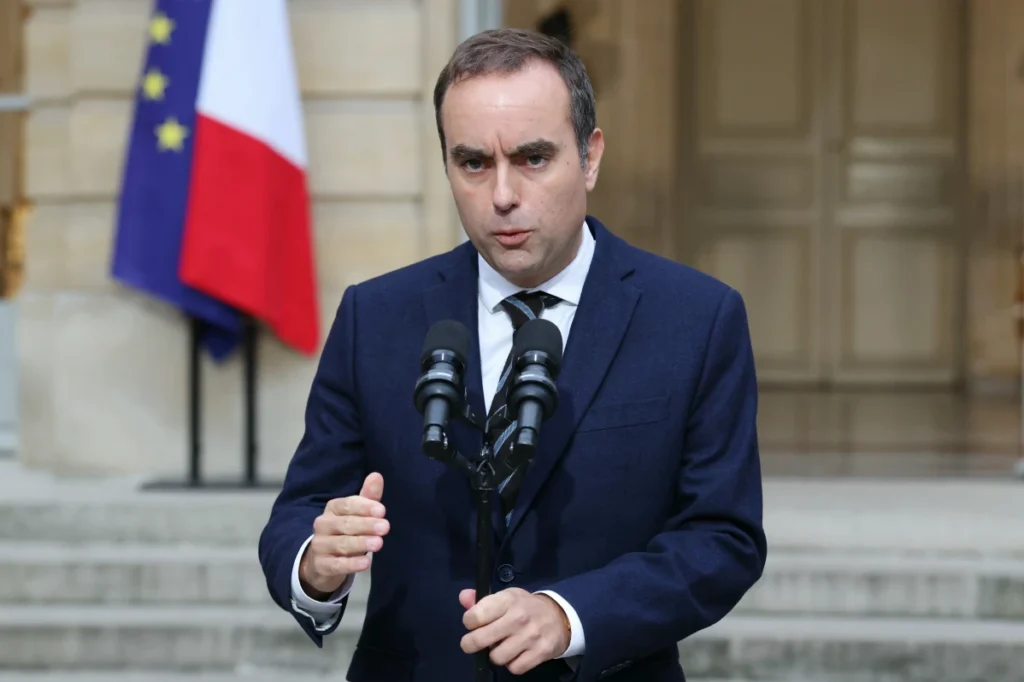
The French President said that he would hold further meetings with relevant authorities on Friday as preparations continued for the weekend’s demonstrations.
The government faces the challenge of maintaining public order while determining how to accommodate lawful protests and address the concerns driving public discontent.
Lyon Bans All Protests Ahead Of Saturday Rallies
Meanwhile, authorities in Lyon, France’s third-largest city, have banned all protests scheduled for Saturday, citing the violence that accompanied demonstrations on October 17.
The prefecture of the Rhône region announced the decision in a statement on Thursday, saying, “Given the events of 17 October, the prefect has decided to ban by decree all protests in the city of Lyon this Saturday, 24 October.”
The move follows unrest in Lyon and other French cities, where masked youths clashed with police and looted businesses during demonstrations against high inflation.
Lyon Mayor Grégory Doucet described the previous weekend’s events in the city as hours of “chaos.”
According to Doucet, between 150 and 200 shops were looted, while a tourist office was set on fire. Police arrested approximately 200 people.
The scale of the damage has intensified concerns about the potential for further violence as demonstrators prepare to return to the streets.
Lyon’s blanket prohibition on protests represents one of the clearest local restrictions announced ahead of Saturday’s planned rallies, while Macron’s comments indicate that similar measures could be introduced elsewhere where authorities consider them necessary.
The restrictions also raise questions about how the government will balance its security objectives with the ability of citizens and organised groups to exercise their right to demonstrate.
Government Faces Pressure To Restore Order
The developments come as France grapples with the aftermath of last weekend’s violence and mounting concerns about the security implications of further demonstrations.
Macron’s admission that authorities were caught by surprise highlights the challenges facing security agencies as they prepare for another weekend of protests.
His pledge of “absolute” determination, combined with support for tougher penalties and restrictions on gatherings, signals a more forceful approach to containing the unrest.
At the same time, the planned meeting between Lecornu and student organisations suggests that the government intends to engage with some of the grievances associated with the protests.
For now, authorities are preparing for Saturday’s demonstrations with expanded powers to restrict gatherings and a stated commitment to preventing a recurrence of the violence.
Whether the measures will prevent further clashes remains to be seen as France approaches another potentially tense weekend.
READ ALSO: North Korea To Resume Propaganda Broadcasts Against Seoul