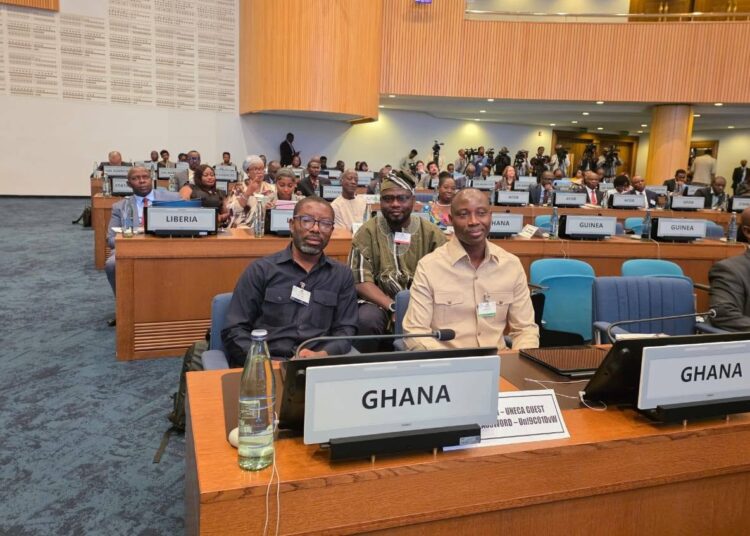
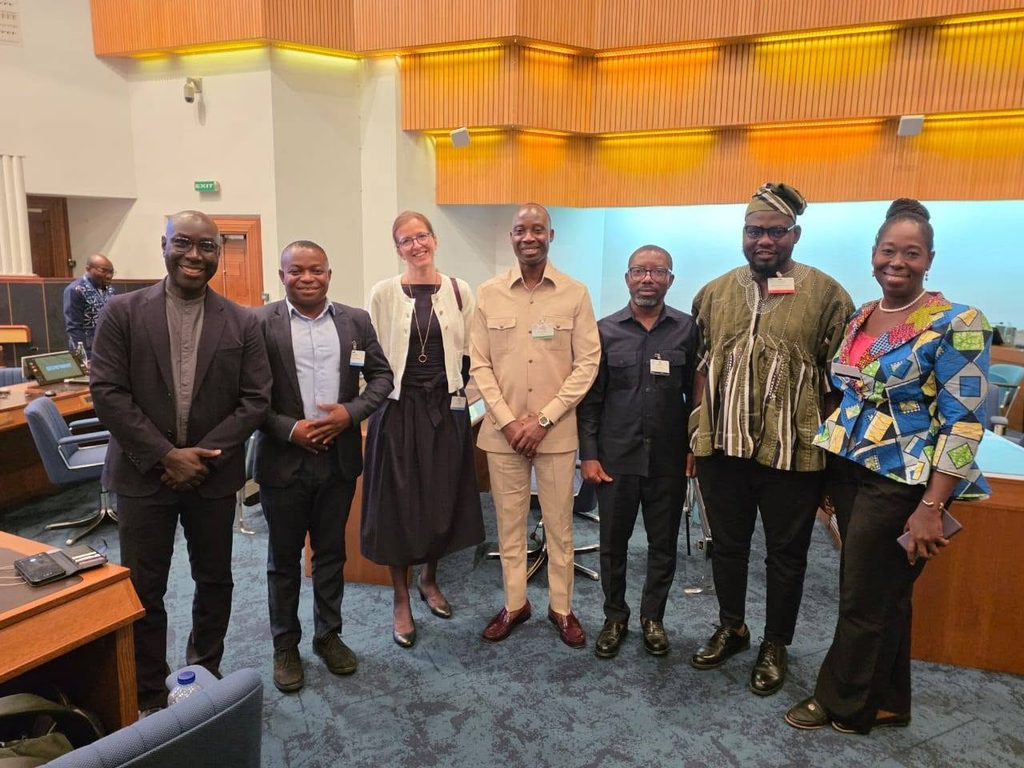
Government Statistician Dr Alhassan Iddrisu has urged Africa to make its official statistics a true mirror of the continent, warning that headline figures can hide hard lives. He made the call in a written reflection on the opening of the 10th Statistical Commission for Africa (STATCOM 10) this week.
Dr Iddrisu explained that figures such as Africa’s 6.3 percent unemployment rate conceal informal work, and that national averages conceal struggling districts. He therefore wants data broken down to the community level and tied to maps, and he committed the Ghana Statistical Service (GSS) to five steps, including early preparation for the 2031 census.
“A blurred mirror shows you the wrong face. A cracked one leaves people out.”
Government Statistician Dr Alhassan Iddrisu
The opening posed one question: what does Africa see when it looks in the mirror? Africa’s statisticians met side by side with the continent’s mapmakers in the UN geospatial committee, which put numbers and maps in one room. The theme held that official statistics must reflect the continent truthfully.
A Low Unemployment Rate Can Hide a Hard Life
Dr Iddrisu pointed to Africa’s unemployment rate in 2025, reported at 6.3 percent. The figure sounds comfortable until one looks closer, he argued. A large share of working people earn their living informally, with no contract and no safety net, and he stressed that “having a job is not the same as having a good job.”
He wants statisticians to measure underemployment, working poverty and job quality alongside the headline rate. GSS already produces most of these measures, he disclosed.
A healthy national figure can cover a district in trouble, Iddrisu warned. That is why he calls for data at the district and community level, so that help reaches the places that need it most.
Headcounts help, he explained, but a map that shows where people live and how far they must travel to a clinic or a school shows leaders far more. When statistics meet maps, decision makers can see clearly.
Foundations and Clear Rules for New Tools
The census, birth and death registration, national ID, business registers and maps must talk to one another, Iddrisu stressed. Without them, AI and satellites have “nothing solid to stand on.”
New tools can make statistics faster and richer, he conceded, but they must protect privacy, quality and independence. “Speed without trust is worth nothing.” Rwanda’s Finance Minister made the case plainly, and Iddrisu took the lesson that “good data is cheap” while “bad decisions are expensive.”
The African Development Bank added a reminder that statistics should not only describe Africa’s problems but also help solve them. Iddrisu named impact as the real test of any statistical system.
Ghana has acted on part of this agenda, Dr Iddrisu noted. District poverty data revealed a tenfold gap that the national average had hidden. Memoranda of understanding with 26 institutions are opening up data held across government. The opening of STATCOM 10 nonetheless reminded him that “we must go further, and we must go faster.”
What GSS Will Do Next
Dr Iddrisu set out five commitments. GSS will turn data sharing agreements into data that flows every day under clear quality rules. It will link its statistics with maps so that every district can see who is being served and who is missed.
The service will start early on the next census in 2031, with clear roles, a full budget and strong links to registration and ID systems. It will release data in time for planning and budget decisions. It will also share Ghana’s lessons with its African peers and learn from theirs.
Dr Iddrisu closed with a plain test. A mirror helps only if it shows every face and if someone looks into it. Africa promised this week to polish its mirror, he noted, and Ghana intends to do its part.
Ultimately, Dr Iddrisu’s call is for Africa to measure progress by more than headline figures. For Ghana, the test will be whether reliable, timely and locally detailed data shapes better policies, directs resources to underserved communities and improves lives.
As Ghana Statistical Service prepares for the 2031 census, the priority is clear: ensure no community is overlooked and no one is left out of the numbers.
READ ALSO: British Government Unveils £800m Business Savings Plan