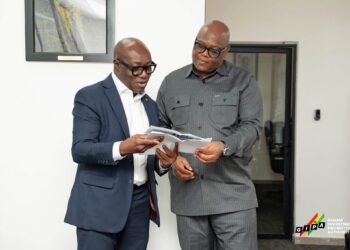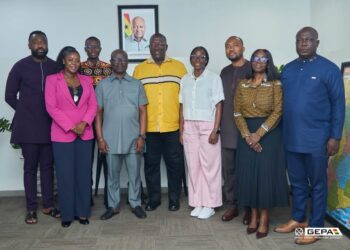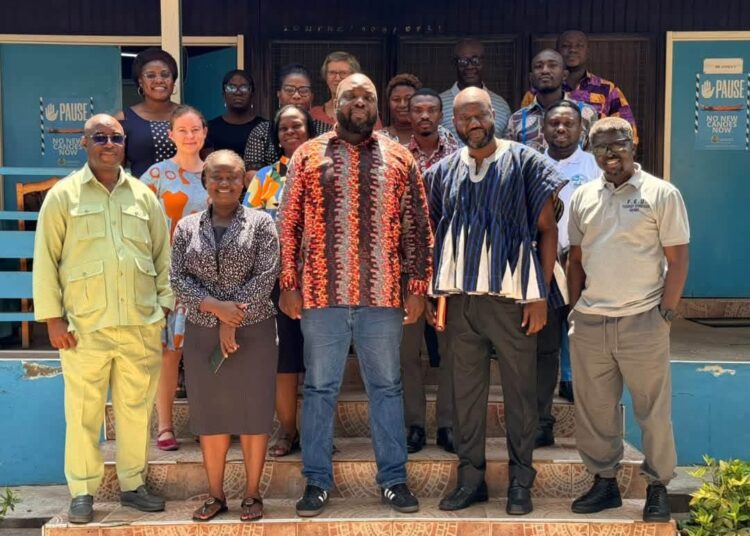
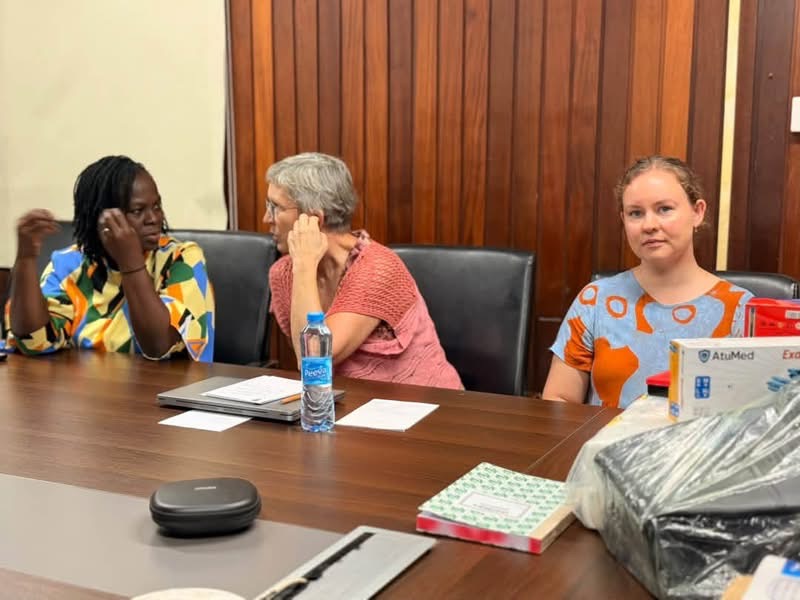
The Fisheries Commission and Global Fisheries and Resilience Action (GFRA) are strengthening collaboration on sustainable fisheries management following a meeting to review planned activities for 2027 and support improvements in fisheries data collection.
The engagement provided a platform for GFRA to present its proposed work plan for the coming year and discuss planned initiatives with the Commission.
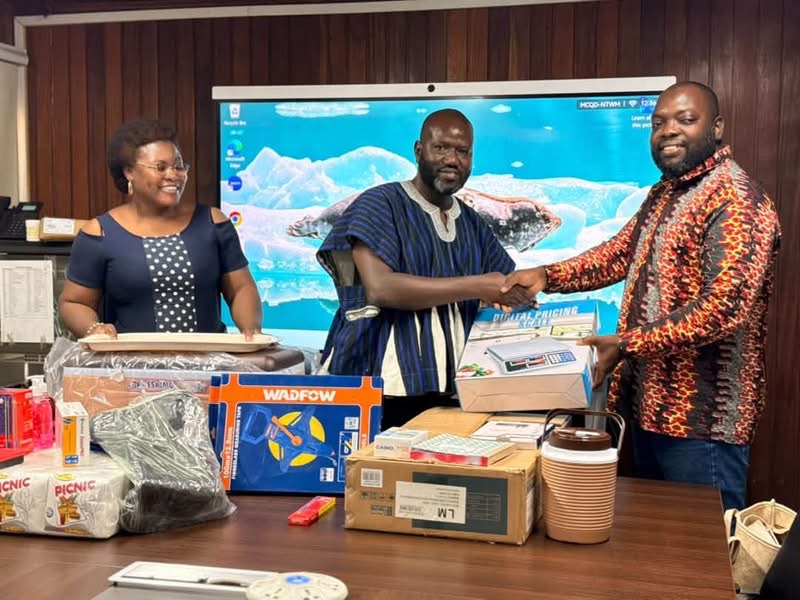
The meeting also featured the presentation of tools and equipment intended to support fisheries data collection, an important component of resource monitoring, scientific assessment and evidence based and decision making.
The discussions come as Ghana continues to address challenges associated with fisheries sustainability, domestic fish supply, resource monitoring and regulatory enforcement.
Also strengthening institutional coordination and improving access to reliable fisheries information are important for assessing production trends and guiding interventions across the sector.
Data Collection Central to Fisheries Management
The presentation of tools and equipment by GFRA highlights the importance of strengthening the technical capacity required to collect, analyse and use fisheries information.
A reliable data can help authorities assess production trends, monitor fishing activities, evaluate management interventions and identify emerging pressures on aquatic resources.
Ghana’s fisheries production figures demonstrate why monitoring different subsectors is important. According to the NDPC’s 2024 Annual Progress Report, marine fish production increased from 425,361 metric tonnes in 2023 to 442,361 metric tonnes in 2024.
Aquaculture production also rose from 116,108 metric tonnes to 121,809 metric tonnes during the period.
In contrast, inland fisheries production declined from 147,583 metric tonnes in 2023 to 131,552 metric tonnes in 2024. These differences highlight the need for consistent monitoring across marine fisheries, inland waters and aquaculture to support a clearer understanding of sector performance.
“Inland fisheries production declined from 147,583 metric tonnes in 2023 to 131,552 metric tonnes in 2024, while marine fish production increased from 425,361 metric tonnes to 442,361 metric tonnes.”
Fisheries Commission of Ghana
The meeting announcement did not specify the quantity, monetary value or technical specifications of the equipment presented by GFRA. Details on its intended application, deployment and beneficiaries would help establish the scale of the intervention and its expected contribution to the Commission’s operational capacity.
Collaboration Supports Fisheries Governance
The Fisheries and Aquaculture Act, 2025 (Act 1146), provides the legal framework for managing fisheries resources and supporting more coordinated decision-making.
An effective implementation requires collaboration among regulatory institutions, scientific experts, fishing communities and other stakeholders.
On September 15, 2026, the Fisheries Commission’s Governing Board inaugurated two national-level fisheries co-management committees with support from GFRA under the Inshore Exclusion Zone Enforcement and Transparency Project.
The committees are the Scientific and Technical Committee and the Fisheries Management Operational Committee.
According to a GFRA press release issued in Accra on September 15, the committees are intended to strengthen scientific input, stakeholder participation and coordination in fisheries management.
The Scientific and Technical Committee provides scientific and technical advice, while the Fisheries Management Operational Committee is responsible for translating that advice into coordinated operational action.
“We are depending on you to proof test all the scientific … and technical work that will come to your committee.”
Global Fisheries and Resilience Action (GFRA)
The establishment of these committees illustrates the role of institutional cooperation in connecting scientific evidence with fisheries management decisions.
The October 22 meeting with GFRA provides another opportunity to align technical support with the Commission’s responsibilities and priorities.
2027 Work Plan and Expected Priorities
GFRA’s presentation of its 2027 work plan provides an opportunity for both institutions to identify areas where their activities can complement existing fisheries management programmes.
A clearly defined work plan can establish priorities, clarify institutional responsibilities, determine implementation timelines and identify the resources required to deliver planned activities. It can also provide a framework for tracking progress and evaluating whether interventions are producing measurable benefits.
Although the meeting announcement did not provide a detailed breakdown of GFRA’s proposed activities for 2027, it confirmed that the organisation presented its plans and engaged the Commission on planned initiatives.
The specific activities, budgets, implementation arrangements and performance indicators will be important in assessing the programme’s scope.
International research further highlights the importance of sustainable fisheries management.
The Food and Agriculture Organization of the United Nations (FAO), in its State of World Fisheries and Aquaculture 2026 report released on June 16, 2026, reported that global fisheries and aquaculture production reached a record 235 million tonnes in 2024, including 195 million tonnes of aquatic animals.
The report highlighted the growing contribution of aquaculture to global aquatic food production, alongside continuing challenges involving sustainability, climate change and the management of marine and inland ecosystems.
“Global fisheries and aquaculture production reached a record 235 million tonnes in 2024, of which 195 million tonnes comprised aquatic animals.”
Food and Agricultural Organisation
The equipment presented by GFRA could support the Commission’s work by improving the collection and organisation of fisheries information.
Its impact, however, will depend on appropriate deployment, staff capacity, consistent data collection procedures and the effective use of findings in management decisions.
Regular information sharing between the two institutions could also improve coordination and help ensure that technical assistance responds to identified needs. Establishing measurable targets for the 2027 work plan would make it easier to evaluate progress and identify areas requiring further support.
The October meeting establishes a platform for continued engagement between the Fisheries Commission and GFRA. The long-term value of the partnership will depend on how effectively the proposed initiatives are implemented and translated into improvements in fisheries monitoring and governance.
READ ALSO:IMF Opens Ghana Review as 2027 Budget Faces Critical Scrutiny